How Mercedes' Tomorrow XX brings circular, low-carbon parts to production
 © mercedes-benz.com
Inside Mercedes-Benz's Tomorrow XX: a push to decarbonize parts with recycled materials, urban mining, and circular design—bringing it into production.
Author: Diana Degtyareva
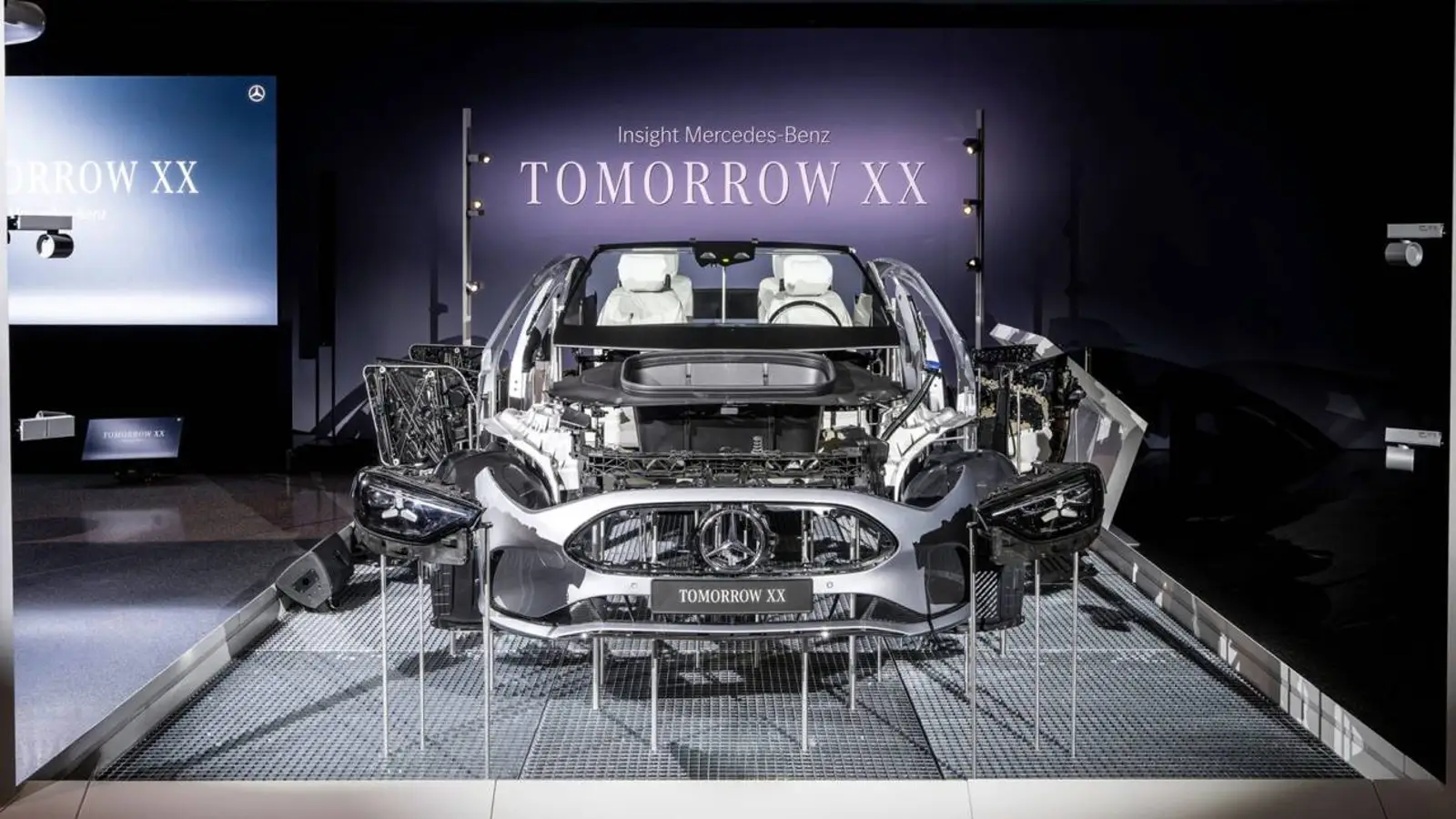
Mercedes-Benz has unveiled the Tomorrow XX program, a technology initiative designed to carry ideas from the Vision EQXX and the AMG GT XX concept out of the show stand and into production models. The mission sounds straightforward yet is anything but trivial in execution: decarbonize materials and components across the lineup, from compact cars to halo models. The message is clear—less manifesto, more manufacturing discipline.
After two years of work with suppliers, research institutes, and startups, the company has identified more than 40 sustainable concepts. One standout is a headlamp assembled with screws instead of adhesive. That change eases repair and recycling, nearly doubles the share of secondary materials, and noticeably trims the carbon footprint. Another example is a door pocket made from a PET mono-sandwich: it is more than 40% lighter and relies on recycled feedstock. These are small parts, but they set the tone for how innovation can trickle through a cabin one component at a time.
Brake pads that incorporate around 40% waste from old pads could, in theory, cut CO2 emissions by up to 85%. In parallel, Mercedes is testing a bodyside panel made from aluminum with up to 86% post-consumer scrap. The new CLA has already received a washer-fluid reservoir made from 100% recycled polypropylene and aluminum produced in part with renewable energy. It’s incremental work, yet it nudges the production toolkit in a cleaner direction without losing sight of everyday usability.
An important element of the strategy is urban mining: a pilot with TSR Group to recover valuable materials from end-of-life vehicles, along with testing of a battery recycling plant in Kuppenheim, is intended to close the resource loop. The approach reads as pragmatic—building circularity into the system rather than treating it as an afterthought.
This English edition was prepared using AI translation under editorial oversight by SpeedMe. The original reporting is by Diana Degtyareva
Latest Stories