Tesla battery reliability: LG vs Panasonic in Model 3 and Y
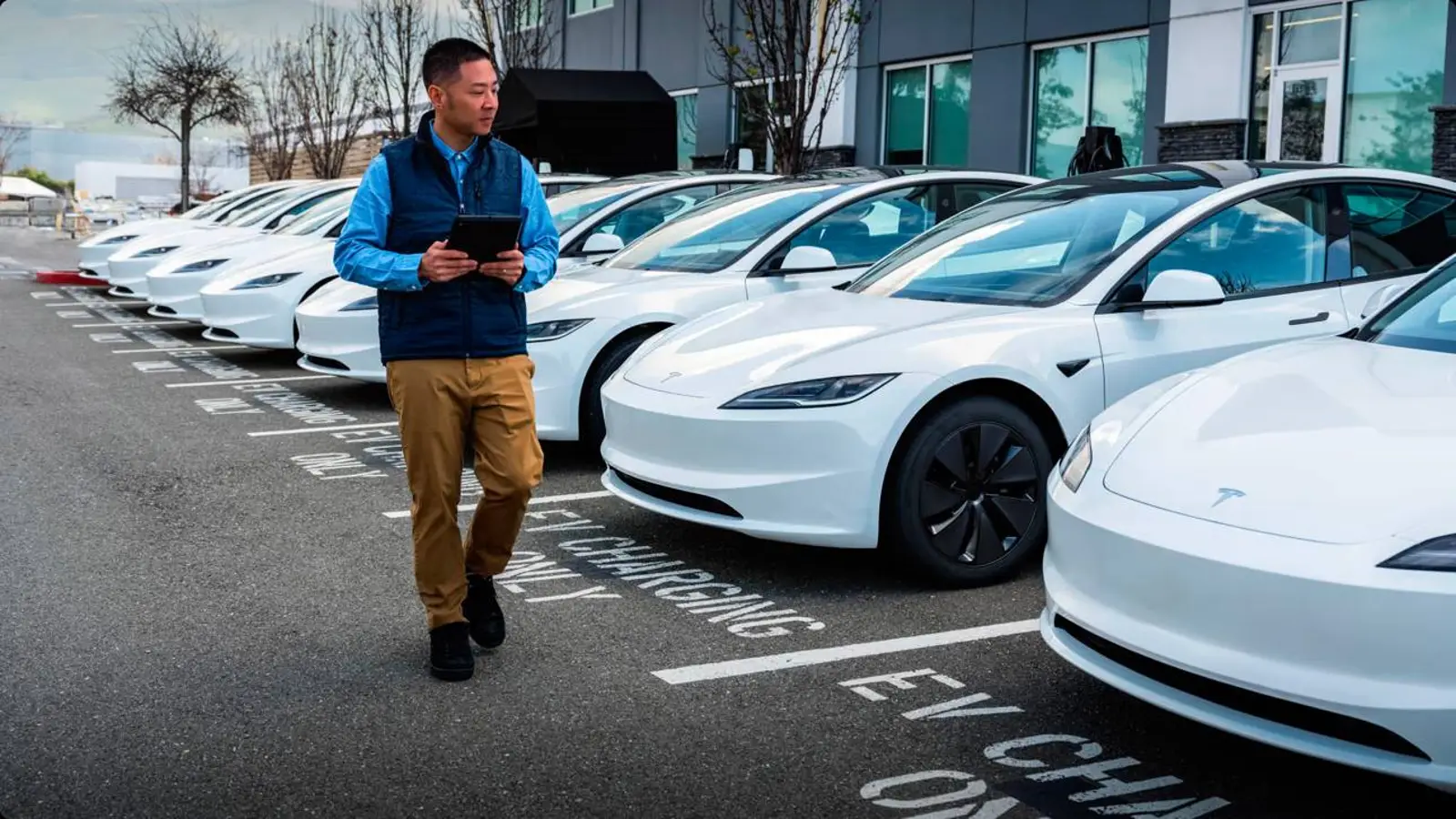 © tesla.com
EV Clinic reports higher failure rates in LG NMC packs than Panasonic for Tesla Model 3 and Y in Europe. See service life, repairability, ownership impact.
Author: Yulia Ivanchik
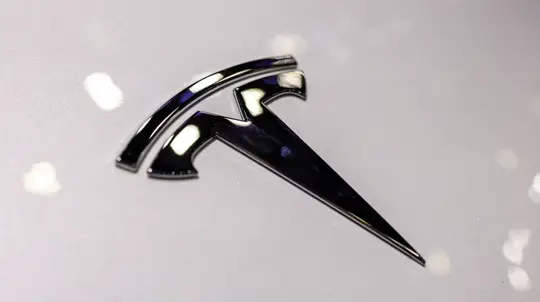
The debate over Tesla’s electric-car battery reliability has gained fresh momentum after statements from the Croatian workshop EV Clinic, which specializes in repairing electric drivelines. According to the shop, LG Energy Solution packs built in Nanjing, China, show higher failure rates than Panasonic units. The discussion centers on nickel–manganese–cobalt batteries used in the Long Range and Performance versions of the Model 3 and Model Y for the European market.
Technicians note that LG packs frequently display elevated internal resistance, a sign of accelerated wear. In most cases, damage affects several modules at once, making cell-level fixes unfeasible. By contrast, in Panasonic batteries the issue more often traces back to a single cell, which makes restoring the pack possible. In everyday terms, that difference can decide whether a car gets a straightforward repair or faces a full pack swap.
EV Clinic estimates the service life of LG batteries often levels off around 240,000 km, while Panasonic packs can reach about 400,000 km. When a battery fails out of warranty, owners typically end up replacing the entire unit, which brings substantial costs. Against this backdrop, the workshop underscores the value of real-world operating data—especially when weighing the most economical models and their long-term dependability. Tesla has not commented on these findings, and the takeaway is simple: durability and repairability can shape ownership just as much as efficiency figures.
This English edition was prepared using AI translation under editorial oversight by SpeedMe. The original reporting is by Yulia Ivanchik
Latest Stories