Inside Volkswagen’s Gen.Urban: real-world autonomous ride tests in Wolfsburg
 © A. Krivonosov
Volkswagen’s Gen.Urban prototype hits Wolfsburg streets to test driverless rides, passenger comfort and trust, with a safety driver on a 10 km urban route.
Author: Diana Degtyareva
Volkswagen has moved its Gen.Urban research project into a real-world city mode: the prototype is already rolling through Wolfsburg’s streets in everyday traffic. This isn’t a showroom stunt but a bid to learn the essentials—how passengers experience a ride in a car without a steering wheel or pedals, and what it takes for that level of autonomy to inspire trust rather than anxiety.
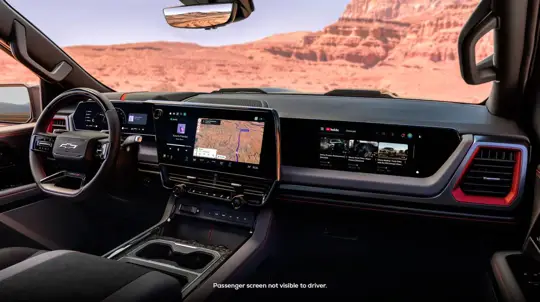
Inside Gen.Urban, riders can preconfigure their trip via an app or directly in the vehicle: lighting, climate, seat position. Test participants take the driver’s chair even though there’s nothing to operate; that seating choice neatly tests expectations and comfort. A safety driver sits alongside and can step in when needed through a separate control panel with a joystick—a setup familiar from other autonomous-driving programs, including pilot robotaxi operations.

Data collection rests with a multidisciplinary team—designers, human-factors specialists, software engineers, and materials experts. They’re studying more than algorithms: which cues matter, how the interface should look, and what helps people relax yet still feel in control, even when they’re, in effect, passengers. That human layer will decide whether autonomy feels natural or unnerving.
The test route is contained and intentionally designed as an “urban exam”: roughly 10 kilometers and about 20 minutes, with traffic lights, roundabouts, roadworks, and a mix of residential and industrial districts. In the first weeks, only Volkswagen Group employees are taking part—sensible for shaking out the basics before widening the pool.
This English edition was prepared using AI translation under editorial oversight by SpeedMe. The original reporting is by Diana Degtyareva
Latest Stories