Audi leads tougher IIHS crash tests as Mercedes-Benz E-Class falls short
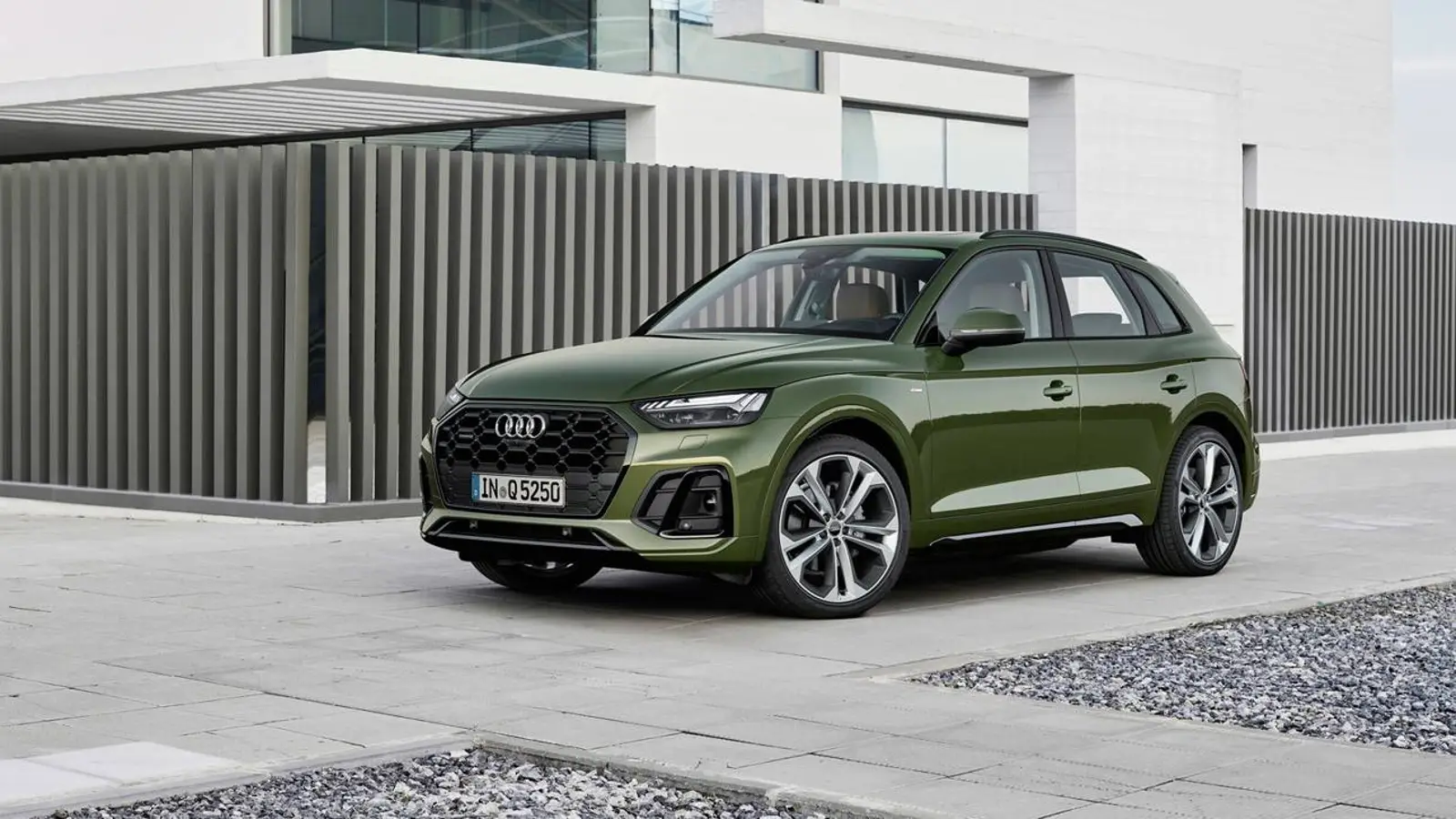 © audi-mediacenter.com
IIHS crash tests crown Audi Q5, Q5 Sportback and A6 Sportback e-tron with Top Safety Pick+, as Mercedes-Benz E-Class misses out amid rear-seat safety concerns.
Author: Yulia Ivanchik
The U.S. Insurance Institute for Highway Safety (IIHS) has published new crash-test results conducted under tougher protocols. Audi came out ahead among premium brands, while the Mercedes-Benz E-Class missed out on any top accolades.
Top Safety Pick+ went to three Audi models: the Q5, Q5 Sportback and A6 Sportback e-tron. That brings Audi’s tally to seven vehicles with this award—more than any other luxury manufacturer. All three posted Good ratings in the key evaluations, including small- and moderate-overlap frontal impacts as well as the updated side crash. They also met the requirements for headlight performance and pedestrian crash-prevention systems. The consistency across such different body styles suggests the brand has tuned its safety package to the stricter IIHS playbook.
IIHS also placed particular emphasis on a new test of rear-occupant protection in a 64 km/h frontal collision. In this assessment, Audi again earned high marks, confirming the effectiveness of its seatbelts and restraint systems—an area that increasingly separates leaders from the field.
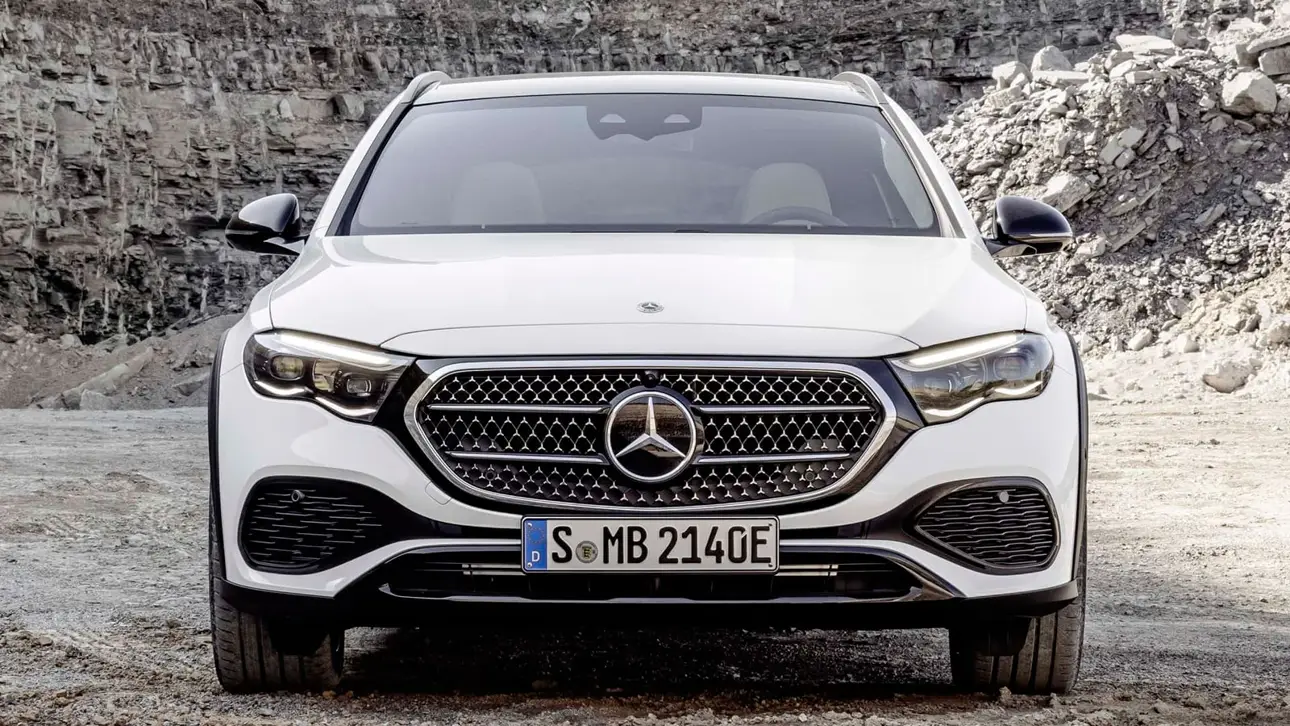
Mercedes-Benz E-Class, by contrast, did not pass the updated moderate-overlap test. Although the body structure was deemed strong, experts recorded the rear passenger’s belt shifting into the abdominal area, raising the risk of injury. As a result, the model received neither Top Safety Pick+ nor Top Safety Pick. It underlines how even a robust shell can be undermined if restraint performance falls short.
IIHS notes that safety requirements will continue to tighten. From 2026, additional checks of electronic driver-assistance systems are planned, which will become an important factor in rating 2026 models.
This English edition was prepared using AI translation under editorial oversight by SpeedMe. The original reporting is by Yulia Ivanchik
Latest Stories