Mitsubishi Eclipse Cross EV for Europe: a Renault-built BEV on CMF-EV
 © A. Krivonosov
Europe's Eclipse Cross EV isn't the PHEV—it's a Renault-built BEV on CMF-EV: 87 kWh battery, 600 km WLTP, 160 kW, 22 kW AC/150 kW DC; smaller pack due 2026.
Author: Nikita Novikov
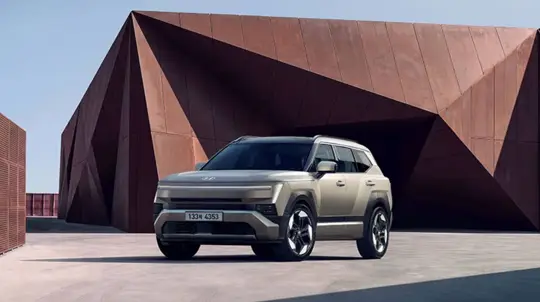
The Eclipse Cross EV headline can be misleading: it might sound as if Mitsubishi has turned its familiar crossover into a full battery-electric. In Europe, though, that name covers an entirely different model. The European Eclipse Cross is an EV developed within the Renault–Nissan–Mitsubishi alliance and supplied to Mitsubishi as an OEM model by Renault. In other words, it is not an electric version of the Japanese Eclipse Cross PHEV but a separate model for another market that happens to reuse the badge.
The logic becomes clear when you look at Mitsubishi’s 2023–2025 roadmap, which stresses electrification through cooperation with partners, especially in regions where emissions rules and competitive pressure demand faster progress. Europe fits that brief, so that is where Mitsubishi is rolling out a BEV project built on the alliance’s technology base. It is a pragmatic way to gain speed without reinventing the hardware.
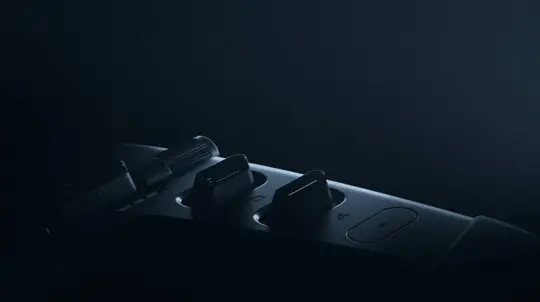
Technically, the European Eclipse Cross EV sits on the CMF-EV platform, carries an 87 kWh battery, and claims around 600 km of WLTP range. The electric motor is rated at 160 kW and 300 Nm, while the regenerative braking offers four levels controlled by steering paddles. Charging options include up to 22 kW on AC and up to 150 kW on DC fast charging. It is also mentioned that a version with a smaller battery may arrive in 2026. On paper, the specification looks well-judged for European expectations, and the multi-step regen is a welcome touch for fine-tuning deceleration.
For Japan and other markets, this does not automatically signal the arrival of the same car. On the contrary, the model is positioned as a strictly European story, and the likelihood of a direct carryover to the home market currently appears low.
This English edition was prepared using AI translation under editorial oversight by SpeedMe. The original reporting is by Nikita Novikov
Latest Stories