BMW iX3 Neue Klasse EU preorders surge, 2026 run filled
BMW iX3 launches Neue Klasse: EU preorders soar, Debrecen ramps up
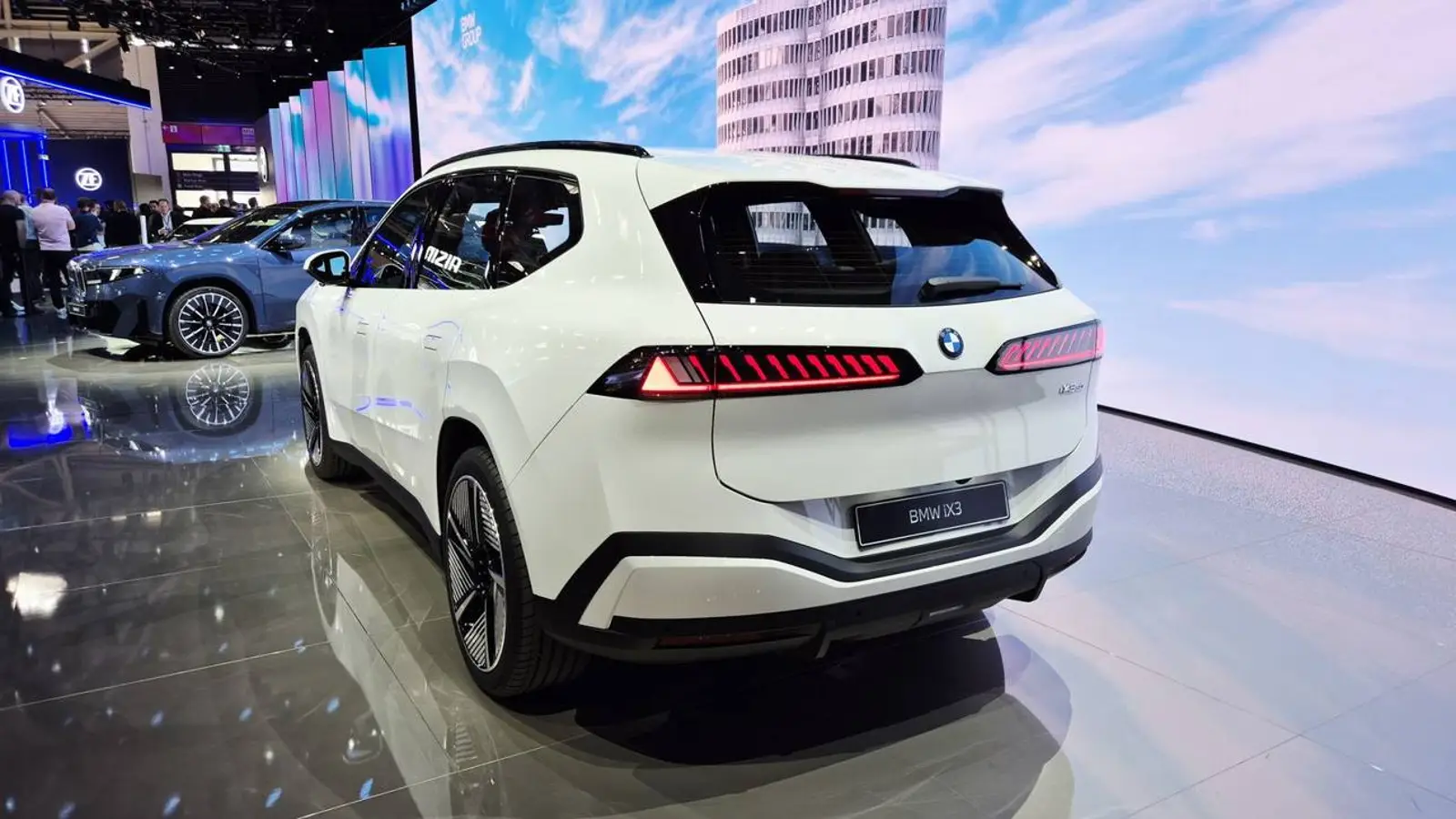
BMW iX3 Neue Klasse EU preorders surge, 2026 run filled
BMW iX3, first Neue Klasse model, sees EU preorders covering most of 2026 output. Debrecen plant begins digital-first production with circular materials.
2025-12-19T18:39:40+03:00
The BMW iX3, the first production model of the new-generation Neue Klasse, is off to an unexpectedly strong start. According to BMW Italia head Massimiliano Di Silvestre, European preorders have far exceeded expectations and essentially cover almost the entire European production program for 2026. For BMW, that is a telling signal: the market is responding not only to the new electric crossover but also to the very idea of the Neue Klasse as the backbone for the brand’s future models.iX3 production is assigned to BMW’s new plant in Debrecen, Hungary. The facility has reached a key stage of preparation: assembly of the first test vehicles has begun, and the line was designed with a strong emphasis on virtual planning and digital simulations. BMW describes the site as one of the first intended to inaugurate the Neue Klasse industrial architecture, with logistics and assembly validated in a digital environment ahead of time. The setup reads like a blueprint for how the company intends to build cars this decade.Philosophically, the iX3 is framed not as just another EV but as a carrier of new standards in efficiency, digital interfaces, and sustainability. The practical side of that green agenda is clear: roughly one-third of the structure uses secondary materials, while circularity principles and lower supply-chain impact are embedded from the development stage.BMW also stresses a technology-neutral stance. The company is not betting on a single path, developing efficient internal-combustion engines, plug-in hybrids, and electric vehicles in parallel, and from 2028 plans to expand toward hydrogen solutions. That breadth of strategy has the kind of pragmatism that tends to reassure buyers while the industry navigates its transition.
BMW iX3, Neue Klasse, EU preorders, Debrecen plant, 2026 production, electric crossover, EV, sustainability, circular materials, digital manufacturing, technology-neutral strategy, European market
2025
Michael Powers
news
BMW iX3 launches Neue Klasse: EU preorders soar, Debrecen ramps up
BMW iX3, first Neue Klasse model, sees EU preorders covering most of 2026 output. Debrecen plant begins digital-first production with circular materials.
Michael Powers, Editor
The BMW iX3, the first production model of the new-generation Neue Klasse, is off to an unexpectedly strong start. According to BMW Italia head Massimiliano Di Silvestre, European preorders have far exceeded expectations and essentially cover almost the entire European production program for 2026. For BMW, that is a telling signal: the market is responding not only to the new electric crossover but also to the very idea of the Neue Klasse as the backbone for the brand’s future models.
iX3 production is assigned to BMW’s new plant in Debrecen, Hungary. The facility has reached a key stage of preparation: assembly of the first test vehicles has begun, and the line was designed with a strong emphasis on virtual planning and digital simulations. BMW describes the site as one of the first intended to inaugurate the Neue Klasse industrial architecture, with logistics and assembly validated in a digital environment ahead of time. The setup reads like a blueprint for how the company intends to build cars this decade.
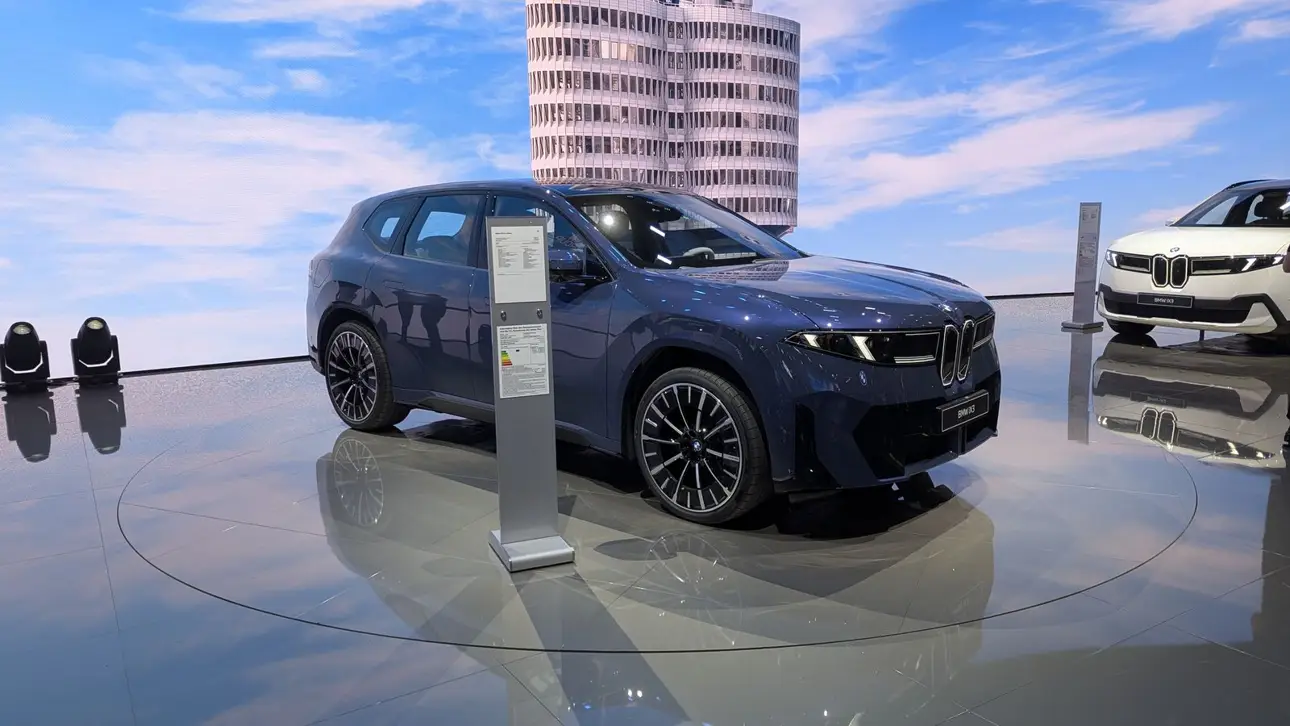
Philosophically, the iX3 is framed not as just another EV but as a carrier of new standards in efficiency, digital interfaces, and sustainability. The practical side of that green agenda is clear: roughly one-third of the structure uses secondary materials, while circularity principles and lower supply-chain impact are embedded from the development stage.
BMW also stresses a technology-neutral stance. The company is not betting on a single path, developing efficient internal-combustion engines, plug-in hybrids, and electric vehicles in parallel, and from 2028 plans to expand toward hydrogen solutions. That breadth of strategy has the kind of pragmatism that tends to reassure buyers while the industry navigates its transition.