EVs vs gasoline cars: real-world running costs and payback
 © mercedes-benz.com
Veloz compares real-world running costs of EVs and gasoline cars, finding EVs cheaper over time. See break-even in ~2 years or ~370 charges, plus savings tips.
Author: Yulia Ivanchik
A new study from the nonprofit Veloz compares the real-world running costs of electric vehicles and cars with internal combustion engines. The authors conclude that, despite a higher upfront price, EVs come out ahead over longer ownership. In practice, that advantage builds as everyday energy expenses replace regular fuel stops.
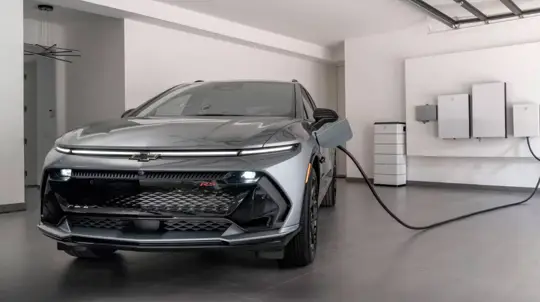
In the United States, the average EV still carries a higher sticker than a comparable gasoline model. Where the balance shifts is at the pump and the plug: filling a typical 53-liter tank generally costs more than a full overnight home charge on a discounted rate.
On a per‑kilometer basis, EV owners spend noticeably less than drivers of gasoline cars. The gap per full cycle—refueling versus recharging—is substantial, and it takes roughly 370 complete charges to offset the initial price premium. Once the odometer starts climbing, electrons steadily tip the scales.
For high‑mileage drivers who plug in every other day, the break‑even point arrives in about two years. Given an average ownership span of roughly five years, the savings accumulate from there. Even if electricity rates rise, charging a Tesla and other EVs remains cheaper than buying gasoline.
This English edition was prepared using AI translation under editorial oversight by SpeedMe. The original reporting is by Yulia Ivanchik
Latest Stories