BYD readies Baby Shark compact pickup with DM-i AWD
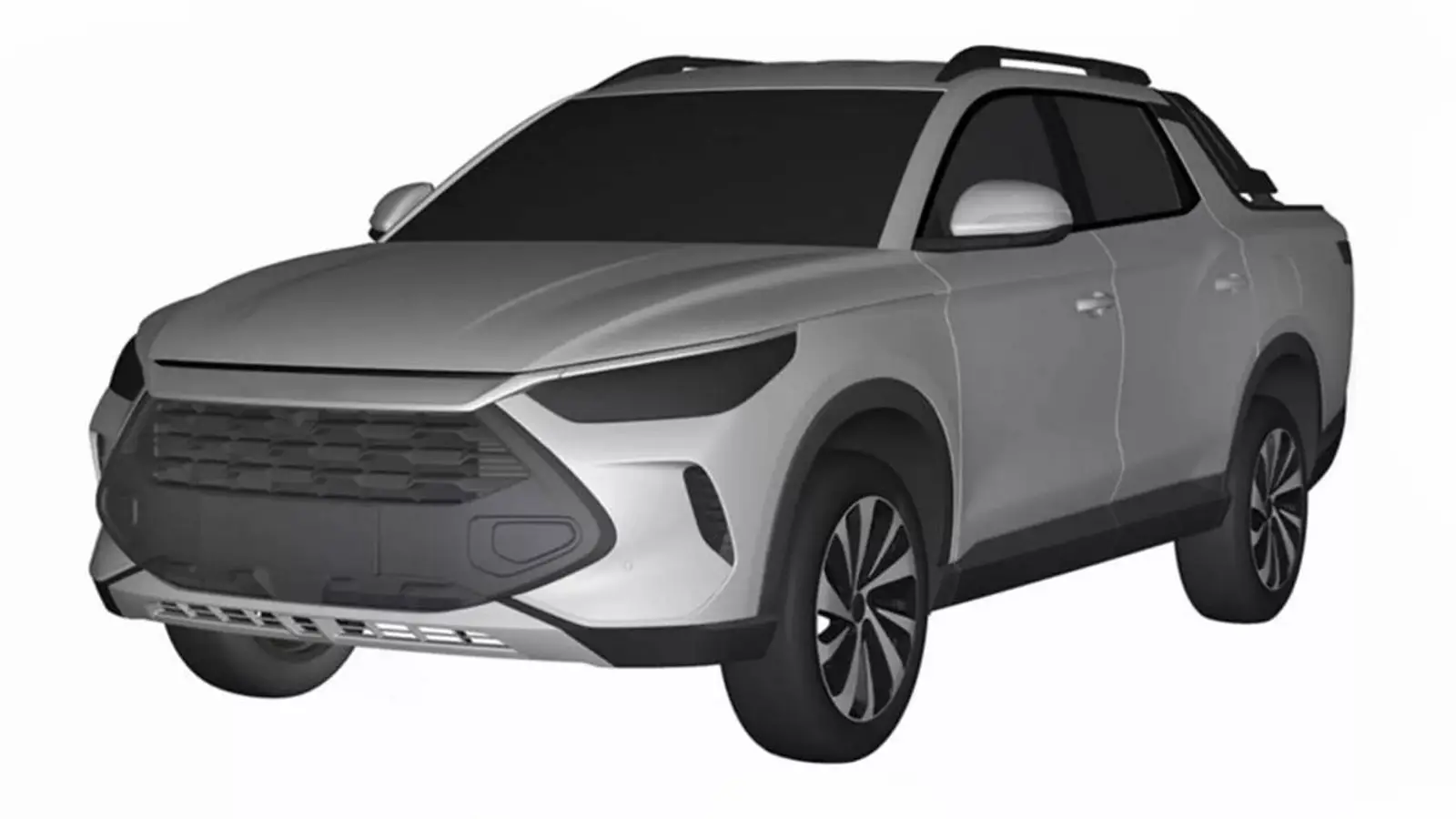 © MIIT
BYD's Baby Shark is a compact unibody hybrid pickup with DM-i AWD, 319 hp, about 80 km EV range, V2L and a tech-rich cabin. Global production starts in 2026.
Author: Diana Degtyareva
BYD continues to broaden its lineup and is preparing a compact pickup for global markets—a so‑called Baby Shark positioned below the larger Shark 6. Patent images indicate it isn’t a classic body‑on‑frame workhorse but a unibody model with a lifestyle bent in the vein of the Ford Maverick: practical, yet lighter in format and comfortable in the city. That approach should appeal to urban drivers who still want a usable bed.
The look is intentionally soft: less machismo, more flowing surfacing, much like modern crossovers. Many details mirror the Seal U/Sealion 6, effectively turning a crossover platform into a pickup. The off‑road theater is in place—plastic cladding, roof rails, a bed bar—and the rear design echoes the bigger Shark. Overall, the message skews lifestyle rather than hardcore, which suits its mission.
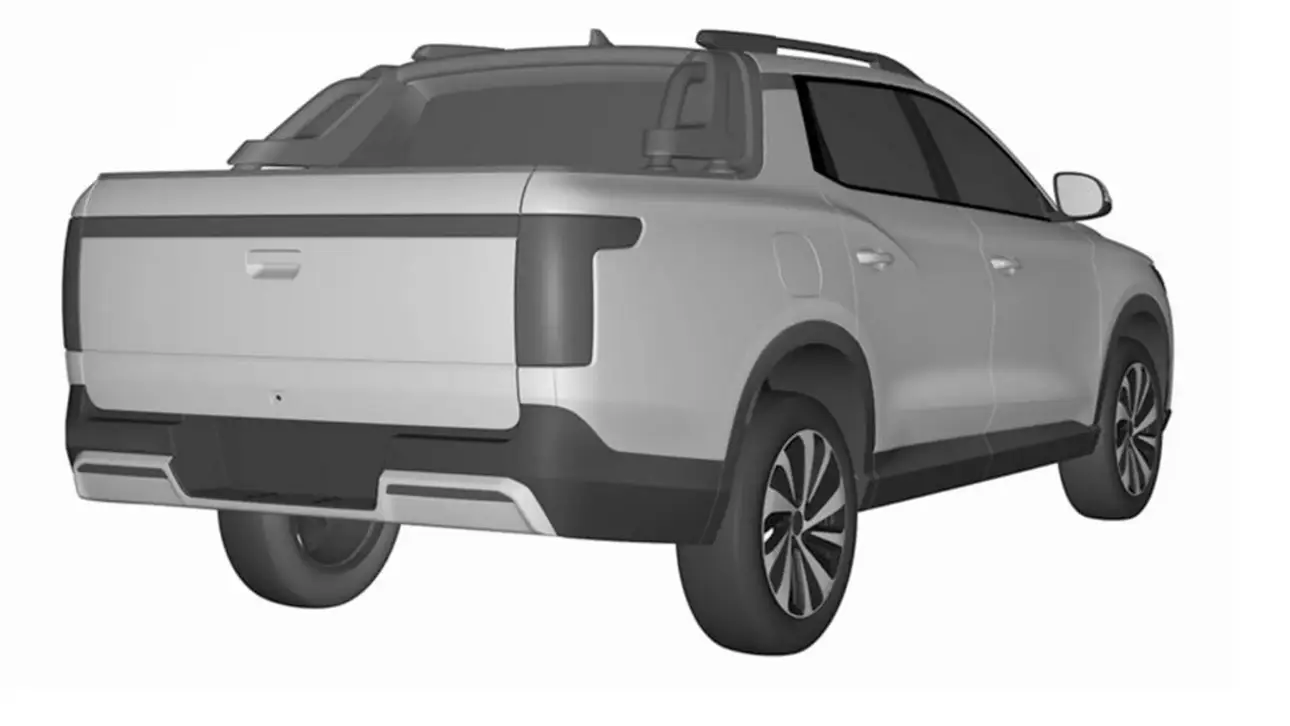
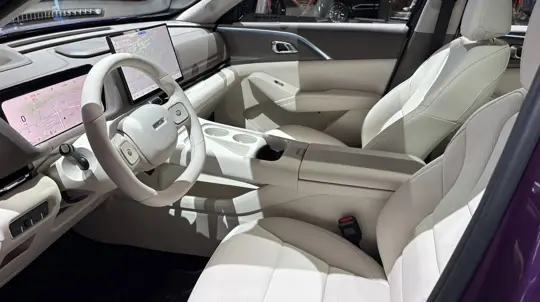
Inside, the cues point closer to an SUV than a utilitarian truck: a large 15.6‑inch rotating display, a digital instrument cluster, a head‑up display, a panoramic roof, wireless CarPlay/Android Auto, and a flat second‑row floor. The bed is set to offer convenient tie‑downs and a V2L outlet for powering equipment. The package reads more daily‑friendly than fleet‑focused.
The headline is the hardware. BYD is expected to use its DM‑i hybrid system with all‑wheel drive: a 1.5‑liter turbo engine and two electric motors, one on each axle. The combined output is cited at around 319 hp, paired with a Blade battery of roughly 18.3 kWh—good for about 80 km of pure electric driving and, potentially, a very long overall range. Production is planned to start in early 2026, with right‑hand‑drive versions to follow, underscoring export ambitions. On paper, that mix should deliver efficient, long‑legged driving with everyday versatility.
This English edition was prepared using AI translation under editorial oversight by SpeedMe. The original reporting is by Diana Degtyareva
Latest Stories