Lamborghini ownership in real life: hassles, tactics, and joy
 © A. Krivonosov
Discover the realities of Lamborghini ownership: ergonomics quirks, speed-bump tactics, attention on the road, and practical tips to live with a supercar.
Author: Diana Degtyareva
It might seem that if you buy a Lamborghini for sums that, for many, equal a lifetime’s earnings, everyday hassles stay in the world of ordinary cars. Owners say otherwise: money doesn’t cancel out physics, road infrastructure, or the human factor. SPEEDME.RU looked into the main complaints from those driving with a raging bull on the hood.
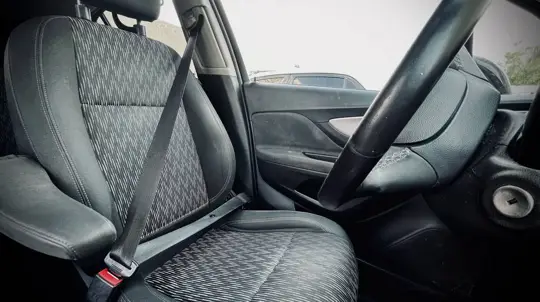
The first surprise is ergonomics. In some models, the seating position and pedal layout can wear you out on long journeys, and in Spyder versions the passenger can feel more cramped than in the coupe. Then come speed bumps and steep driveways. A front-axle lift is often a must, yet even with it you approach slowly and at an angle—otherwise that familiar, expensive scrape from underneath makes itself heard.
Another facet of living with an exotic is attention, and not always the friendly kind. Some people try to provoke, others get annoyed, and the police, owners note, are quick to react to a loud exhaust and a vivid paint color. As a result, many start driving selectively: they plan routes in advance, think through parking, and pick hotels by the level of security. The supercar becomes a project, not just a way to get from A to B.
Even so, the positives outweigh the rest: a sense of achievement, the pleasure of driving, and the reaction of onlookers—especially children. That’s the paradox of a 2025 car: even the most expensive supercar is still a machine that has to live on the same roads as everyone else.
This English edition was prepared using AI translation under editorial oversight by SpeedMe. The original reporting is by Diana Degtyareva
Latest Stories