
Should you switch to high-mileage engine oil? Signs and benefits
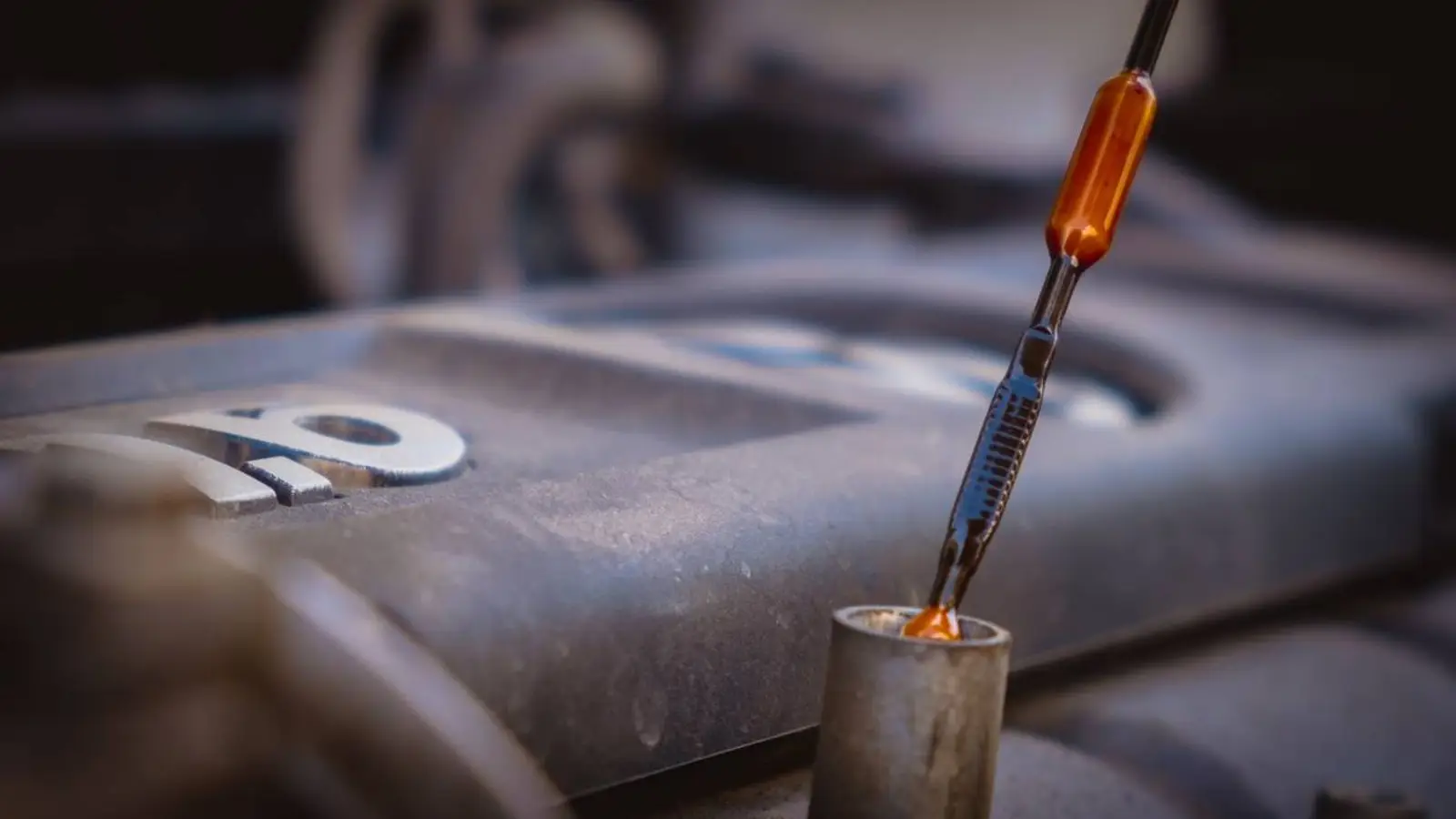 © A. Krivonosov
Learn when to switch to high-mileage oil: key signs like oil consumption, seal weeping, soft throttle, plus how additives protect aging engines and cut wear.
Author: Polina Kotikova
As mileage piles up, an engine rarely gives up without warning. More often, it develops small age-related habits: a bit of oil burn-off, faint seal weeping, a louder mechanical note, deposits, and a softer throttle response. High-mileage oil was devised with exactly these symptoms in mind, and its recipe is notably different from a standard blend.
The idea revolves around additives. These formulas typically include seal conditioners that help aging seals stay supple and can reduce minor seepage. Stronger detergents and dispersants work against sludge and varnish that increase consumption and make an engine feel heavier to rev. Viscosity modifiers and anti-wear agents complete the package, reinforcing the oil film and cutting metal-to-metal contact in already tired friction pairs.

Auto mechanic Alexey Stepantsov told SPEEDME.RU that the switch is often mentioned around 120,000–160,000 km, but the number matters less than the signals: the engine has begun to consume oil, light weeping has shown up, and fuel economy or responsiveness has slipped.
For a relatively fresh engine, this product is usually unnecessary: harm is unlikely, but the benefit is minimal, and some manufacturers directly advise against high-mileage formulas where no symptoms are present.
Oil-change intervals generally remain as stated in the owner’s manual. The premium for this type of oil is typically lower than the cost of chasing leaks and early wear, so for an older car it comes across as sound preventive care rather than a cure-all.
This English edition was prepared using AI translation under editorial oversight by SpeedMe. The original reporting is by Polina Kotikova
Latest Stories