
How cold weather affects tire pressure and what to do
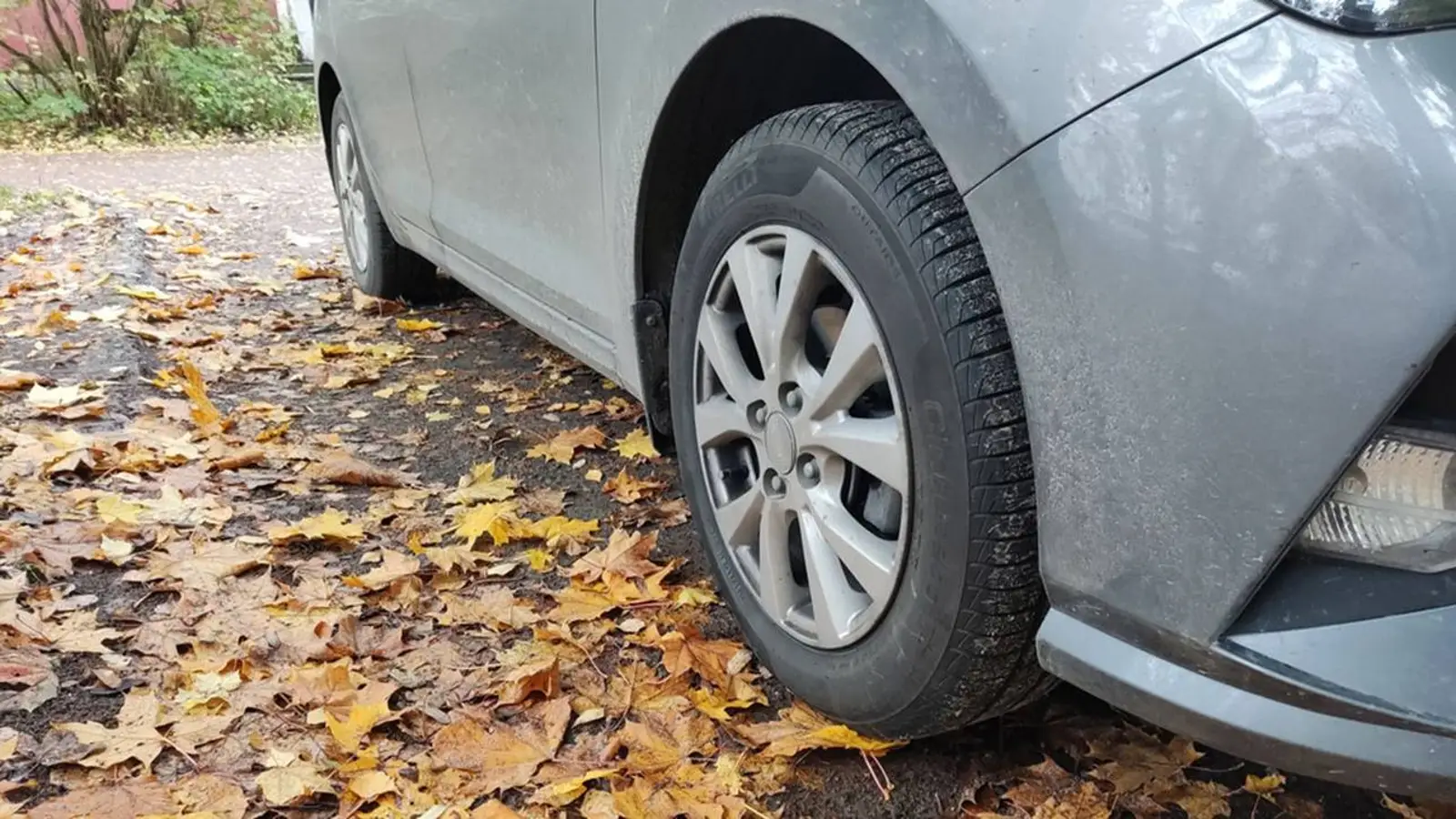 © A. Krivonosov
Learn why winter tire pressure drops as temperatures fall, how often to check it, and when to add a small buffer. Follow manufacturer specs for safe driving.
Author: Dmitry Novikov
In winter, tires can seem to deflate even without a puncture, and the reason is straightforward: cold air contracts, so pressure falls. A simple yardstick — every 10°C drop often translates to about 0.1 bar less. That’s why a wheel set to 2.2 bar at 20°C can show around 2.0 at freezing point, and drift toward 1.8 bar when it’s −20°C. Over a season, the swing between a warm garage and deep cold often reaches 0.3–0.4 bar, while manufacturer specs are typically stated for roughly 20°C.
According to the 32CARS.RU website, which cited expert Dmitry Novikov, winter calls for more frequent pressure checks than summer. A practical rhythm is a check every two weeks, with once a month as the bare minimum. Measure on cold tires, after the car has been parked for several hours; otherwise the gauge will read higher. Inflate strictly to the values shown on the doorjamb sticker or in the owner’s manual.
In severe frost, some drivers keep a small buffer by adding 0.1–0.2 bar to offset the drop once they head into the cold. It’s not worth straying far from the recommended numbers, though: overinflation chips away at grip and comfort, while noticeable under-inflation raises the risk of sidewall damage, stretches braking distances, and makes the car feel skittish.
This English edition was prepared using AI translation under editorial oversight by SpeedMe. The original reporting is by Dmitry Novikov
Latest Stories