Why Tesla's Cybertruck is unlikely to conquer Europe
 © A. Krivonosov
Tesla Cybertruck faces EU safety rules, recalls and doubts. Why high-volume sales in Europe are unlikely and how regulations block its market entry today.
Author: Polina Kotikova
Tesla positions the Cybertruck as a world-class electric pickup meant to turn heads everywhere. In practice, though, Europe is proving a nearly impassable checkpoint. Representatives of Tesla’s German operation have said that high-volume sales in European countries are unlikely because of serious technical constraints and a mismatch with EU quality and safety standards. That already suggests the truck’s global pitch is colliding with a tougher reality across the continent.
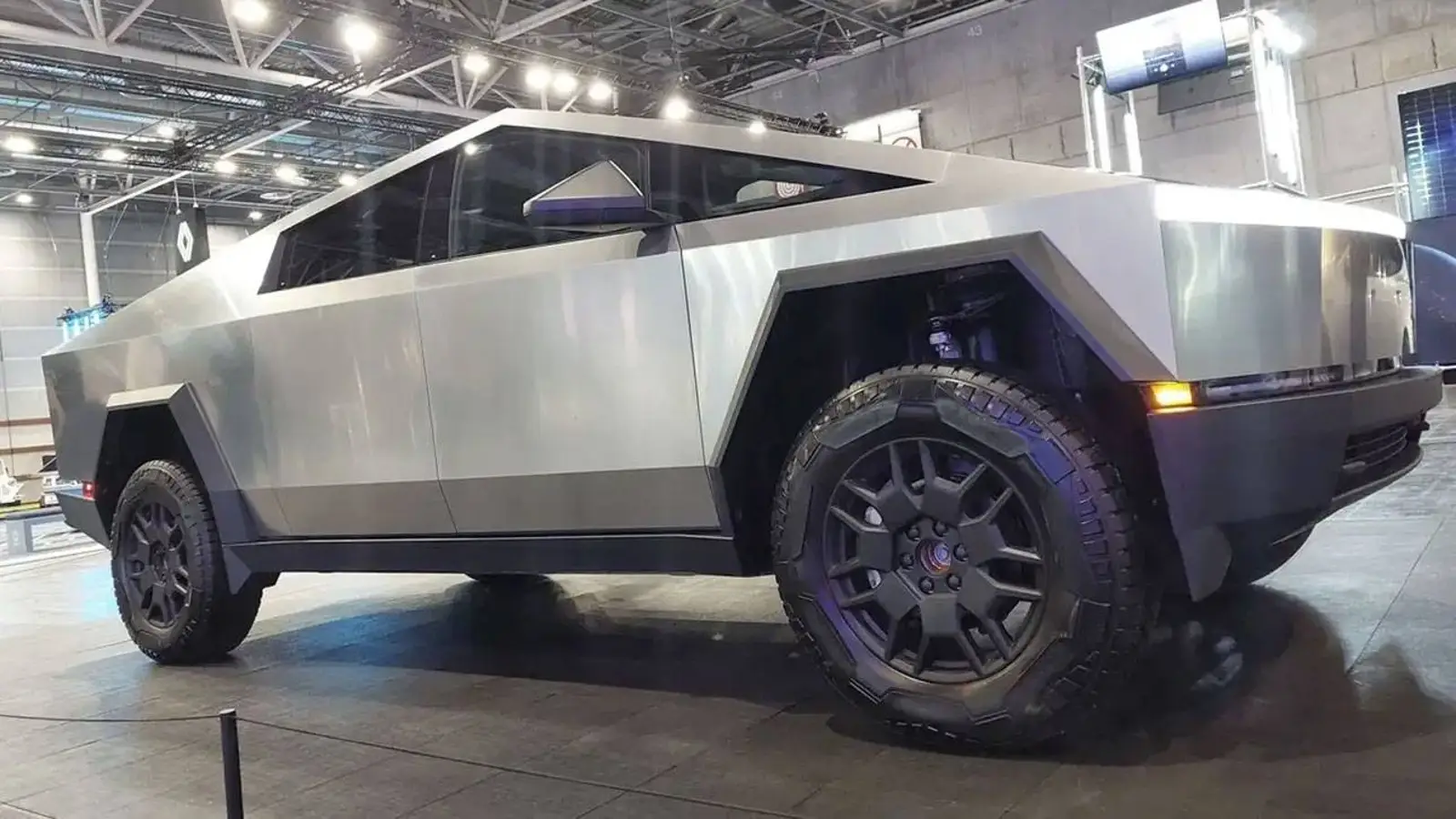
The core issue lies in the vehicle’s construction. The Cybertruck’s design was developed around North American requirements and differs markedly from what European buyers are used to. The sharply defined bodywork, hard edges, and unconventional proportions complicate certification under European Union rules tied to pedestrian safety—meant to mitigate the consequences of a collision with a vehicle—as well as environmental protection regulations. What reads as striking sculpture in the U.S. quickly turns into a regulatory headache in Europe.
The brand’s image has also taken a hit after a series of Tesla Cybertruck recalls triggered by identified defects. That has dented consumer confidence and darkened perceptions of the model—proof that in this segment trust counts more than any design flourish.
Even CEO Elon Musk has acknowledged major challenges in promoting the pickup in Europe, indicating that the chances of building successful sales there are slim. So while the Tesla Cybertruck arrived with bold ambitions, the circumstances on the ground point to how unlikely a swift, effective conquest of the European market really is.
This English edition was prepared using AI translation under editorial oversight by SpeedMe. The original reporting is by Polina Kotikova
Latest Stories