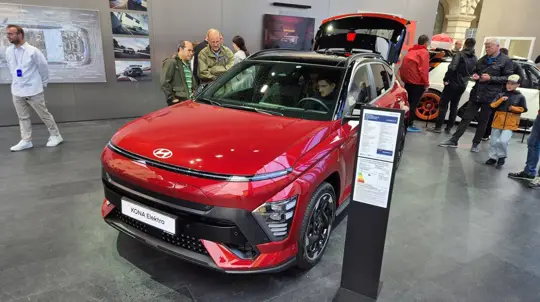
Germany plans 2026 EV subsidies for low- and middle-income drivers: can local supply keep up?
 © A. Krivonosov
Germany readies 2026 EV subsidies for low- and middle-income buyers, including leases and PHEVs. Deloitte sees gains, but supply gaps may boost Chinese imports.
Author: Diana Degtyareva
Germany is preparing to reboot its electric-car market after the sharp slowdown at the end of 2023. Officials are weighing a new support program that could launch in 2026 and tap around €3 billion from the Climate and Transformation Fund. The focus would be explicitly social: aid targeted at low- and middle-income families and extended not only to purchases but also to leases of electric vehicles and plug-in hybrids. Centering support on broader access, rather than prestige purchases, looks like a pragmatic reset.
On paper, the proposal is compelling. Deloitte estimates the bonus could deliver roughly 180,000 additional EV registrations a year, and if the scheme runs through 2030, it could help bring up to 750,000 cars to market. Yet there’s a catch: Europe’s EV manufacturing capacity may struggle to match the surge in demand that public money would unleash.
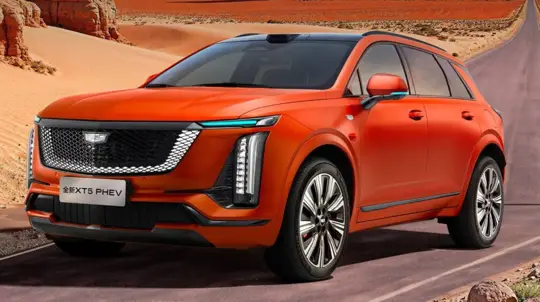
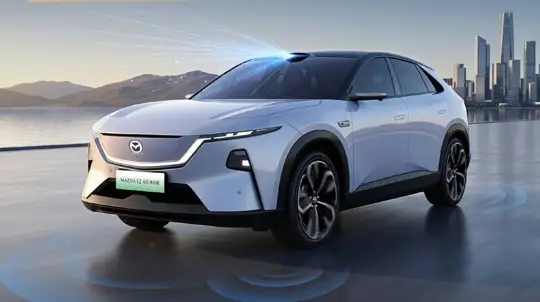
When demand races ahead of local supply, imports tend to fill the gap. In today’s landscape, Chinese brands are best positioned for that, thanks to ample production, resilient supply chains, and the ability to respond quickly to demand spikes. That means a subsidy designed to accelerate the green transition risks partly turning into financing for cars built outside Europe. For buyers, that would broaden choice; for policymakers, it complicates the goal of shoring up the regional industry.
Another important detail is what the draft scheme leaves out: strict industrial “filters” such as local value-added requirements. Deloitte suggests defining such criteria; otherwise, taxpayers’ money could flow beyond the EU. As an alternative, observers often point to France, where access to aid is tied to a life-cycle eco score—an approach that indirectly favors European production. Guardrails like these won’t fix capacity overnight, but they do align incentives with the region’s longer-term industrial aims.
This English edition was prepared using AI translation under editorial oversight by SpeedMe. The original reporting is by Diana Degtyareva
Latest Stories