Plug-in hybrids show 80% more problems than ICE cars, says Consumer Reports
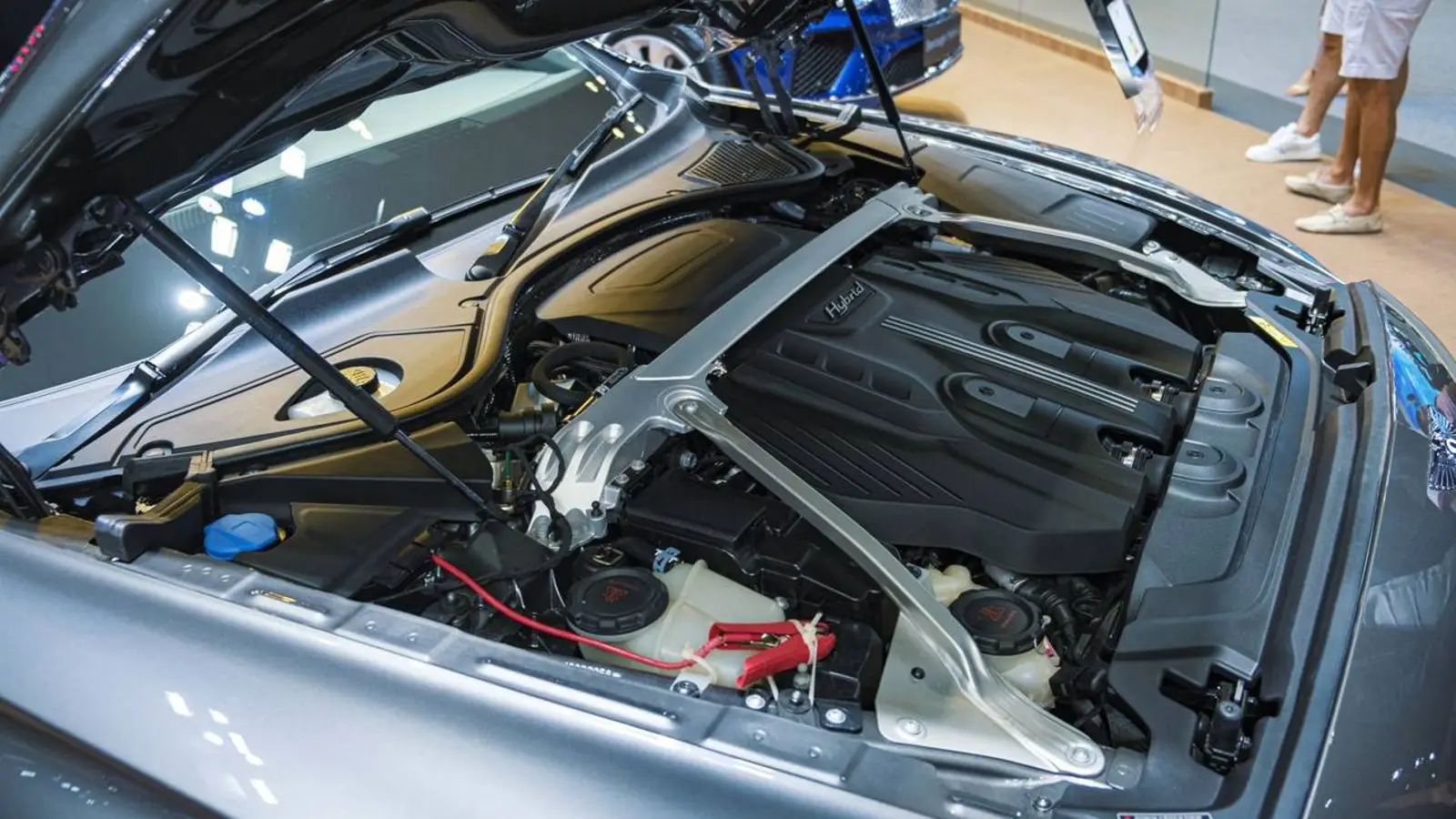 © A. Krivonosov
Consumer Reports finds plug-in hybrids suffer about 80% more issues than ICE cars. See which PHEVs falter—Escape, Wrangler 4xe, CX-90, XC60—plus what to watch.
Author: Diana Degtyareva
Plug-in hybrids have long been sold as the perfect middle ground: some trips on electric power, familiar refueling, lower consumption and emissions. But fresh findings from Consumer Reports land hard: PHEVs show roughly 80% more problems than vehicles with internal combustion engines only. And it’s not just abstract statistics—according to a report examined by SPEEDME.RU, owners specifically complain about high-voltage batteries, electric motors, charging issues, and electronic glitches.
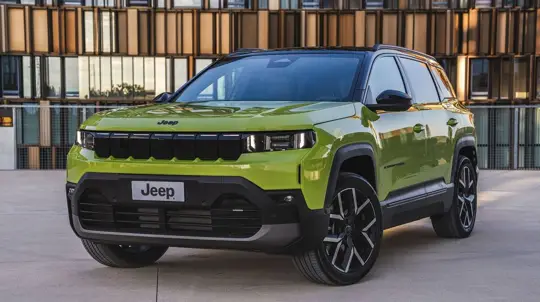
Among compact crossovers, the Ford Escape PHEV stood out for the wrong reasons: owners mentioned traction-battery replacements, cooling and charging troubles, and faulty electrical accessories, along with complaints about suspension, steering, and climate control. With the Jeep Wrangler and Grand Cherokee 4xe, frustrations most often center on the hybrid side itself—system faults, battery troubles, and electric-motor issues. In larger SUVs, the Mazda CX-90 PHEV drew especially heavy criticism, with a broad list that spans power electronics and transmission to brakes, interior electrics, and even overall fit and finish.
In the premium segment, the Volvo XC60 PHEV raises concern as owners described power limitations and failures tied to the electrical system and climate control.
For any model in 2025, that’s a bruising reputational storyline: the technology promises convenience, yet added complexity raises the odds of both minor hiccups and major breakdowns. The pattern feels predictable—more systems mean more potential weak points—so a thorough test drive and a careful look at real-world reliability reports sound less like caution and more like common sense.
This English edition was prepared using AI translation under editorial oversight by SpeedMe. The original reporting is by Diana Degtyareva
Latest Stories