SUVs surge in Europe as hatchbacks and sedans shrink, 2020-2025
 © B. Naumkin
Dataforce stats reveal SUVs rising to 59% of Europe's new-car market by 2025, as hatchbacks and sedans fall. See winners like Dacia Sandero and Tesla Model 3.
Author: Nikita Novikov
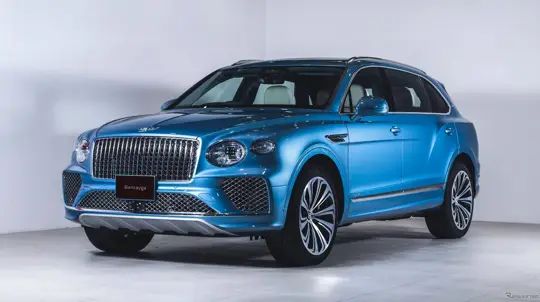
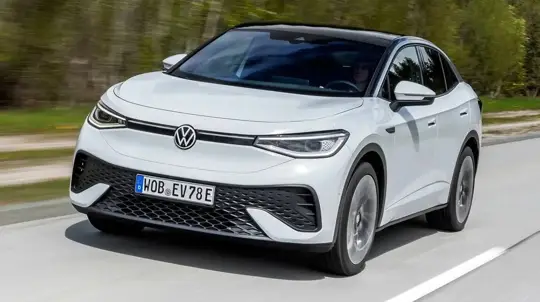
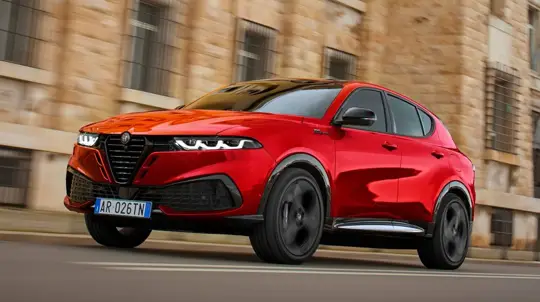
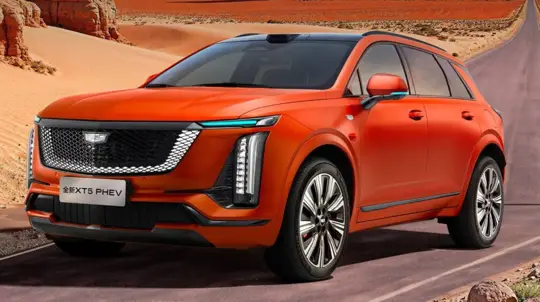
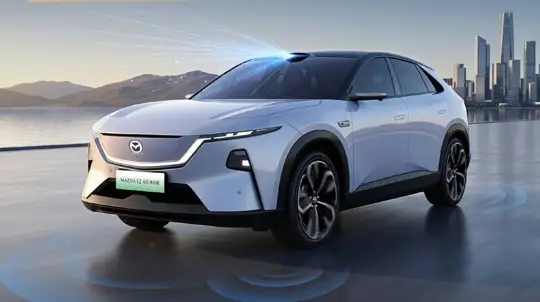
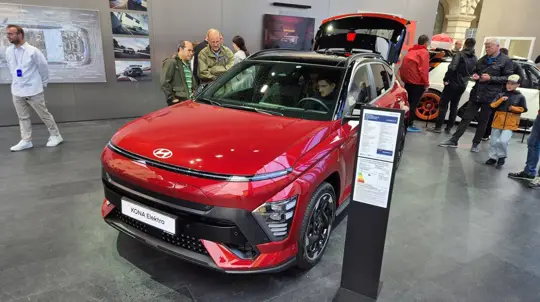
Over the past five years, Europe’s new-car market has swung decisively toward SUVs. According to Dataforce statistics reviewed by SPEEDME.RU, the share of crossovers and sport-utility vehicles climbed from 41% in 2020 to 59% in 2025. That surge inevitably squeezed traditional body styles: hatchbacks slipped from 35% to 23.9%, and their volumes fell from 4.2 million to 2.9 million units.
Yet the classics haven’t vanished. Among small cars, the Renault Clio and Volkswagen Golf still draw steady demand, while the standout is Dacia Sandero: more than 225,000 sold in 2025, and the model is on track to remain Europe’s best-seller for a second straight year. One clear driver is its ultra-low entry price in key markets; in Germany it starts below €13,000.
Sedans are under even greater pressure. Their market share has slipped from 4.7% to 3.5%, with volumes roughly down from 565,000 to 426,000. Even so, the Tesla Model 3 leads the segment by a comfortable margin, well ahead of the Mercedes‑Benz CLA. Estates aren’t spared either: their share has contracted from 10.2% to 7.1%, and even popular models such as the Skoda Octavia Combi and Volkswagen Passat increasingly struggle against the broad usefulness that buyers associate with SUVs.
The direction of travel is clear: Europe is leaning into practical, compact, fashion-forward formats. SUVs capture most of the demand, while budget-friendly hatchbacks hold their ground thanks to price. Judging by the pace of change, this looks less like a temporary swing and more like the market’s new normal.
This English edition was prepared using AI translation under editorial oversight by SpeedMe. The original reporting is by Nikita Novikov
Latest Stories