Fastest 0–100 km/h road cars of 2025: EVs lead the pack
 © A. Krivonosov
Explore the fastest 0–100 km/h road cars of 2025: McMurtry Speirling Pure, Rimac Nevera R, Aspark Owl and more. See how EVs and hybrids dominate acceleration.
Author: Boris Naumkin
Going from 0 to 100 km/h has long mattered more to speed fans than top speed: it better captures a car’s explosive character and how effectively it turns power into motion. If quick everyday cars do it in roughly 6–8 seconds, super- and hypercars have been counting in two seconds and under for a while now. In the current list of road-going machines with the sharpest sprint, the leader breaks the mold altogether.
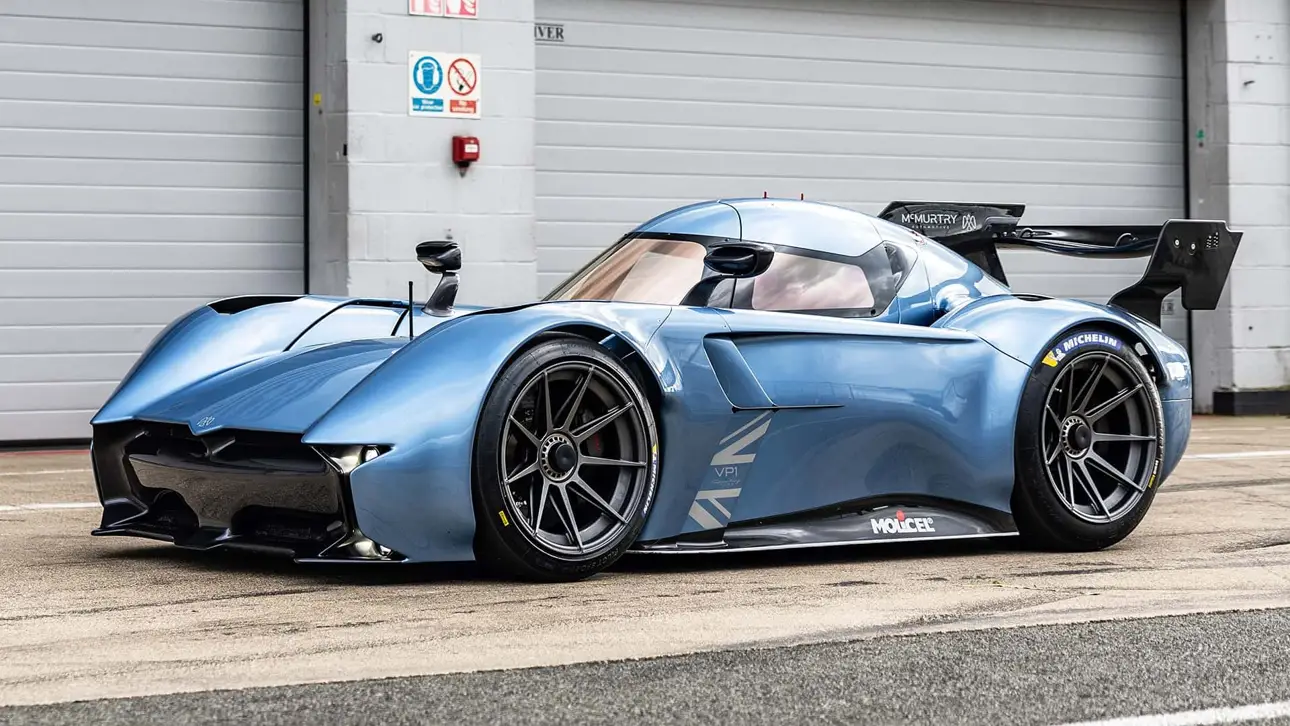
Top spot goes to the McMurtry Speirling Pure, a compact British machine claiming 1.5 seconds to 100. The trick isn’t just electric thrust, but also downforce: a fan system that effectively sucks the car to the tarmac.
Next come heavy hitters of another scale—the Rimac Nevera R at 1.72 seconds and the Aspark Owl at 1.78. Both bank on all-wheel drive with four electric motors and colossal output, where electronics meter torque with a precision no mechanical setup can match.
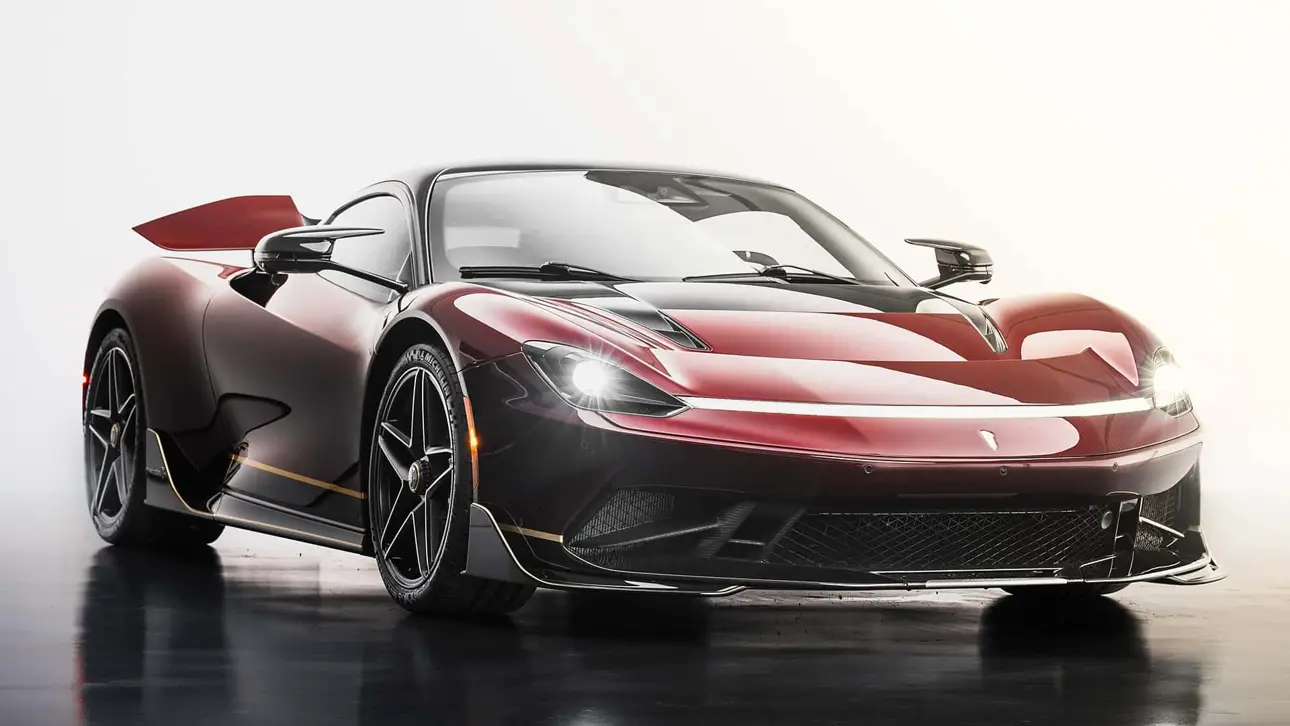
From there, the ranking underlines a wider trend: today, electric propulsion and potent hybrids are more often quicker than traditional gasoline monsters. Pininfarina Battista cites 1.86 seconds, while among cars where an internal-combustion engine still plays a prominent role, the Czinger 21C stands out—a complex hybrid with a twin-turbo V8 and e-motors that is credited with about 1.9 seconds. Big names and fresh metal also surface near the top, including the Taycan Turbo GT, Model S Plaid, and a scatter of hypercars clustered around 2–2.7 seconds.
One caveat is worth keeping in mind: some of these numbers apply to limited builds and max-attack modes, and figures for promising models are still estimates.
The takeaway is straightforward: the fight for acceleration supremacy is no longer about engine size, but about thrust from a standstill, all-wheel drive, torque management, and grip. In 2025 it’s electric cars setting the pace, with hybrids serving as a compromise for those unwilling to part with sound and a more mechanical feel.
This English edition was prepared using AI translation under editorial oversight by SpeedMe. The original reporting is by Boris Naumkin
Latest Stories