Car ownership costs in Germany 2020-2025: ICE vs EV price trends
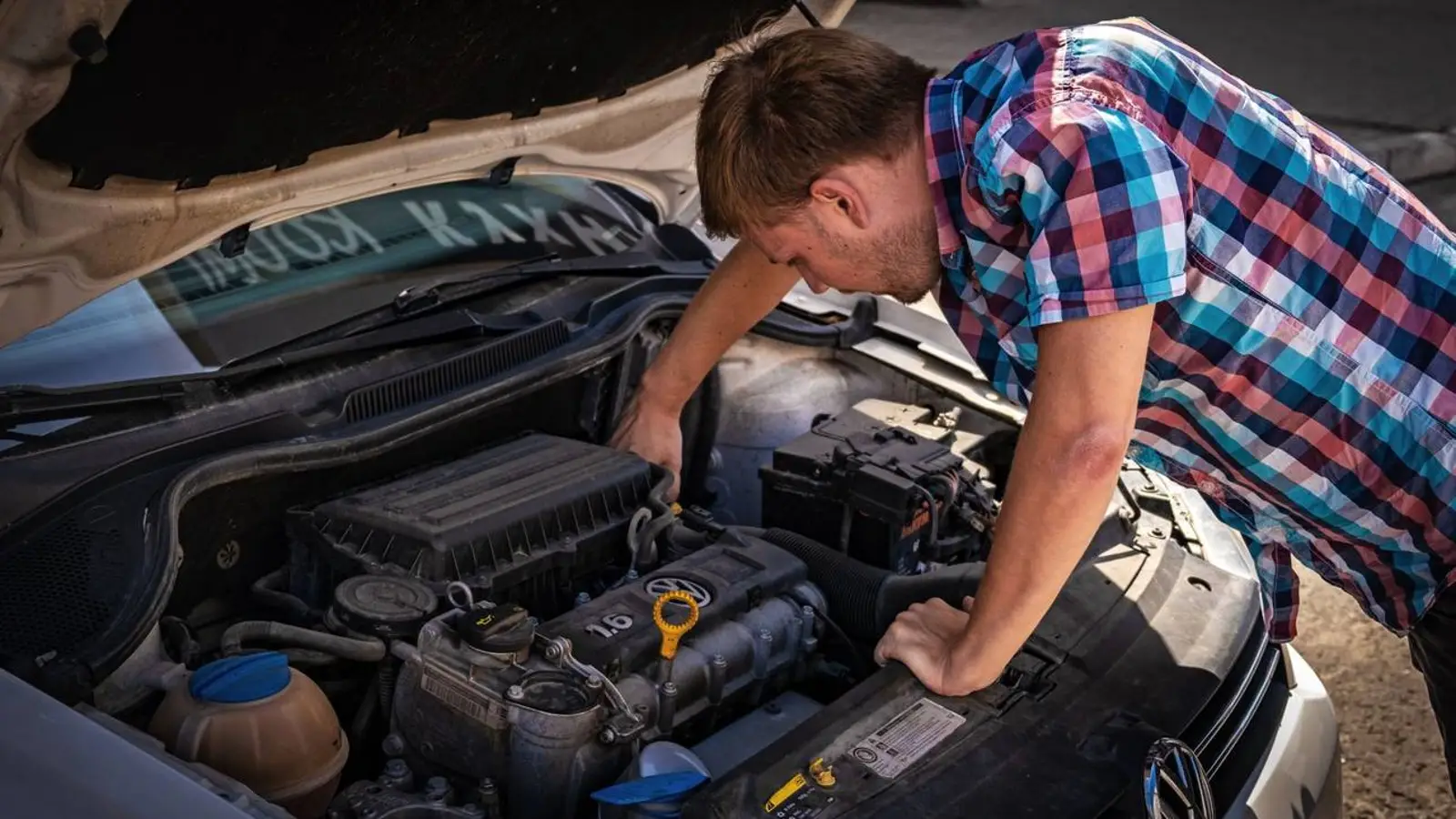 © A. Krivonosov
ADAC data show car ownership in Germany got pricier in 2025: ICE models rose 10-33% while EVs 3-4%. Insurance jumped 44%, fuel 33-43%, electricity 14-26%.
Author: Polina Kotikova
Owning a car in Europe keeps getting pricier, and it shows not only at the pump or the home socket but right at the moment of purchase. A study by ADAC Sudbayern tracks how sharply the cost of mobility in Germany climbed between 2020 and 2025 and points to a clear takeaway: cars with internal combustion engines became noticeably more expensive than electric models. The pattern mirrors what shoppers increasingly encounter in showrooms.
One of the clearest examples is the Volkswagen Golf. Based on ADAC figures reviewed by SPEEDME.RU, a comparably equipped Golf 2.0 TDI Style rose by about 22 percent over five years: in October 2025 it was priced at 42,275 euros versus 34,425 euros in October 2020. Toyota Corolla Hybrid shows a similar curve, with increases depending on version ranging from 14 to 20 percent, averaging around 16.6 percent. The family oriented VW Touran climbed even more steeply, up to roughly 33 percent across the configurations examined. The trend continues higher up the market as well: for the BMW 4 Series, prices also rose, with average growth of about 10 percent for comparable versions.
Electric cars rose in price too, but more gently. According to ADAC calculations, the Volkswagen ID.3 added about 4 percent for the Pro and Pro S with similar equipment, while the BMW i4 eDrive40 increased by roughly 3.84 percent. Against that backdrop, running costs bite especially hard. German statistics show insurance premiums jumping 43.6 percent from 2020 to 2024, with estimates indicating the rise continued in 2025. Fuel has taken a toll as well: the average price of Super gasoline climbed from 1.255 to 1.672 euros per liter, about 33 percent, while diesel went from 1.111 to 1.594 euros, more than 43 percent.
Electricity for home charging became more expensive too, moving from 30.43 to 38.25 cents per kWh, an increase of around 26 percent, and fast charging at EnBW rose from roughly 49 to 56 cents, about 14.3 percent. Taken together, owning a car in 2025 is steadily more costly, especially for combustion models. The squeeze is felt at every step of ownership, and the balance of pain still falls on ICE drivers.
This English edition was prepared using AI translation under editorial oversight by SpeedMe. The original reporting is by Polina Kotikova
Latest Stories