BMW Z8: timeless design and the power of proportion
 © press.bmwgroup.com
Explore the BMW Z8 (E52): Fisker's modern echo of the 507, a Bond cameo, ALPINA sequel, and why its timeless proportions still matter today in today's market.
Author: Polina Kotikova
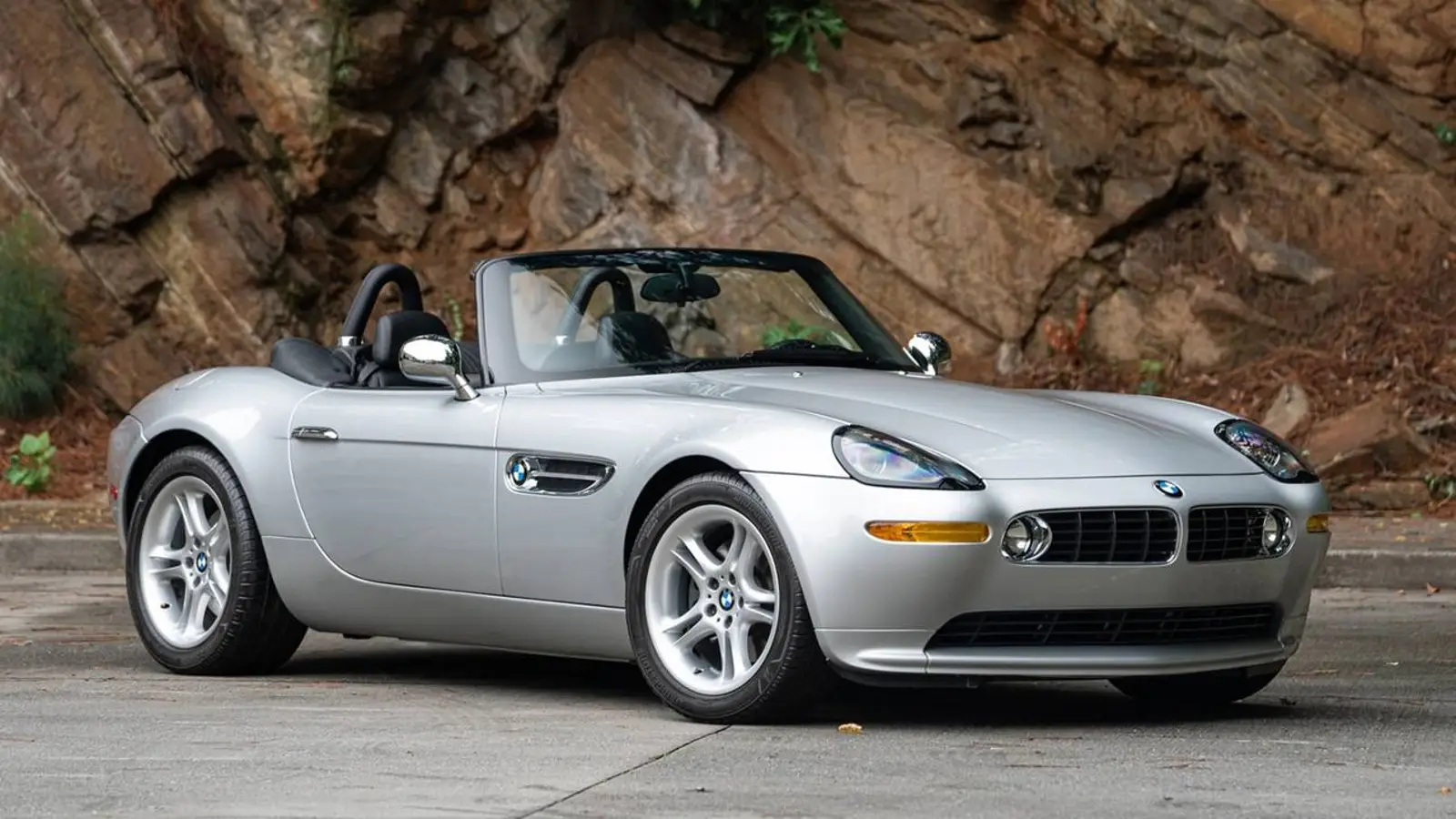
The BMW Z8 (E52) is increasingly cited as the brand’s most beautiful car, and nostalgia isn’t the reason. The roadster reads as timeless thanks to its proportions: a long hood, a cabin set back, a short tail, and calm surfaces free of gimmicks. In a time when design often banks on aggression and decorative add-ons, the Z8 wins by staying restrained. It’s a shape that doesn’t need to shout to be heard.
Built from 2000 to 2003, with a total run of 5,703 cars, the Z8 was conceived as a modern answer to the legendary BMW 507. It channels that idea without slipping into retro pastiche. The project is associated with designer Henrik Fisker, and its big advantage was a clean-sheet architecture that preserved the proportions without deference to mass-market platforms.
The interior follows the brief as well: minimal visual noise, a focus on driving, and technology integrated carefully so it never takes over. Even so, the Z8 was a costly indulgence from day one: in the early 2000s it sold in the United States for $128,000, which in today’s purchasing power comes out to roughly $241,000.
Pop culture added gloss but wasn’t a crutch. The Z8 appeared in a James Bond film yet never felt like mere movie prop. After production ended, the ALPINA Roadster V8 arrived—555 examples with a more grand-touring character—priced around $140,000.
Why doesn’t BMW build a car like this now? The economics are unforgiving: a low-volume, expensive, two-seat roadster is hard to defend in a world of crossovers, safety requirements, battery packaging, and multimedia expectations. The Z8’s singularity isn’t about BMW losing the knack for beauty; it’s about the conditions for such clarity rarely lining up today. Which is why the Z8 still reads less like a product plan and more like a manifesto on proportion.
This English edition was prepared using AI translation under editorial oversight by SpeedMe. The original reporting is by Polina Kotikova
Latest Stories