ADAC backs pricier fuel to speed EVs, and drivers push back
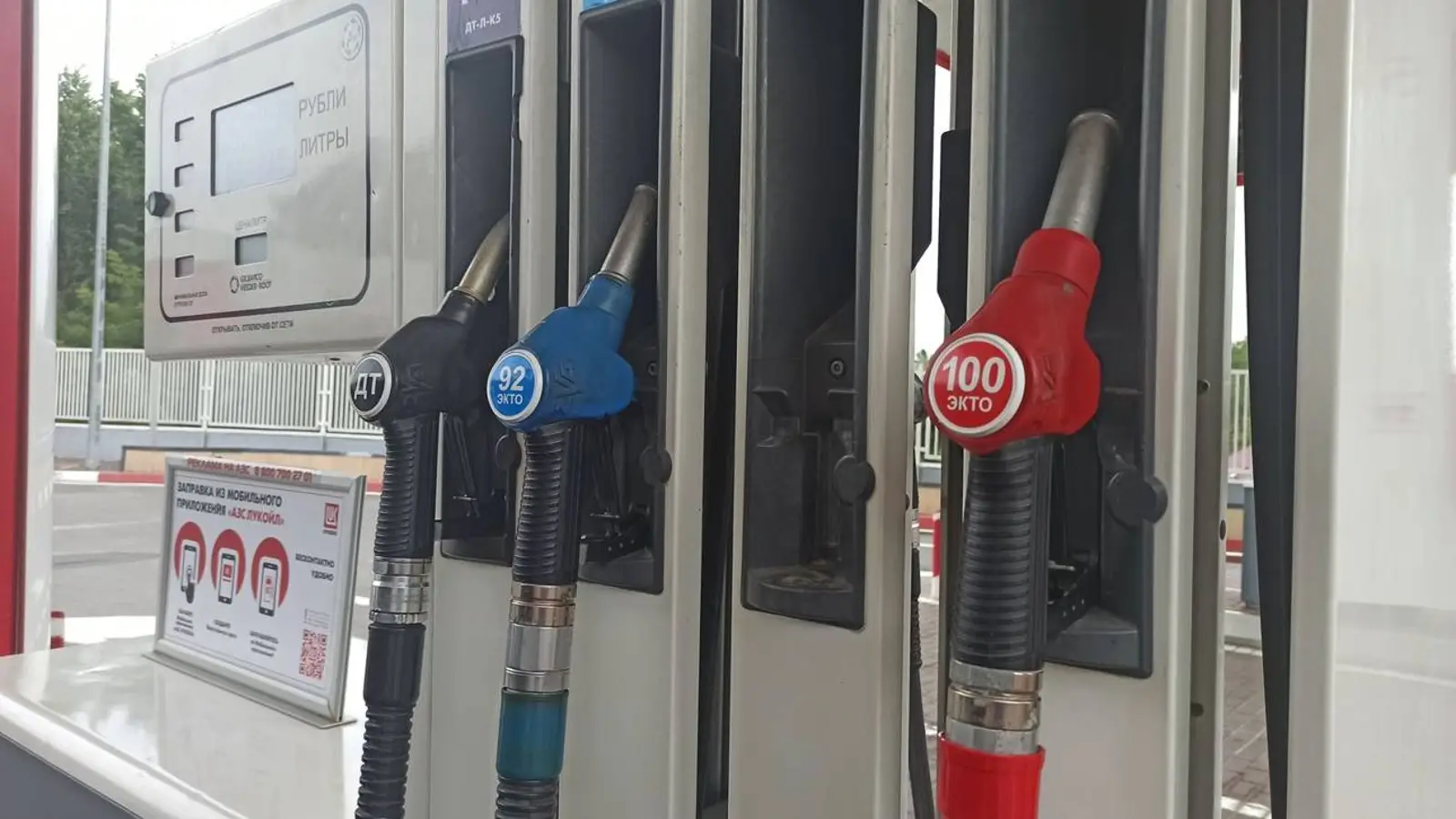 © Dasha Sysoeva
Germany’s ADAC backs higher fuel prices to speed EV adoption, touting cheaper charging, but drivers push back amid costs and ADAC’s discount flip.
Author: Diana Degtyareva
Germany is in the midst of a debate sparked by an unexpected statement from ADAC. The country’s largest motorists’ club, long regarded as a drivers’ advocate, has publicly backed the idea of making gasoline and diesel more expensive. The logic is clear: only a meaningful gap in total ownership costs will nudge the mainstream toward electric cars faster, especially if electricity is made cheaper and charging becomes visibly more economical than filling up.
Yet the idea lands like a blow to the club’s own base. An electric car is still far from a universal reality in Germany, and many families depend on a conventional vehicle every day. Against a tough economic backdrop and heightened sensitivity to household spending, the proposal comes across as a push-through-the-wallet approach to climate goals. Small wonder the backlash has been sharp: an organization expected to defend drivers’ interests is suddenly urging measures that make everyday mobility costlier.
There is also a practical contradiction. ADAC has traditionally offered members fuel discounts at selected chains, effectively helping them save on gasoline and diesel. In that light, calling for higher prices reads like an identity crisis: what does ADAC want to be in the automotive landscape of 2025—a service outfit for motorists or a fully fledged player in climate policy?
This English edition was prepared using AI translation under editorial oversight by SpeedMe. The original reporting is by Diana Degtyareva
Latest Stories