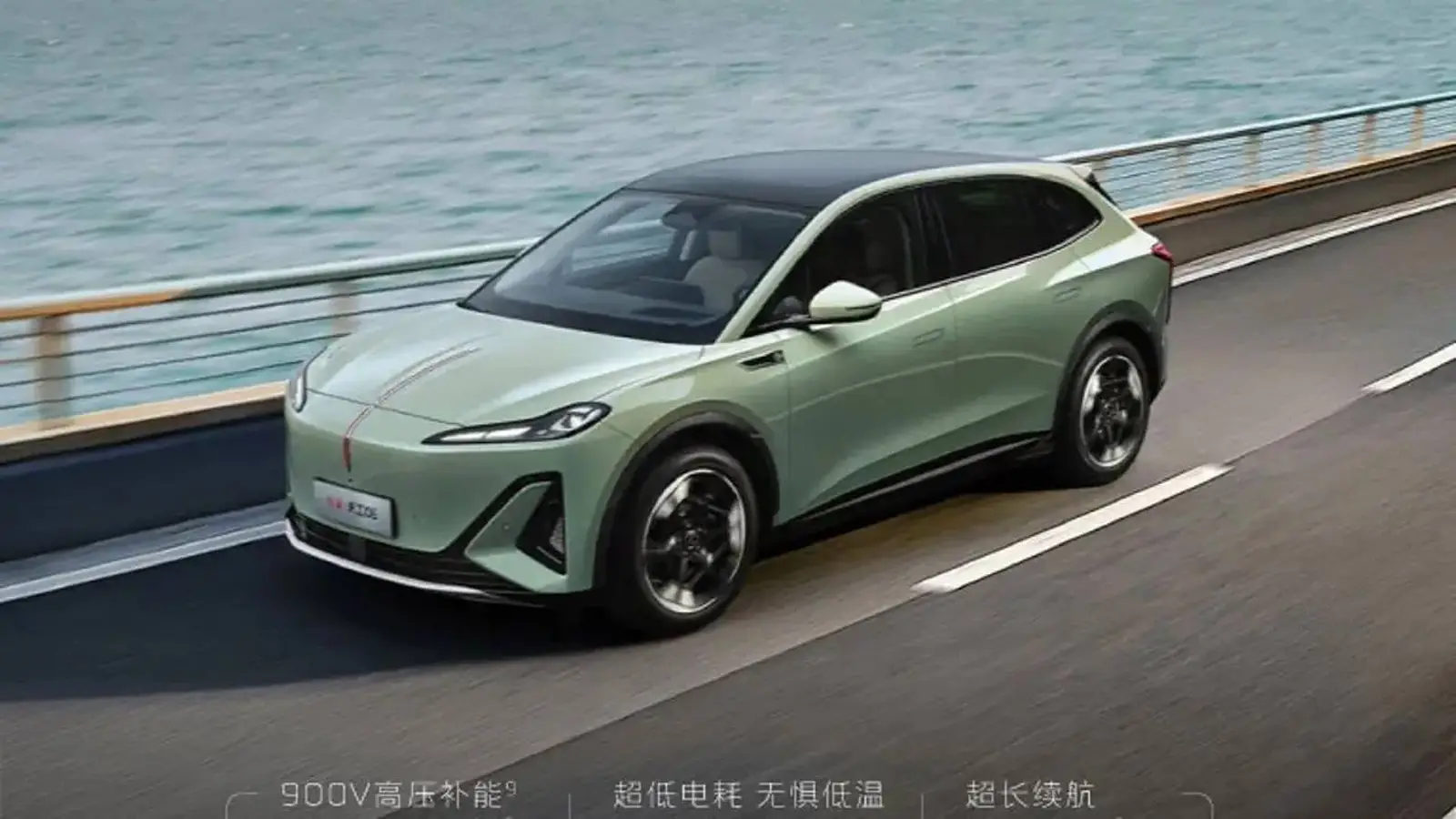
Hongqi begins real-world trials of a complete solid-state battery in the Tiangong 06
 © hongqi.faw.cn
Hongqi installs a complete solid-state battery in the Tiangong 06 SUV and starts road tests, advancing EV packaging and integration ahead of FAW's 2027 plan.
Author: Diana Degtyareva
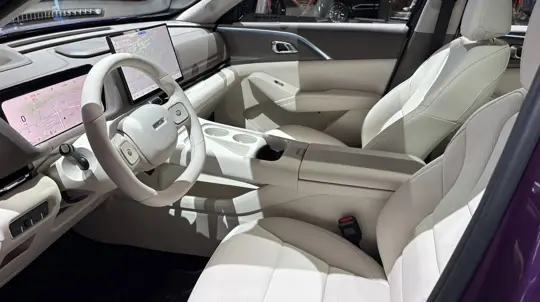
Solid-state battery development is increasingly stepping off the lab bench and onto the road. Hongqi, part of FAW, said it has for the first time fitted a fully functional solid-state traction pack to a production electric car and begun testing it in real-world use. The technology carrier is the Hongqi Tiangong 06, a midsize electric SUV already on sale in China with a conventional lithium battery and used by the brand as a platform to trial new solutions.
According to the company, the new pack was designed by Hongqi’s own R&D institute and is the first “complete” solid-state system installed in a car with an eye toward limited production. The milestone matters because evaluation now goes beyond cell-level metrics to true vehicle integration: operational stability, behavior under load, isolation and protection needs, and safety in everyday scenarios. It’s a pragmatic pivot from lab numbers to how the system lives inside a car.
Hongqi notes the project took 470 days of intensive work. Engineers focused on sulfide solid electrolytes, validated 10 Ah cells, and refined processes for 60 Ah cells. While the company is not yet sharing figures for energy density, charging speed, or durability, it emphasizes progress in packaging high-voltage modules and in lighter-weight system integration—factors that tend to decide whether a new battery can make it onto mainstream platforms. The emphasis on packaging over headlines suggests a production-minded approach.
This step aligns with FAW’s previously stated roadmap: a gradual rollout of solid-state batteries from 2027, initially in limited runs of higher-priced sedans and SUVs. Against that backdrop, the Tiangong 06 serves as a bridge between lab validation and possible small-batch deployment, a grounded way to prove out the tech without inflating expectations.
The brand says the next stages will focus on verifying cell performance, module reliability, and full vehicle integration. The direction is clear: make the technology work in the car, not just on paper.
This English edition was prepared using AI translation under editorial oversight by SpeedMe. The original reporting is by Diana Degtyareva
Latest Stories