MB.DRIVE ASSIST PRO brings supervised city driving to the U.S. in 2026
 © A. Krivonosov
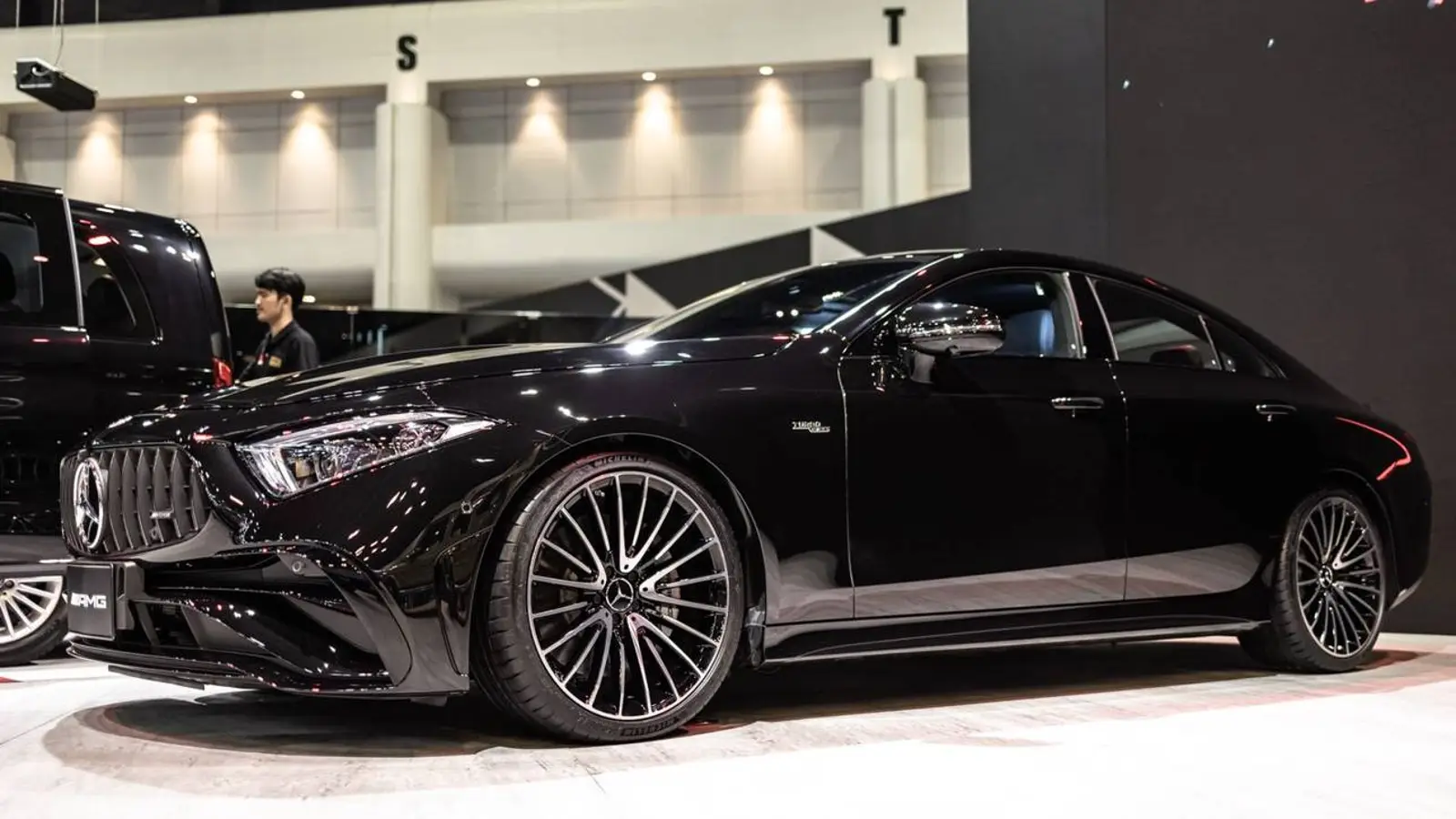
Mercedes-Benz will launch MB.DRIVE ASSIST PRO in the U.S. in 2026, enabling supervised city driving. From $3,950/3 years, with OTA updates and 30 sensors.
Author: Nikita Novikov
Mercedes-Benz says it will bring a new advanced driver-assistance system, MB.DRIVE ASSIST PRO, to the U.S. market later in 2026. The feature enables supervised driving on city streets. As the company describes it, the system is no longer confined to highways; it can pilot a vehicle from a parking spot to a set destination, negotiating intersections, making turns, and obeying traffic signals.
For the U.S., that’s a rarity: most automakers keep this level of capability to controlled-access roads, where surprises are fewer. Urban traffic is a tougher arena—pedestrians, cyclists, parked cars, last‑second lane changes, and split‑second decisions that test any algorithm. Against that backdrop, Mercedes’ announcement reads as a direct challenge to Tesla, which has long promoted its Full Self-Driving as workable on city streets, though still under driver supervision.
Mercedes also laid out the business model. In the U.S., MB.DRIVE ASSIST PRO will cost $3,950 for three years, with monthly and annual subscriptions coming later, pricing to be announced. Crucially, this is not full autonomy; as with FSD, drivers must remain attentive and ready to intervene at any time, since current safety and regulatory limits keep truly driverless urban travel off the table.
Technically, the brand is leaning on sensors and compute. The setup includes around 30 sensors—cameras, radars, and ultrasonic units—plus a computing platform capable of up to 508 trillion operations per second, and over-the-air updates to steadily refine features. The emphasis on a broad sensor suite and heavy processing hints at a bid for redundancy and steadiness amid the chaos of city driving, a pragmatic choice given the stakes.
This English edition was prepared using AI translation under editorial oversight by SpeedMe. The original reporting is by Nikita Novikov
Latest Stories