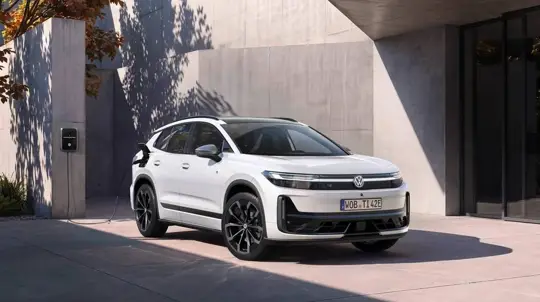
Most anticipated 2026 car debuts: BMW i3, Peugeot E-208 GTi, Alpine A110 EV, Ferrari Elettrica
 © B. Naumkin
Explore 2026 car debuts as EVs take center stage: BMW i3 on Neue Klasse, Peugeot E-208 GTi, Alpine A110 EV, Ferrari Elettrica, Renault Twingo, Toyota GR GT.
Author: Polina Kotikova
If 2025 cemented EVs as the new normal, 2026 looks like the year the market grows up: more models, a wider spread in pricing, and far less deference to old habits. Among the most anticipated debuts, almost everything is electric—a clear sign of where brands are heading.
One of the most symbolic moves is the Peugeot E-208 GTi. The GTi name has been synonymous with petrol hot hatches for decades, and now it’s being reinterpreted for the electric era. The targets point to a compact hot hatch with 276 hp and a 0–97 km/h sprint in 5.5 seconds—an emphasis on pace and character rather than headline-grabbing range.
BMW is preparing to revive the i3 badge—not as a continuation of the previous compact, but as an all-electric 3 Series on the new Neue Klasse architecture. Details remain scarce, yet the platform itself promises to be a turning point for the brand. The 3 Series has long set the benchmark for its class, and the electric version could be a telling preview of how BMW defines mainstream premium in the years ahead; if the execution lands, rivals will be paying attention.
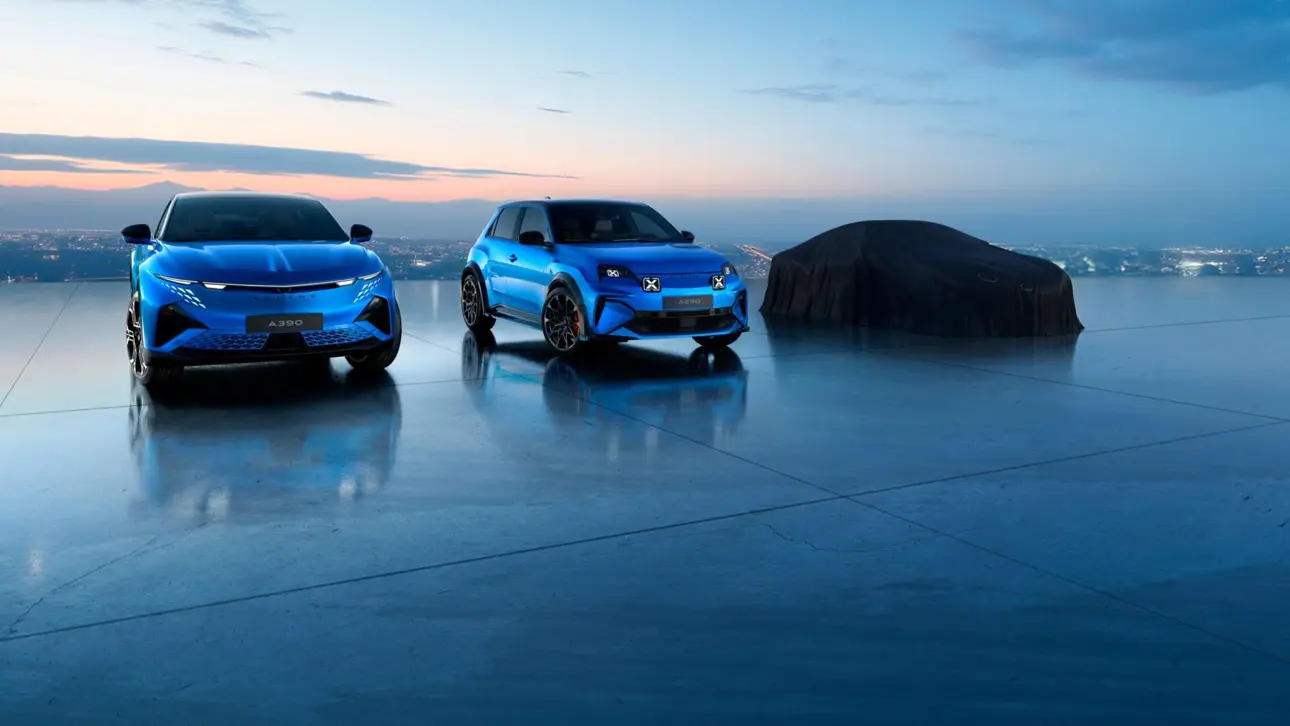
Alpine’s intrigue is more delicate: the electric successor to the A110 has to prove that lightness and driver appeal can survive without an engine. The plan calls for in-wheel motors, a range target around 560 km, and a target weight of about 1,450 kg. For an EV, that reads almost like a promise not to break the formula people love the A110 for; if it drives as the numbers suggest, purists may breathe easier.
Ferrari Elettrica is the big mystery. The very idea of a purely electric Ferrari feels like a historical threshold, but the more important point is this: judging by the company’s own signals, there’s no intent to chase maximum range. The logic is straightforward—handling and emotion first, everything else second. Whether that balance holds is exactly why the debut is so keenly awaited.
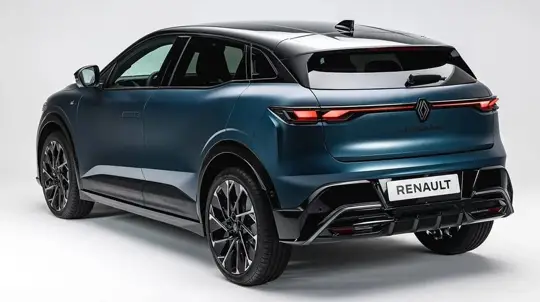
At the more down-to-earth end sits the Renault Twingo: a small and potentially very desirable EV for the budget-minded. It’s being fast-tracked to showrooms quicker than a typical development cycle. 2026 should bring the first proper real-world tests and, possibly, a UK sales start, though timelines could shift. For dense cities, this is the sort of car that tends to win hearts quickly.
And finally, the lone petrol holdout—the Toyota GR GT. It sounds like a farewell to an era: a 4.0‑liter twin‑turbo V8 with 641 hp, more than 850 Nm, and a claimed 320 km/h top speed. Market plans remain unconfirmed, but as the embodiment of a last-hurrah supercar on gasoline, the idea already resonates.
This English edition was prepared using AI translation under editorial oversight by SpeedMe. The original reporting is by Polina Kotikova
Latest Stories