Why Mazda is pushing its in-house EV platform to 2028
 © B. Naumkin
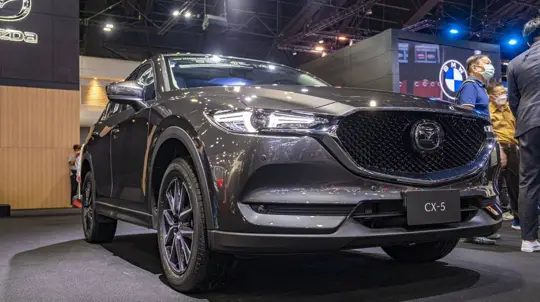
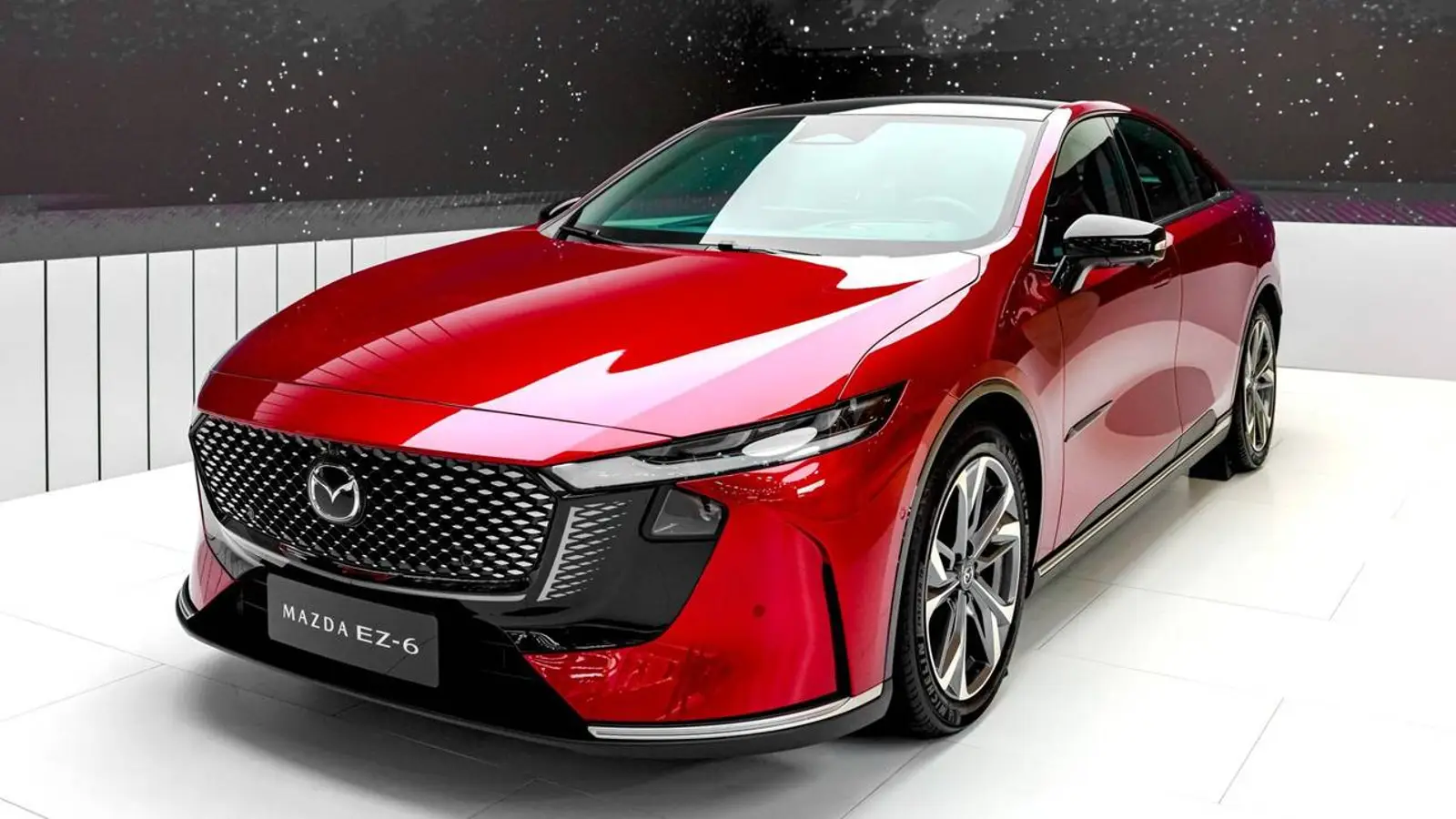
Mazda postpones its in-house EV platform to 2028, citing fast-moving tech and limited resources, while leaning on Changan’s EPA1 for the Mazda 6e and CX-6e.
Author: Nikita Novikov
Mazda has once again revised the timeline for electric models on its own platform. The vehicle once promised for 2025, later pushed to 2027, is now not expected before 2028. The company points to the rapid turnover of technology and finite resources as the reasons.
Why Mazda is slowing its EV plans
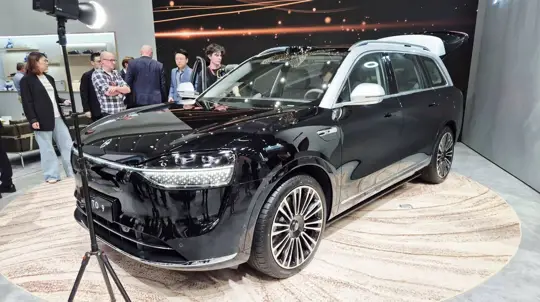
In parallel, the brand is developing models on the Chinese Changan EPA1 platform—this is the basis for the upcoming Mazda 6e and CX-6e. By contrast, Mazda’s in-house EV-Scalable architecture has proved more complex and more expensive to engineer. According to the brand’s European R&D leadership, EV technologies evolve so quickly that earlier engineering choices risk becoming outdated even before launch.
As an independent automaker, Mazda also faces a shortage of people and production capacity—constraints far less noticeable for giants like VW Group. From the outside, this caution reads less like hesitation and more like risk management in a segment where a rushed platform can age prematurely.
Why Mazda still needs its own platform
The new architecture is designed to underpin electric vehicles of different sizes—akin in concept to Volvo’s SPA3 or VW’s MEB. It’s a cornerstone of the brand’s long-term strategy. Balance will be crucial: the future model must avoid overlapping with the CX-6e or replacing it ahead of time.
That separation matters; for a smaller player, sidestepping internal competition is one of the few effective levers.
What comes first
Officially, Mazda hasn’t disclosed the type of the first EV on its own platform. The most likely candidate is a midsize SUV—positioned not as a CX-6e rival, but aimed at a different audience.
It’s a pragmatic path: midsize crossovers can deliver volume, while careful positioning keeps clear space around the CX-6e.
Mazda is moving toward an electric future, but deliberately. In the coming years the brand will lean on Changan’s platform, while the fully fledged, proprietary EV architecture is expected closer to 2028.
This English edition was prepared using AI translation under editorial oversight by SpeedMe. The original reporting is by Nikita Novikov
Latest Stories