Stellantis halts U.S. PHEV sales and shifts to hybrids, EREVs
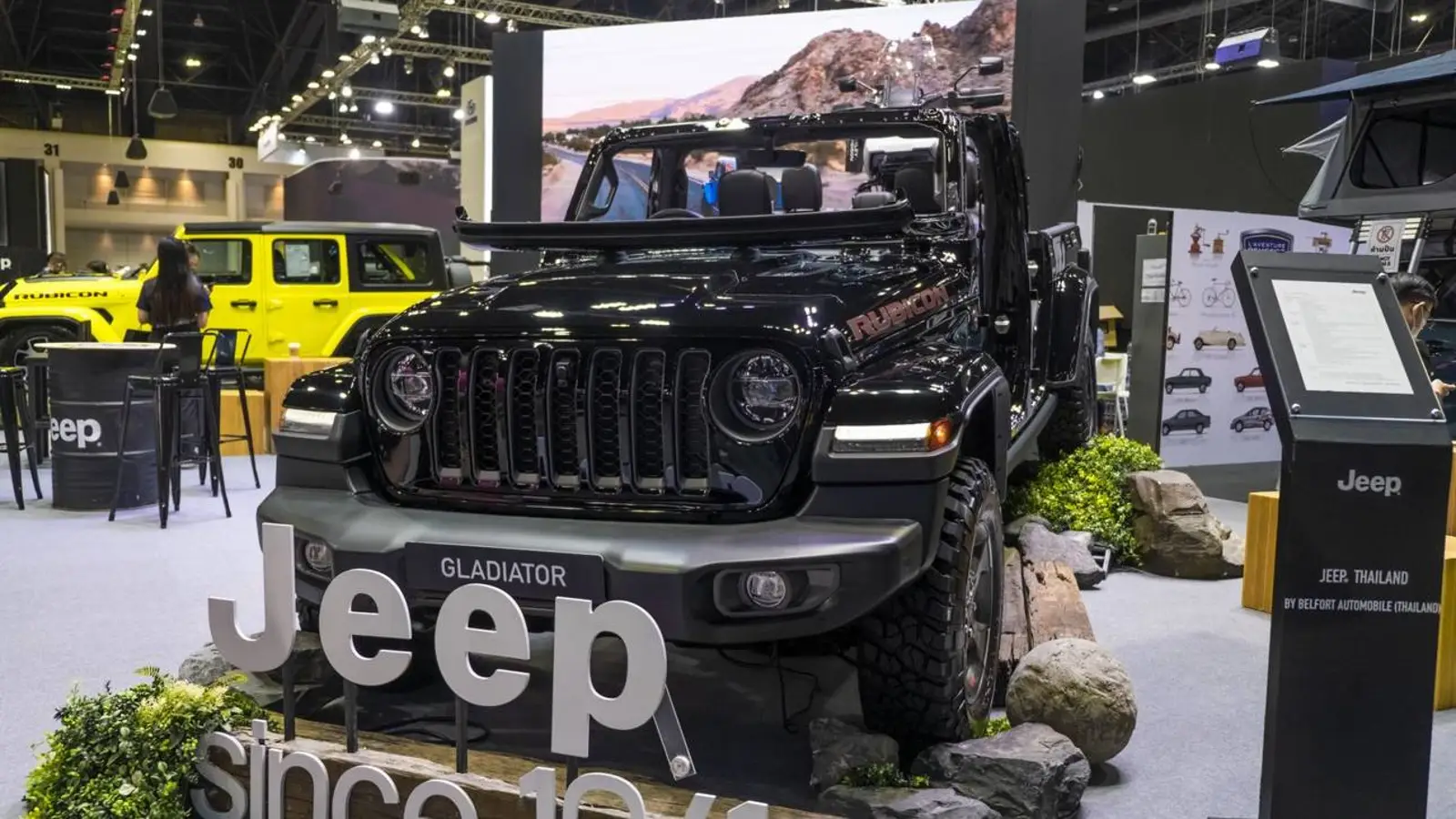 © A. Krivonosov
Stellantis will end U.S. plug-in hybrid sales, including Jeep Wrangler 4xe and Pacifica Hybrid, and pivot to hybrids and EREVs like Ramcharger to rebuild trust.
Author: Daria Kashirina
Stellantis has announced a full stop to U.S. sales of plug-in hybrids (PHEVs), covering such mainstays as the Jeep Wrangler 4xe, Grand Cherokee 4xe, and Chrysler Pacifica Hybrid. The final units will roll off the line as 2025 model-year vehicles.
After that, the company will pivot to conventional hybrids and extended-range electric vehicles (EREVs). While the Jeep Wrangler 4xe held the title of America’s best-selling hybrid for a long stretch, those headline numbers masked serious issues. Hundreds of thousands of vehicles were recalled over battery fire risks and internal-combustion engine defects.
Eroding trust and rising warranty costs pushed a faster rethink. Stellantis is now backing self-charging hybrids and EREVs—exemplified by the upcoming Ram 1500 Ramcharger, where the gasoline engine serves only as a generator. The approach aims to ease drivers’ fear of running out of charge and sidestep the maintenance complexity that often shadows PHEVs. On balance, the pivot trades the compromises of a dual-powertrain setup for a clearer, more straightforward ownership experience.
For Jeep, the move effectively closes the chapter on its zero-emissions freedom messaging. Instead of plug-in hybrids, the brand will promote the electric Recon and Wagoneer S while keeping gasoline versions for loyal buyers. The abrupt wind-down of PHEV programs looks risky, yet it follows a certain logic.
By stepping away from a volatile niche, Stellantis is choosing technologies that read as more dependable and easier to grasp—closer to what many American customers expect today. It’s a conservative turn, but one that could stabilize the lineup and repair confidence.
This English edition was prepared using AI translation under editorial oversight by SpeedMe. The original reporting is by Daria Kashirina
Latest Stories