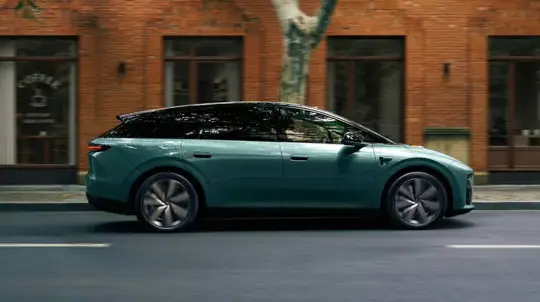
Hyundai integrates polymer solar panels into EV body
 © hyundainews.com
Hyundai’s Solarstic integrates polymer solar panels into EV body, delivering up to 500 W and as much as 80 km/day. Trials on IONIQ 5 signal near-term launch.
Author: Diana Degtyareva
Hyundai has unveiled a development that could change how people see solar panels on electric cars. The focus isn’t on add-on modules, but on fully integrating power-generating elements into the vehicle’s body itself.
How Hyundai’s solar body works
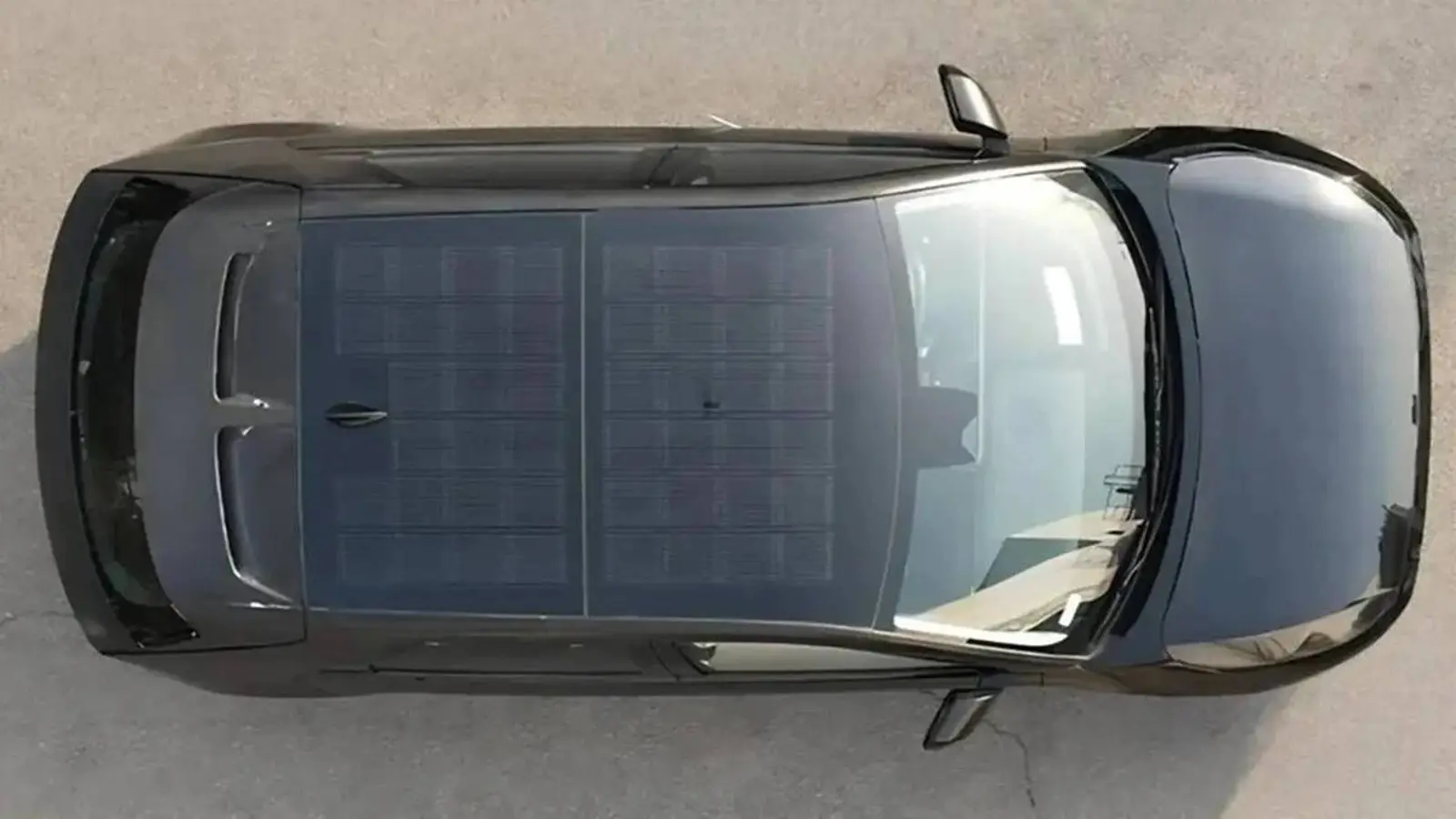
The key to the Solarstic technology is the switch from traditional glass to polymer solar panels. They’re lighter, more flexible, and can be molded into the hood, roof, and other body sections without compromising styling or passive safety. In this setup, the panels become part of the car’s outer skin rather than an accessory bolted on after the fact, which makes the idea feel like a natural design solution rather than a workaround.
Hyundai states the system can deliver up to 500 watts of power. In ideal conditions, that translates to as much as 80 kilometers of extra range per day. On long trips, the panels can offset up to 30 percent of energy use by feeding the traction battery while the car is moving. On paper, the numbers set a high bar; if the execution matches the promise, daily charging routines could become noticeably easier.
Technical hurdles and safety
The main engineering challenge lies in manufacturing. Polymer panels require low-pressure forming because the solar cells remain fragile. To address this, Hyundai developed a special protective interlayer and a gentle molding process that preserves cell integrity and maintains the body’s finish.
For safety, the panels are styled to resemble tinted glass, hiding the solar cells under a black coating. The polymer structure is also softer than glass, which, according to the company, can reduce the risk of injury in collisions involving the hood. In parallel, Hyundai is testing wear-resistant, anti-scratch coatings designed to handle regular car washes and prolonged UV exposure. The approach suggests a focus not only on efficiency, but also on real-world durability—exactly where many experimental ideas tend to stumble.
What it means for the EV market
The technology is already undergoing trials on production models, including the Hyundai IONIQ 5 and the ST1 electric van. Testing both passenger and commercial vehicles hints at broad potential, not a niche experiment.
Though the system is still being refined, Hyundai aims to launch the first production car with integrated solar panels within one to two years. If the stated figures carry over to mass production, the result could ease pressure on charging infrastructure and make everyday EV use more independent. As a concept, treating the body as a generator feels like a step that finally puts solar where it belongs—inside the car’s design, not stuck on top of it.
This English edition was prepared using AI translation under editorial oversight by SpeedMe. The original reporting is by Diana Degtyareva
Latest Stories