2026 will be the turning point for EVs in the U.S. market
 © A. Krivonosov
From affordable EVs to ultra-luxury, 2026 brings 30+ new models, next-gen platforms and 800-volt tech to the U.S. The EV market’s coming of age is here.
Author: Boris Naumkin
Talk of an EV sunset is getting louder, but the reality points the other way. 2026 is shaping up to be the busiest and most consequential year the electric market has seen, especially in the United States.
Why 2026 will be pivotal
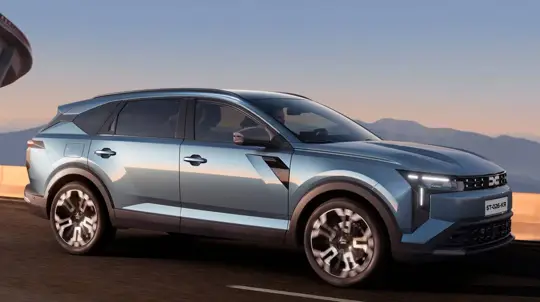
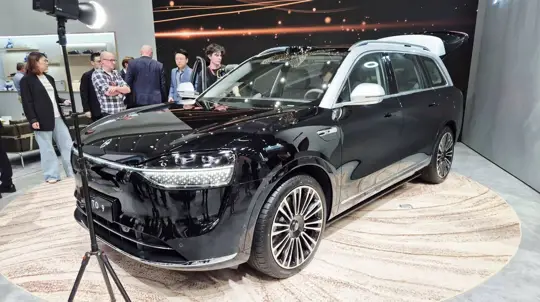
According to SPEEDME.RU reporters, more than 30 new electric vehicles will reach the U.S. market over the course of the year. It’s not just fresh nameplates, but fundamentally new platforms, software architectures, and powertrain formats. EVs are moving past the experimental phase and into a mature, mainstream category with real choice by price, size, and purpose. The shift feels less like a gamble and more like a natural recalibration.
New platforms and technologies
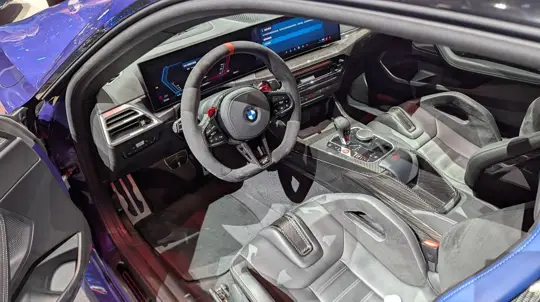
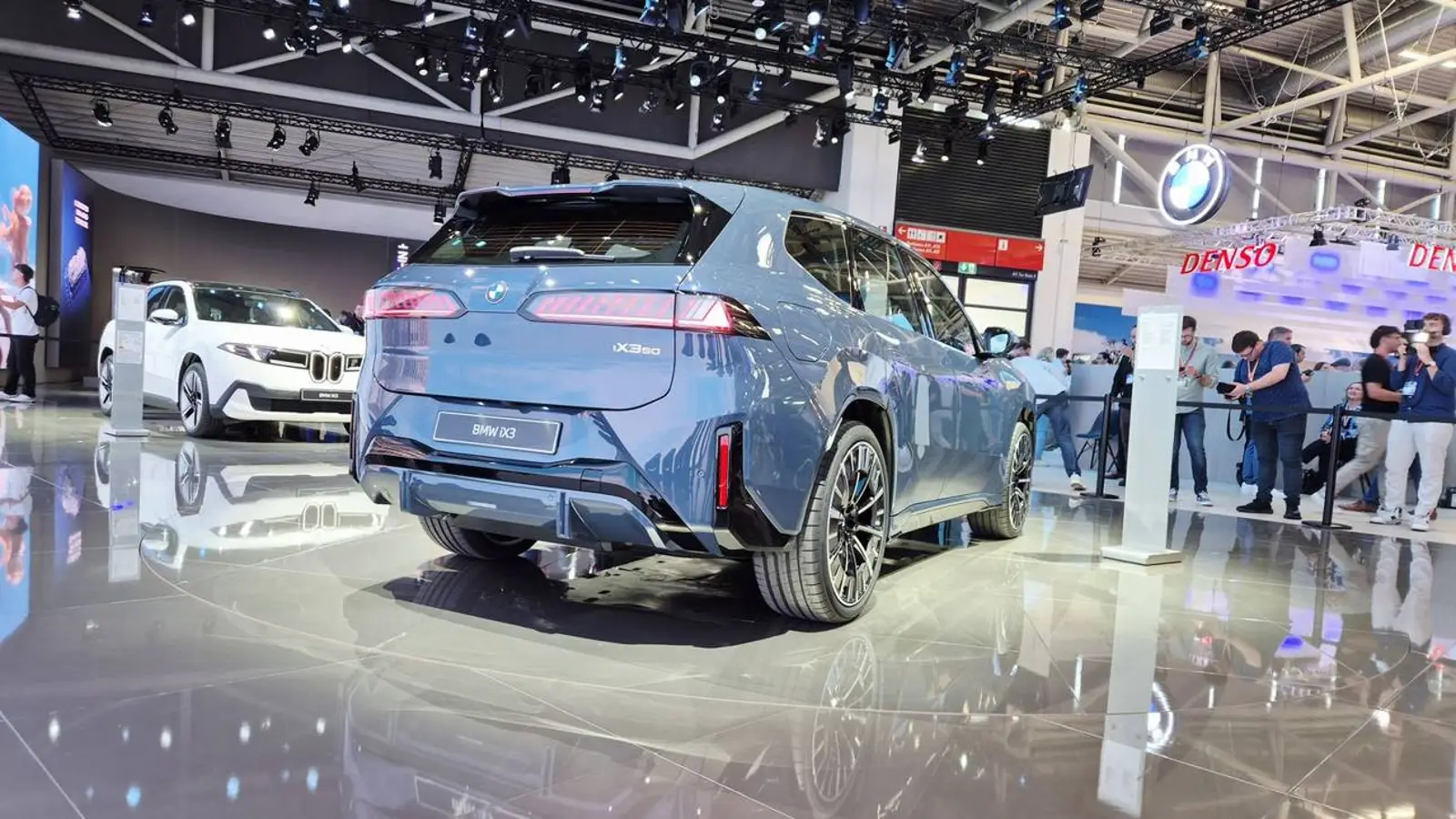
2026 will mark the debut of a full generation of software-defined vehicles. BMW is launching the Neue Klasse, Mercedes is rolling out MB.OS, Honda is bringing the 0 Series, and Volvo and Porsche are adopting 800-volt architectures with charging rates exceeding 300–400 kW. Electric cars are finally starting to outdo combustion not only in performance but also in day-to-day ease of use—exactly where mass adoption is won.
From affordable to ultra-luxury
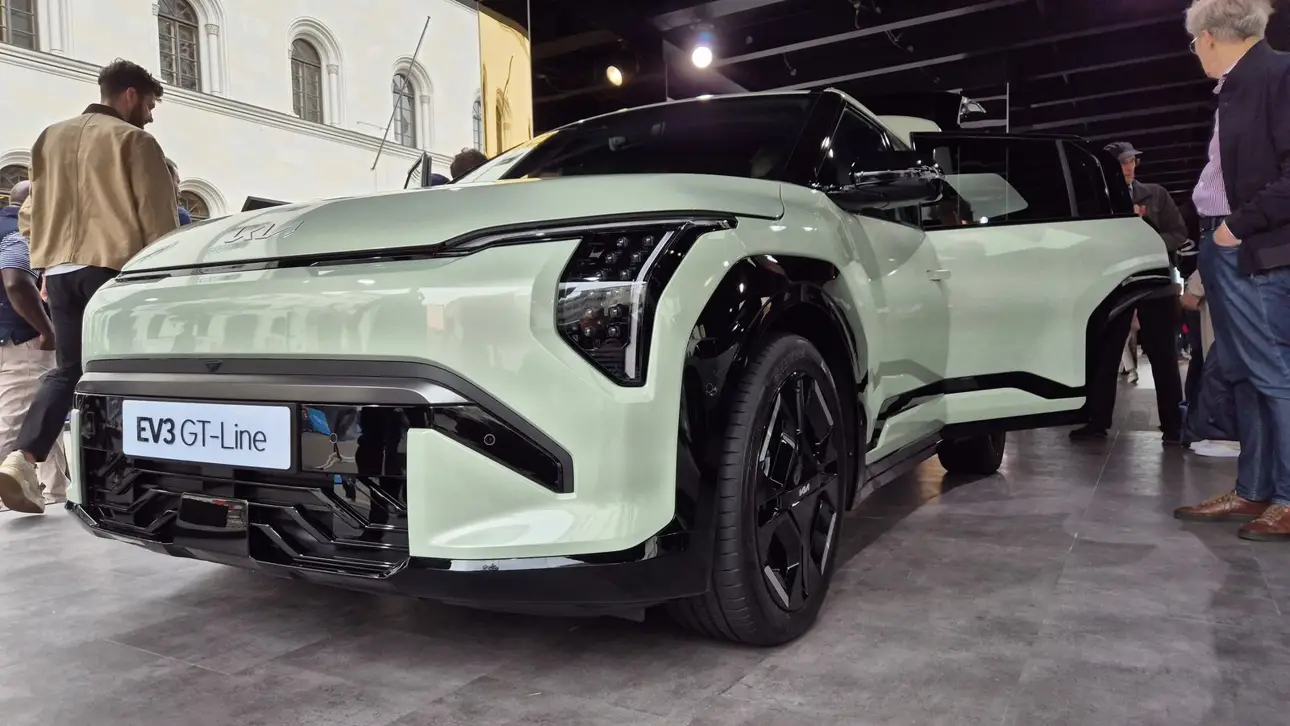
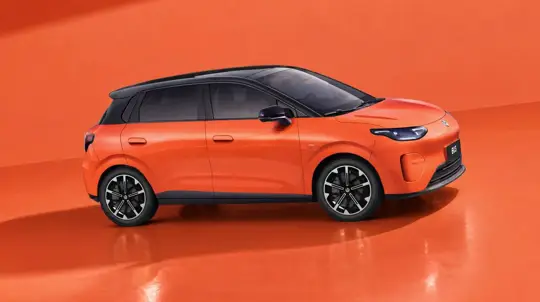
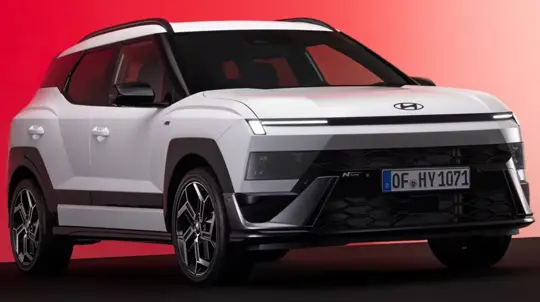
The market is stretching in both directions at once. On one end are attainable entries like the next-generation Chevrolet Bolt, the Kia EV3, and forthcoming EVs from Mitsubishi and Subaru. On the other are ultra-luxury and high-performance machines, including the Ferrari Elettrica, a new generation of Mercedes-AMG models, the Porsche Cayenne Electric, and the Range Rover EV. Electricity no longer limits what a vehicle can be; it simply empowers different formats.
Hybrid compromises and EREV
Models with extended range deserve a closer look, notably the Jeep Grand Wagoneer EREV and the Ram 1500 REV. For large SUVs and pickups, this is a pragmatic transition that lowers emissions without sacrificing utility—an approach that reads as common sense for drivers stepping over from traditional powertrains.
The year’s takeaway
2026 won’t end the EV era—it will mark its coming of age. Electric cars are stepping out of the enthusiast niche and turning into a full-fledged market with competition, choice, and technological variety. That’s why the next year promises to be the most compelling in the history of the electric auto industry. If this momentum holds, the change in narrative should be hard to miss.
This English edition was prepared using AI translation under editorial oversight by SpeedMe. The original reporting is by Boris Naumkin
Latest Stories