Dacia keeps Spring on sale as larger Twingo-based EV arrives
 © dacia.md
Dacia confirms the Spring stays as a budget EV while a larger Twingo-based model launches; both sold in parallel under €18,000, with clear roles and updates.
Author: Diana Degtyareva
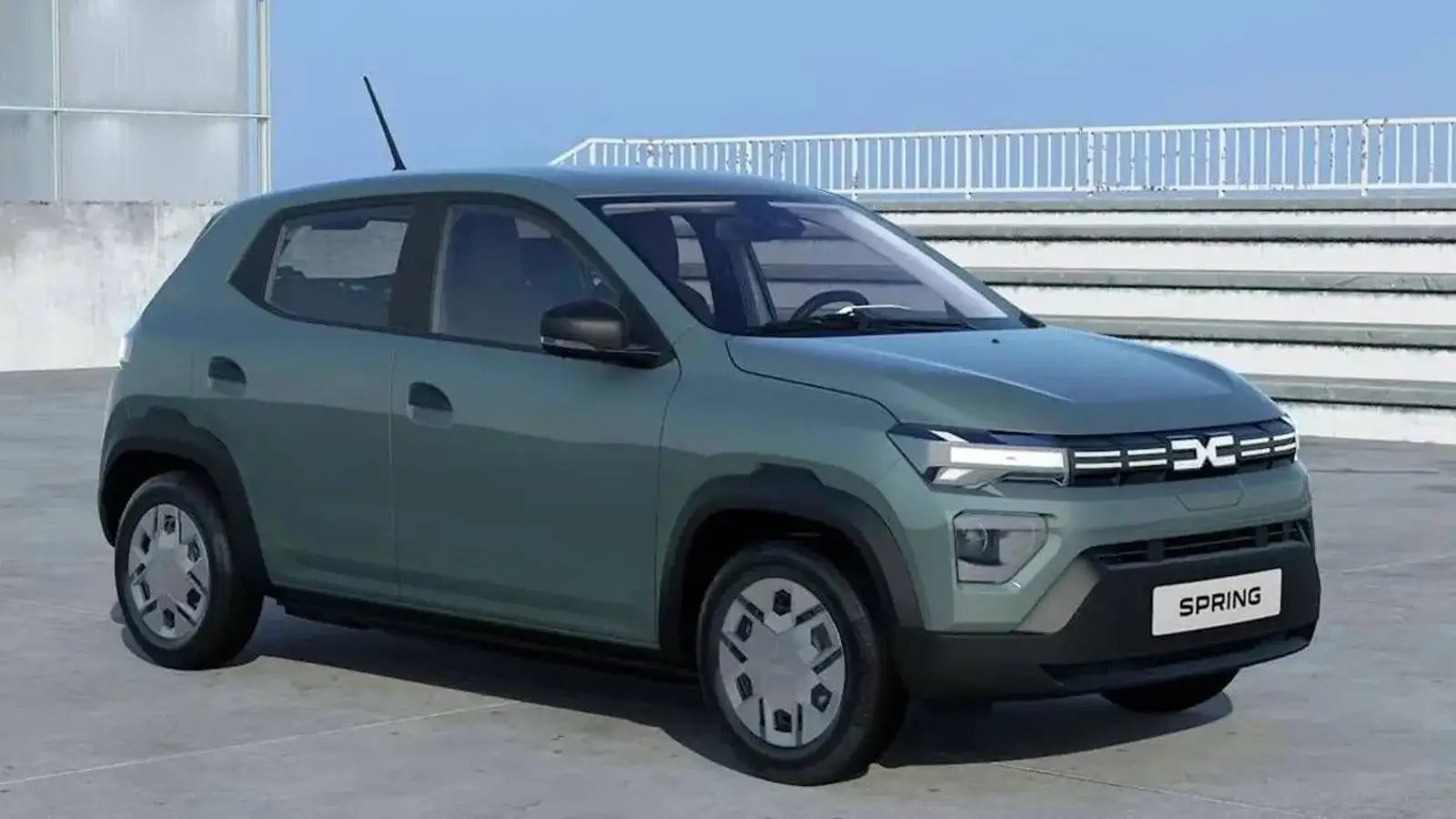
Dacia has officially confirmed it will not immediately pull the Spring from production after launching a new model based on the Renault Twingo. Both electric cars will be sold in parallel for at least a year.
Why Dacia is keeping two EVs
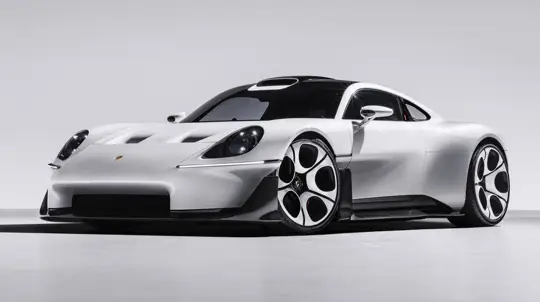
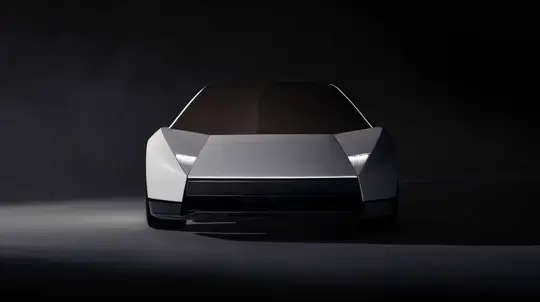
The new city EV will debut this autumn at the Paris Motor Show and reach showrooms by year’s end at a price below €18,000. It is formally positioned as the Spring’s successor, yet the company stresses the cars differ notably in size, design, and market role. The newcomer will be larger, more contemporary, and visually closer to the brand’s crossovers, shaping a clear step up in the lineup rather than a simple replacement.
How Spring differs from the new model
The Spring will remain the most affordable choice, while the newcomer brings a bolder look, European development, and local assembly. That approach helps sidestep tariffs on Chinese electric cars, which directly affect the Spring’s profitability. The price gap will be about £3,000, yet both models will operate in the same A-segment, sharpening the value spread at the entry level.
Why update Spring before replacement
Despite its age, the Spring has just received a substantial refresh. Power climbs to 101 hp, charging is improved, and the suspension tuning has been revised. Dacia frames this as essential to preserving residual values and competitiveness even in the final stage of the model’s life cycle—an approach that keeps interest alive while the new car comes on stream.
Dacia is taking an unconventional path by keeping two urban EVs on sale. The Spring remains the ultra-budget option, while the new model moves forward in design and technology. That gives buyers real choice and offers the brand flexibility as subsidies and demand continue to shift.
This English edition was prepared using AI translation under editorial oversight by SpeedMe. The original reporting is by Diana Degtyareva
Latest Stories