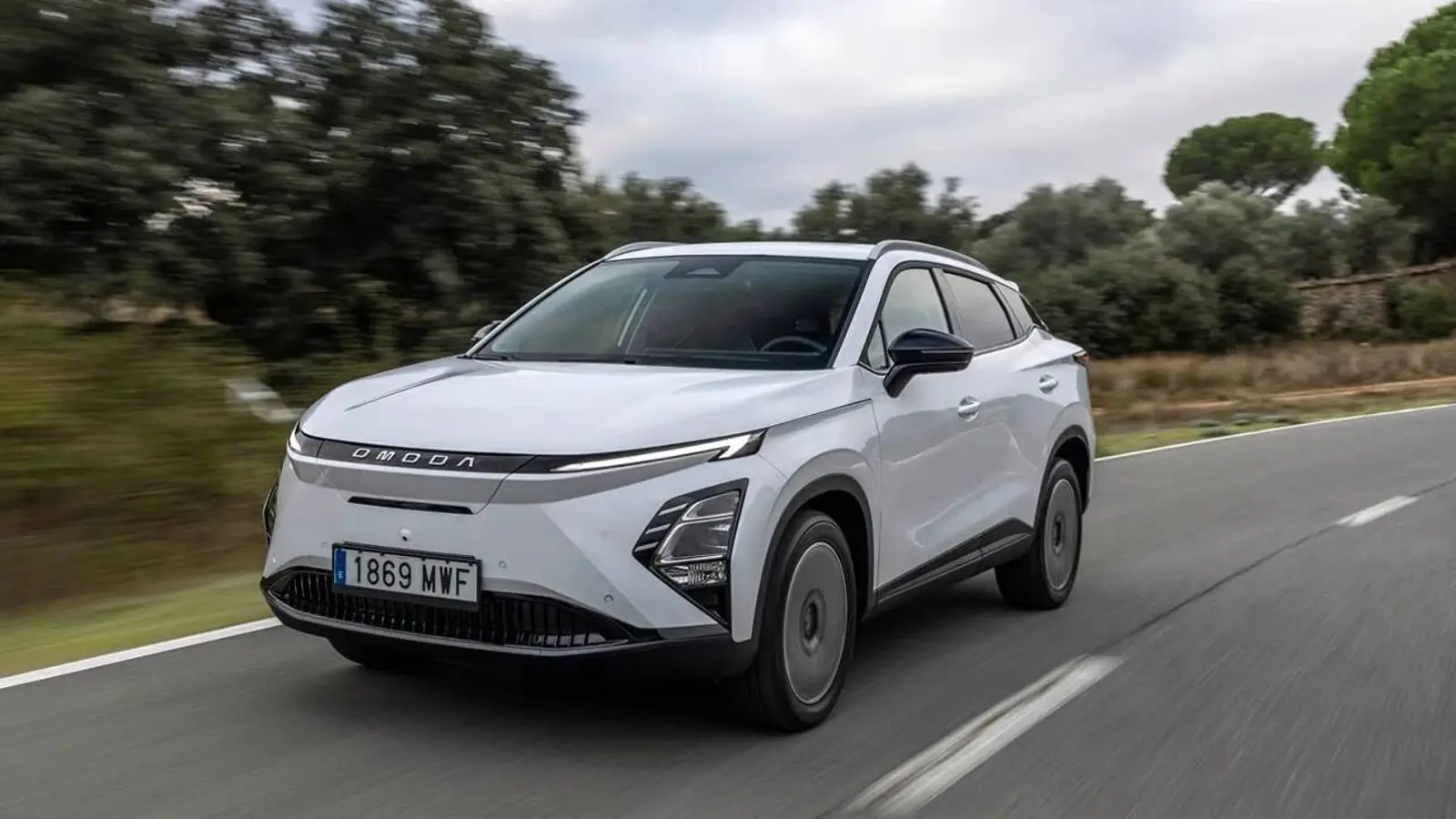
EBRO Omoda 5 EV production delayed by factory changes
 © ebro.eu
EBRO has pushed back the Omoda 5 EV launch to September or October due to structural upgrades at its Barcelona plant, shifting to CKD assembly for sustainable EV production.
Author: Dmitry Novikov
Spanish automaker EBRO has once again adjusted the production timeline for its electric Omoda 5. The delay stems from structural changes at its Barcelona plant, which are tied to a shift toward full-cycle assembly.
From SKD to CKD Assembly
Until now, EBRO has relied on the SKD method, where vehicles arrived from China nearly complete. Starting this spring, the company plans to switch to CKD assembly, involving comprehensive installation of components and assemblies. To support this, the factory is expanding its workforce by 300 employees and launching a new production line. The first model off this line will be the hybrid S400, followed by the S700.
Welding, Painting, and Localization
From June or July, the plant will begin welding and painting operations for vehicle bodies. Looking ahead, metal parts stamping is slated for the former Nissan site in Moncada. EBRO's partner, Chery, has previously outlined plans for a phased localization of the supply chain in the region. This move is expected to enhance production autonomy at the Barcelona facility.
Implications for the Omoda 5 EV
Initially, the launch of the electric Omoda 5 EV and Jaecoo 5 EV was scheduled earlier. However, due to the shift in full assembly timelines, production is now pushed to September or October. In a worst-case scenario, it could be delayed until 2027. The Omoda 5 EV will be the first fully electric vehicle assembled at EBRO Factory.
This delay underscores EBRO's priority of establishing a complete production cycle in Spain. While timelines are shifting, the transition to CKD, along with welding and painting capabilities, lays a foundation for sustainable electric vehicle production and deeper localization in the long term.
This English edition was prepared using AI translation under editorial oversight by SpeedMe. The original reporting is by Dmitry Novikov
Latest Stories