Study reveals cars are losing color, with gray and white dominating
 © Dasha Sysoeva
A study shows colorful car sales dropped from 40% to 20% since 2004, as white, black, gray, and silver now make up 80% of the market. Learn why economic factors drive this monochrome trend.
Author: Diana Degtyareva
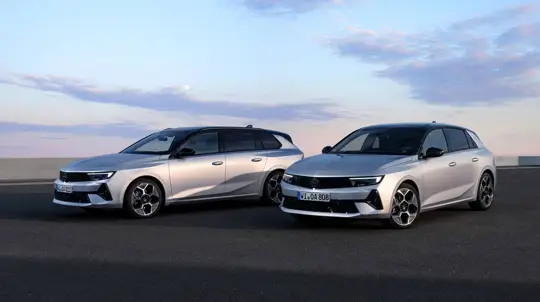
A study by iSeeCars, reviewed by journalists at SPEEDME.RU, reveals a significant shift in the automotive market: cars are becoming less colorful. In 2004, vibrant body colors accounted for nearly 40% of sales, but today that share has dropped to 20%. The market is rapidly turning monochrome, with white, black, gray, and silver now dominating the roads. Combined, their share has increased from 60% to 80%, signaling the near extinction of colorful vehicles.
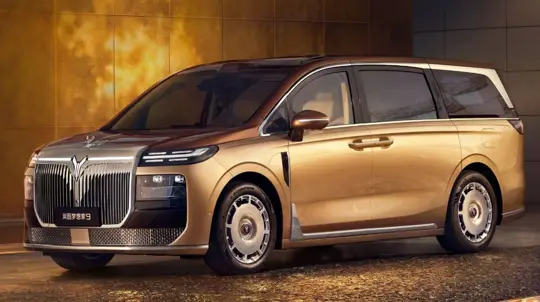
Analysts examined over 20 million cars produced between 2004 and 2023. Gray showed the most impressive growth, increasing its share by 81.9%. White also gained ground, becoming the most popular color thanks to fleet and corporate buyers. In contrast, silver is rapidly losing appeal, having more than halved in popularity. All colorful body options, including red, blue, green, and yellow, have declined; the most dramatic losses were seen in gold, purple, brown, and beige.
Interestingly, this decline in diversity isn't due to limited choice: manufacturers offer nearly as many colors as they did two decades ago. However, dealers increasingly order "safe" shades that are easier to resell, and buyers opt for body colors that retain value on the used market. As a result, economic factors are outweighing individual style.
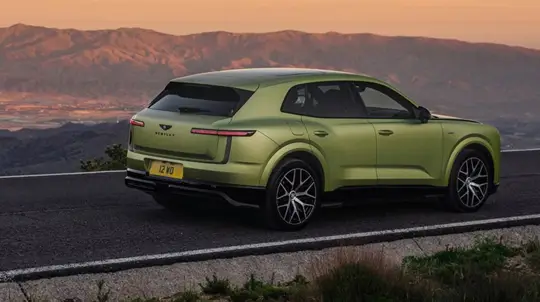
The only shade showing a slight uptick in recent years is green. It remains niche but hints at a trend toward "natural" colors making a comeback. Sports cars still stand out: here, the share of bright colors is higher, and white and gray aren't growing as aggressively.
Experts believe the market may soon reach a "gray saturation" limit. The question is whether colorful palettes will return or the industry will remain firmly monochrome.
This English edition was prepared using AI translation under editorial oversight by SpeedMe. The original reporting is by Diana Degtyareva
Latest Stories