Trump allows Chinese brands in U.S. with strict local production rules
 © whitehouse.gov
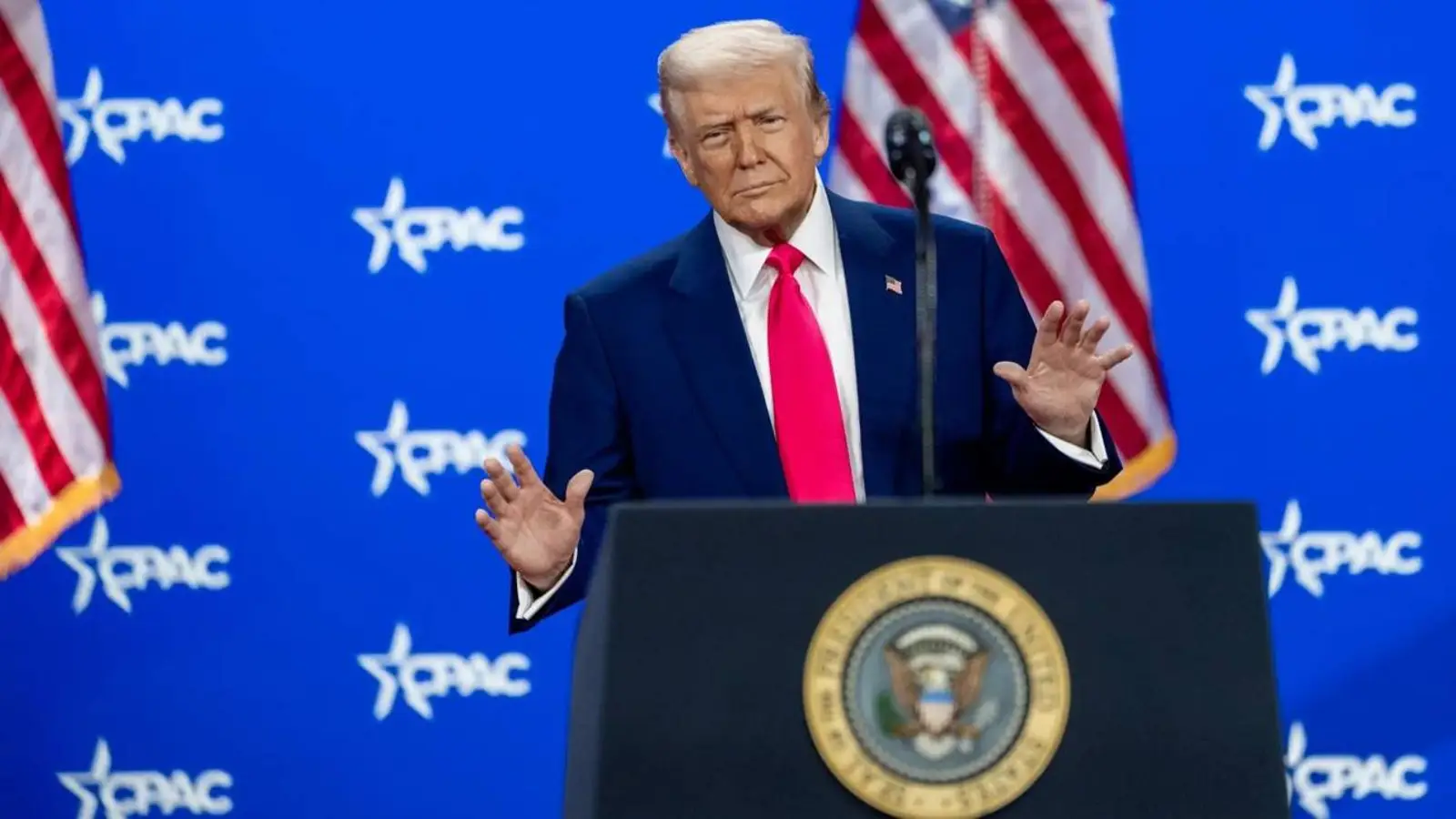
U.S. President Donald Trump now permits Chinese EV brands like BYD and Geely to enter the U.S. market if they build factories and create American jobs, easing tariffs.
Author: Diana Degtyareva
U.S. President Donald Trump has made a statement that sharply contrasts with his previous anti-China rhetoric. He is now willing to allow Chinese brands into the country—but only under strict conditions that benefit the U.S. economy.
Key Aspect
Speaking at the Detroit Economic Club, Trump emphasized that he is ready to welcome Chinese and Japanese companies to the U.S. if they build factories and create jobs for Americans. This stance appears unexpected after a series of tariffs and restrictions the U.S. imposed on China in 2024–2025.
Nevertheless, a recent meeting between Trump and Chinese President Xi Jinping demonstrated a desire for more stable relations.
Technical and Market Details
The main condition for Chinese electric vehicles is local production. Only this way can they bypass strict tariff barriers. However, the question remains open: will authorities allow the large-scale involvement of Chinese specialists in the initial stages, as is happening in Europe?
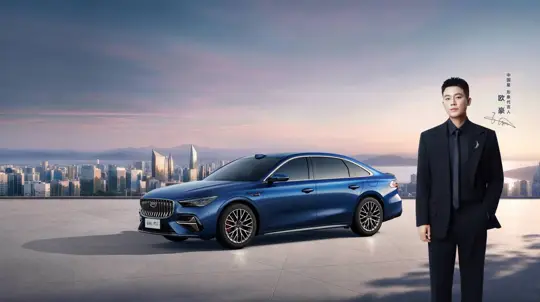
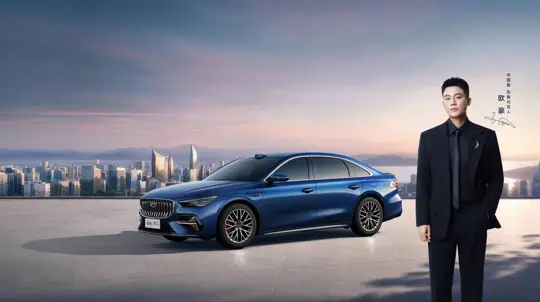
It is already known that Geely is exploring the possibility of entering the U.S. market, and BYD and Xiaomi are also considering this scenario. Meanwhile, the domestic auto industry—Ford, GM, and Tesla—might greet such a move without much enthusiasm.
Consequences
Trump's position reflects a combination of pragmatism and political maneuvering. On one hand, the U.S. is interested in investments and jobs; on the other, it fears increased Chinese competition.
The situation is complicated by the fact that Ford is already negotiating with BYD over battery supplies, which has drawn sharp criticism from Trump advisor Peter Navarro, who accused the Chinese company of 'predatory pricing.'
This English edition was prepared using AI translation under editorial oversight by SpeedMe. The original reporting is by Diana Degtyareva
Latest Stories