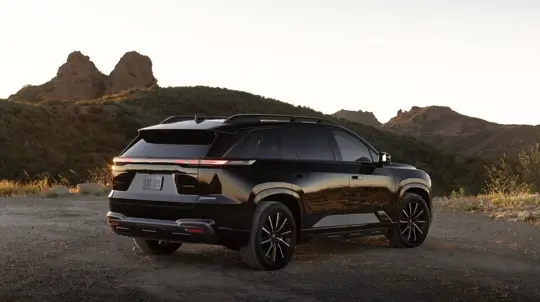
Why Toyota keeps selling old car models for decades
 © global.toyota
Learn why Toyota sells models developed 10, 20, and 40 years ago, from Lexus IS to Land Cruiser 70, driven by demand and simplicity.
Author: Polina Kotikova
While competitors rush to update their lineups, Toyota takes a paradoxical approach: it keeps selling models developed 10, 20, and even 40 years ago. This isn't a developmental misstep but a deliberate strategy, driven by sustained demand and the simplicity of maintenance that millions of buyers value.
Lexus IS and Yaris Sedan: Maturity in Premium and Mass Segments
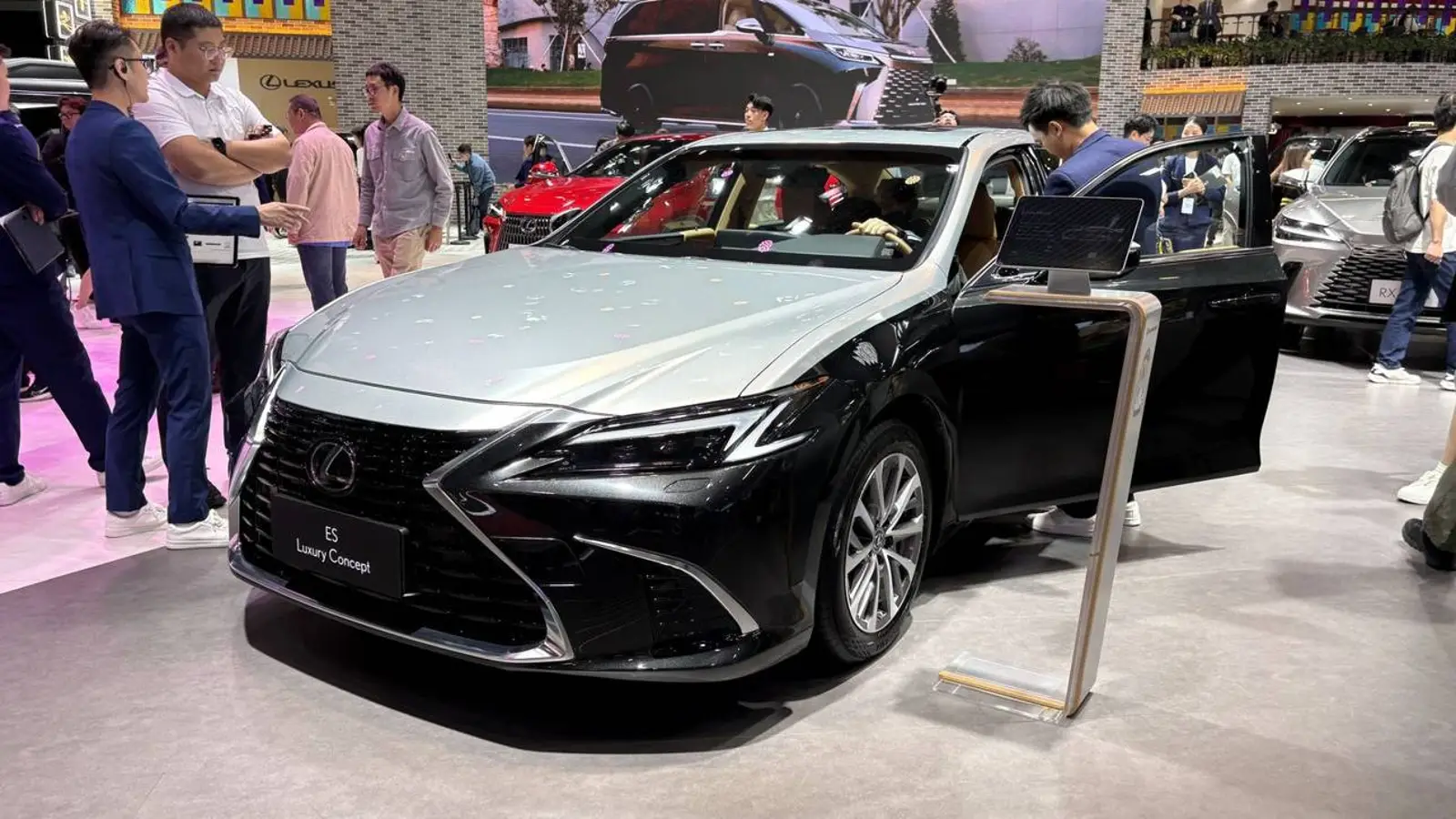
The Lexus IS remains one of the oldest cars among global premium brands. The current generation launched in 2013 and, after three updates, is technically considered "new," though its platform and proportions are unchanged. The model continues to be popular in the U.S. and Asia, where customers appreciate the blend of older mechanics with modern cabin and interface upgrades.
The Yaris Sedan/Vios, a hit in Southeast Asia, has also held on since 2013. Despite the arrival of a new generation, Toyota kept the previous model in production—dealers aren't ready to give up sales of a well-known, affordable design.
LiteAce and Hiace: The Commercial Segment Where Time Stands Still
The Toyota LiteAce, introduced in 2007, remains in steady demand for business use, bought for its reliability, ruggedness, and low operating costs. Commercial vehicles only get updates when necessary, and demand for the basic design stays high.
The 2004 Hiace is even more telling. Despite the launch of a modern front-engine Hiace, the classic version continues production for Japan and several Asian markets. Updates are minimal—a few tweaks to lights, bumpers, and electronics—but its iconic reputation and ease of repair make the model virtually immortal.
Land Cruiser 70: A Legend That Has Outlasted Eras
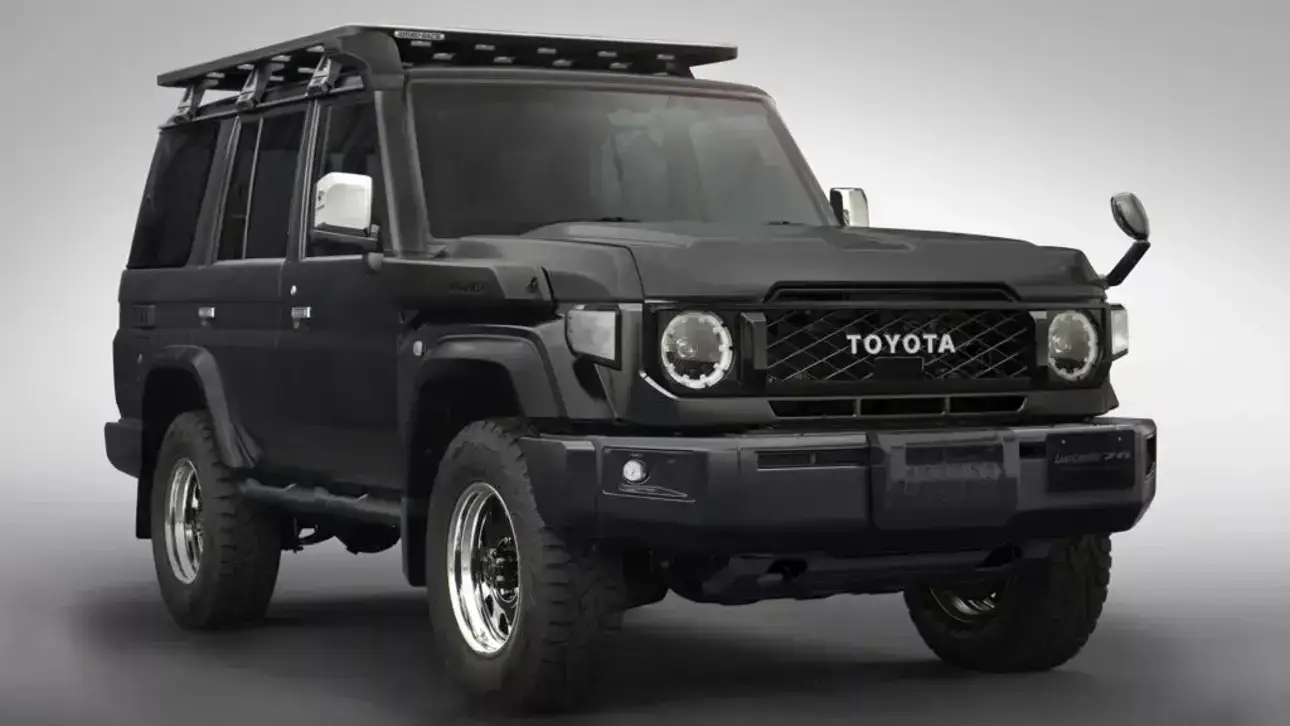
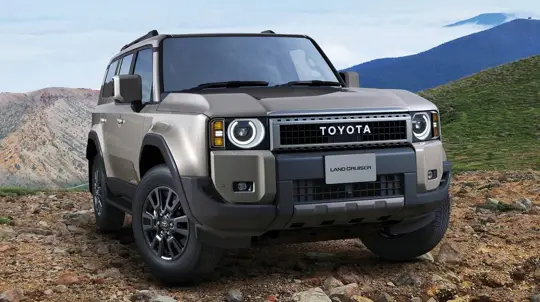
Toyota's ultimate long-runner is the Land Cruiser 70. Launched in 1984, it has not only outlived its predecessor but become a unique phenomenon in the automotive market. In 2026, the model will mark 42 years of production—and demand is growing.
In Australia, the Middle East, and Africa, the Land Cruiser 70 is seen not as an outdated vehicle but as a tool: simple, tough, and durable. The latest 2023 refresh only softened the interior and added modern safety systems, leaving the core construction unchanged.
This English edition was prepared using AI translation under editorial oversight by SpeedMe. The original reporting is by Polina Kotikova
Latest Stories