New BMW X5 G65: design, engines, and tech for 2026
 © www.press.bmwgroup.com
BMW X5 G65 debuts in 2026 with Neue Klasse design, diverse engines including electric and hydrogen, and advanced tech. Learn about its features and future.
Author: Polina Kotikova
The new BMW X5 has once again been spotted by spy photographers. The G65 generation is scheduled to debut in summer 2026, and according to preliminary information, this SUV will become one of the most versatile and technologically advanced models in the brand's history.
New design in the Neue Klasse style
Despite heavy camouflage, the prototype reveals key exterior changes. The X5 moves away from the complex surfaces of the current model toward cleaner, more refined lines. The front end has become stricter and more vertical, with a redesigned double kidney grille and slimmer headlights. The sides appear simpler and visually lighter, while flush door handles emphasize the shift toward modern minimalism borrowed from the iX3 and Neue Klasse concepts.
Maximum engine variety
The main feature of the new X5 is its wide range of powertrains. Gasoline and diesel versions will remain in the lineup, with diesel primarily targeting the European market. These will be supplemented and eventually replaced by plug-in hybrids and a fully electric version, all built on the same platform as the conventional models. This approach highlights BMW's move away from abrupt transitions and toward flexibility.
Hydrogen and the model's future
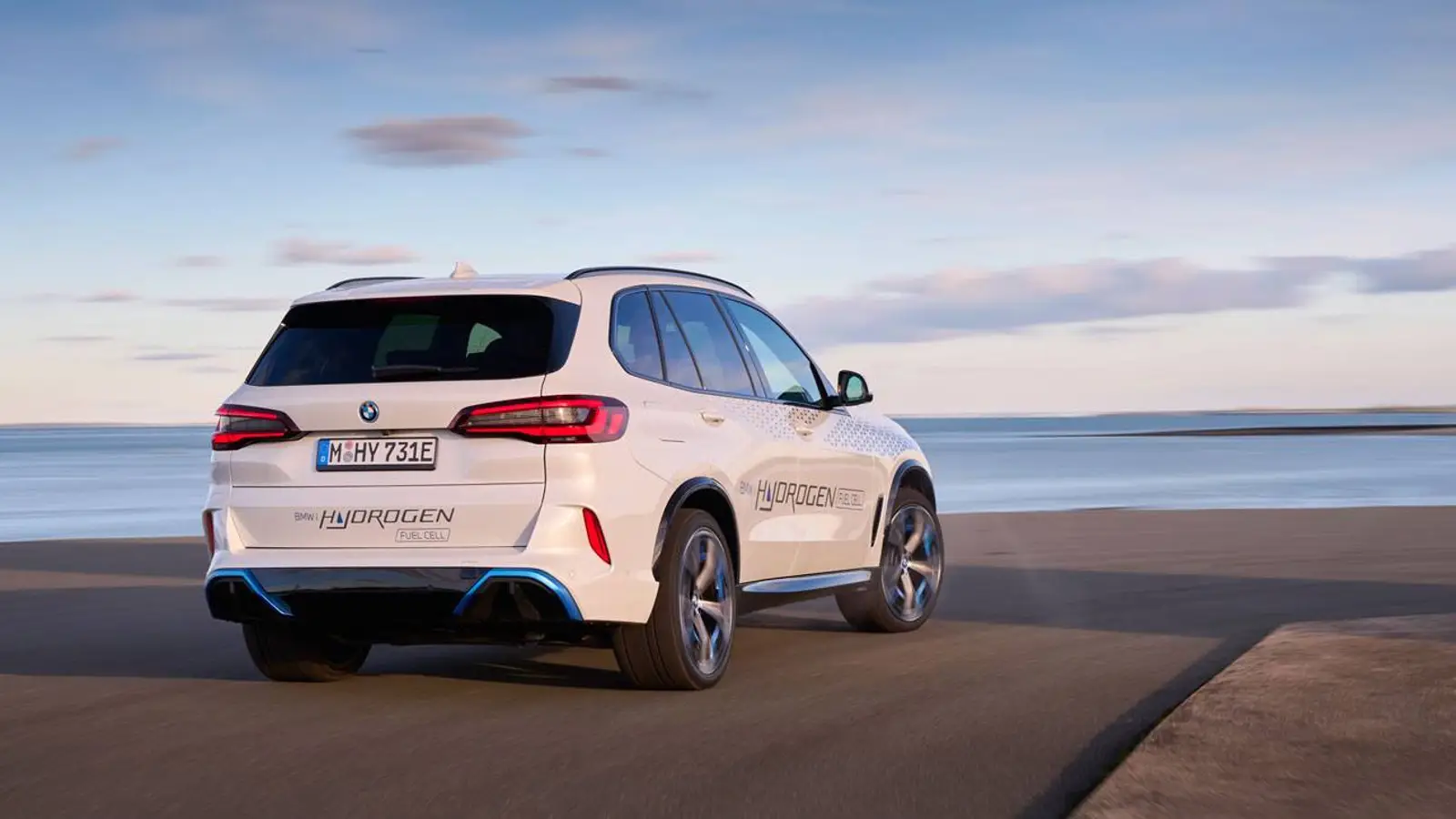
The most ambitious direction will be the iX5 Hydrogen, developed jointly with Toyota. This fuel cell version is expected no earlier than 2028 and will only be available in regions with developed hydrogen infrastructure. An electric version with a range extender is also possible.
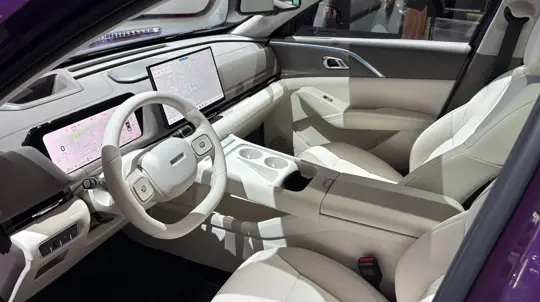
The interior of the prototypes remains hidden, but a radical cabin update is anticipated, featuring a large central display, the Panoramic Vision projection system, and a minimal number of physical buttons.
This English edition was prepared using AI translation under editorial oversight by SpeedMe. The original reporting is by Polina Kotikova
Latest Stories