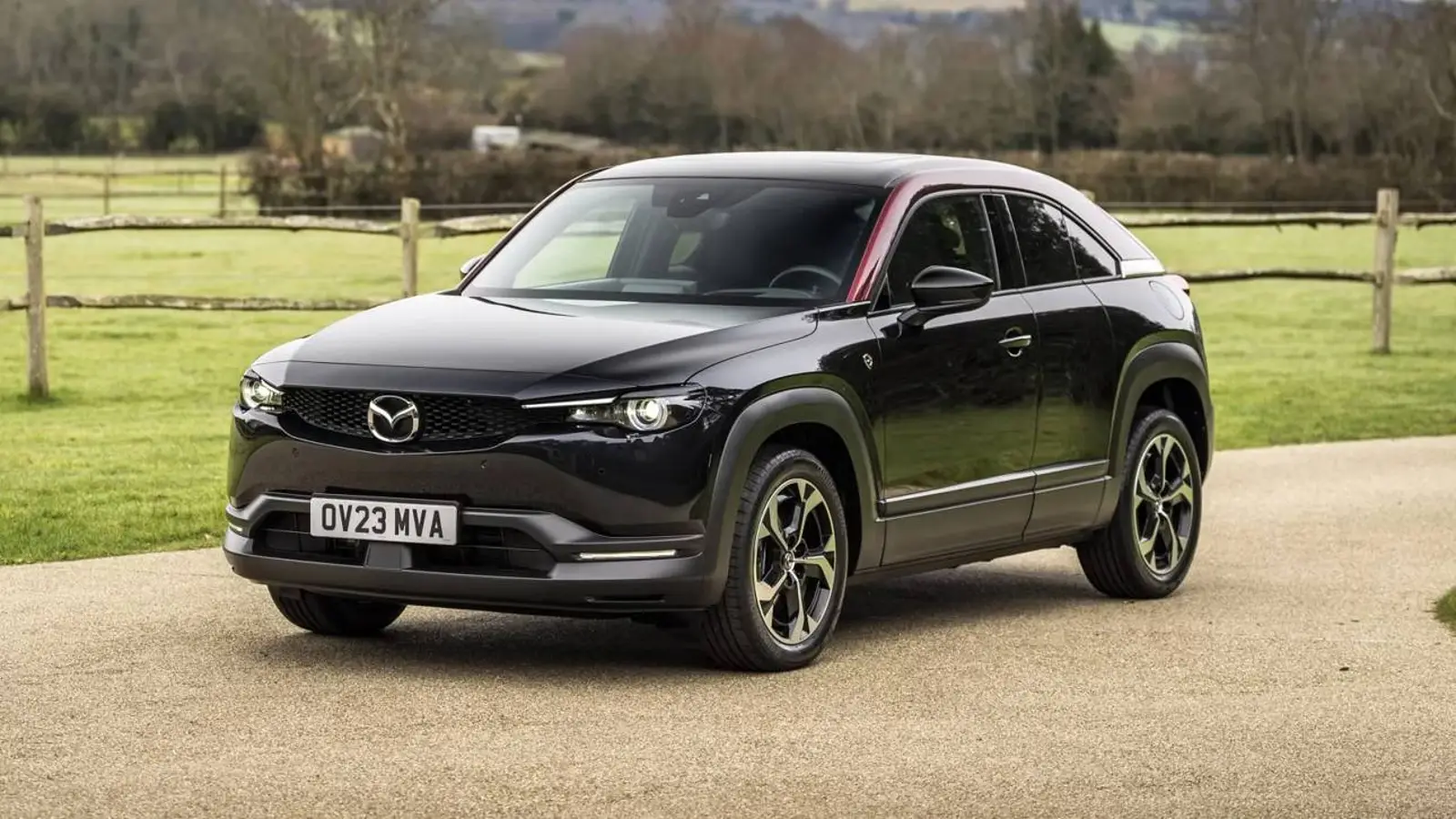
Mazda discontinues MX-30 R-EV hybrid in Europe
 © mazda.eu
Mazda has stopped selling the MX-30 R-EV in Europe due to poor sales and shifting market trends. Learn why this rotary range extender failed and what's next for Mazda.
Author: Nikita Novikov
Mazda has officially ended sales of the MX-30 R-EV in Europe. This hybrid electric vehicle with a rotary range extender lasted just two years on the market, becoming one of the brand's most unusual yet least successful projects in the region.
Why Mazda discontinued the MX-30 R-EV
According to Autocar, the company cites several reasons: shifting consumer preferences, market trends, and production priorities. In simple terms, the model failed to attract enough buyers. In the UK, only 678 units were sold since its 2024 launch—a figure that's hard to call viable for the European market.
The situation worsened with a broader decline in interest for niche electrified models featuring unconventional powertrains. Buyers increasingly opt for either full electric vehicles with large batteries or traditional hybrids that don't require plug-in charging.
The idea behind the MX-30 R-EV
The MX-30 R-EV marked Mazda's first production vehicle with a rotary engine since the RX-8, which ended production in 2012. Its single-rotor 830 cc engine served solely as a generator to recharge the battery, while the wheels were always driven by an electric motor producing 125 kW and 260 Nm of torque.
Technically classified as a plug-in hybrid, the model drove like an electric car. The concept aimed at urban use with the capability for longer trips without range anxiety.
Why the concept didn't work in Europe
Despite its originality, the MX-30 R-EV faced several practical issues. Its price was comparable to full electric vehicles, yet its electric-only range was limited. Additionally, its compact size, unusual door layout, and specific positioning made it a tough sell for mainstream buyers.
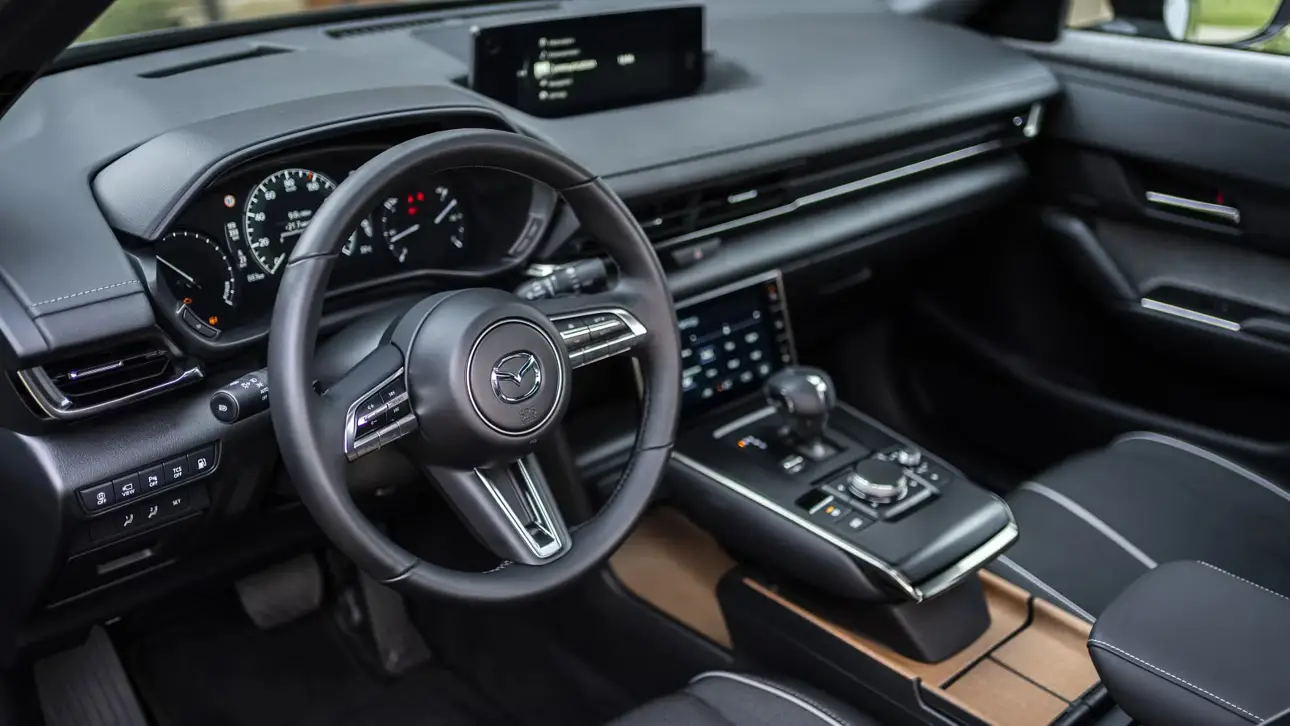
As a result, the MX-30 R-EV was squeezed between more practical electric vehicles and familiar hybrids, failing to carve out a clear niche.
What Mazda does next
Importantly, discontinuing the MX-30 R-EV in Europe doesn't mean Mazda is abandoning rotary technology altogether. The brand continues to develop the rotary theme in concepts like the Iconic SP and Vision X-Coupe, and the MX-30 itself will remain in Japan in mild-hybrid and rotary range-extender versions.
Meanwhile, in Europe and other key markets, Mazda is shifting focus to the 6e and CX-6e electric vehicles, developed jointly with China's Changan. The company's first fully in-house electric vehicle, created without partner reliance, isn't expected before 2028.
This English edition was prepared using AI translation under editorial oversight by SpeedMe. The original reporting is by Nikita Novikov
Latest Stories