GM's gaze-based lane change system: how it works and benefits
 © RusPhotoBank
General Motors has filed a patent for technology that allows cars to change lanes based on the driver's gaze direction, using interior cameras and ADAS sensors.
Author: Diana Degtyareva
General Motors has filed a patent application for technology that allows a car to initiate a lane change based on the driver's gaze direction. The system analyzes data from interior cameras and matches it with the road situation, then can automatically change lanes without using a turn signal or active steering actions.
This isn't about full self-driving, but rather an evolution of existing driver assistance systems that already maintain lane position, adapt speed, and perform semi-automatic maneuvers.
How the gaze-based lane change system works
The solution tracks the driver's head and eyes. If the system detects a sustained gaze toward an adjacent lane and deems conditions safe, it can interpret this as an intention to change lanes. Then, steering and trajectory control assistants take over to execute the maneuver.
The technology uses existing cameras already employed for driver attention monitoring, along with sensors and radars from ADAS systems that assess the surrounding environment.
Connection to modern driver assistance systems
In practice, this logic isn't revolutionary. Many modern cars can already change lanes with a brief tap of the turn signal, and some systems automatically overtake slow traffic on highways. GM's new patent simply proposes replacing the physical signal with the driver's gaze.
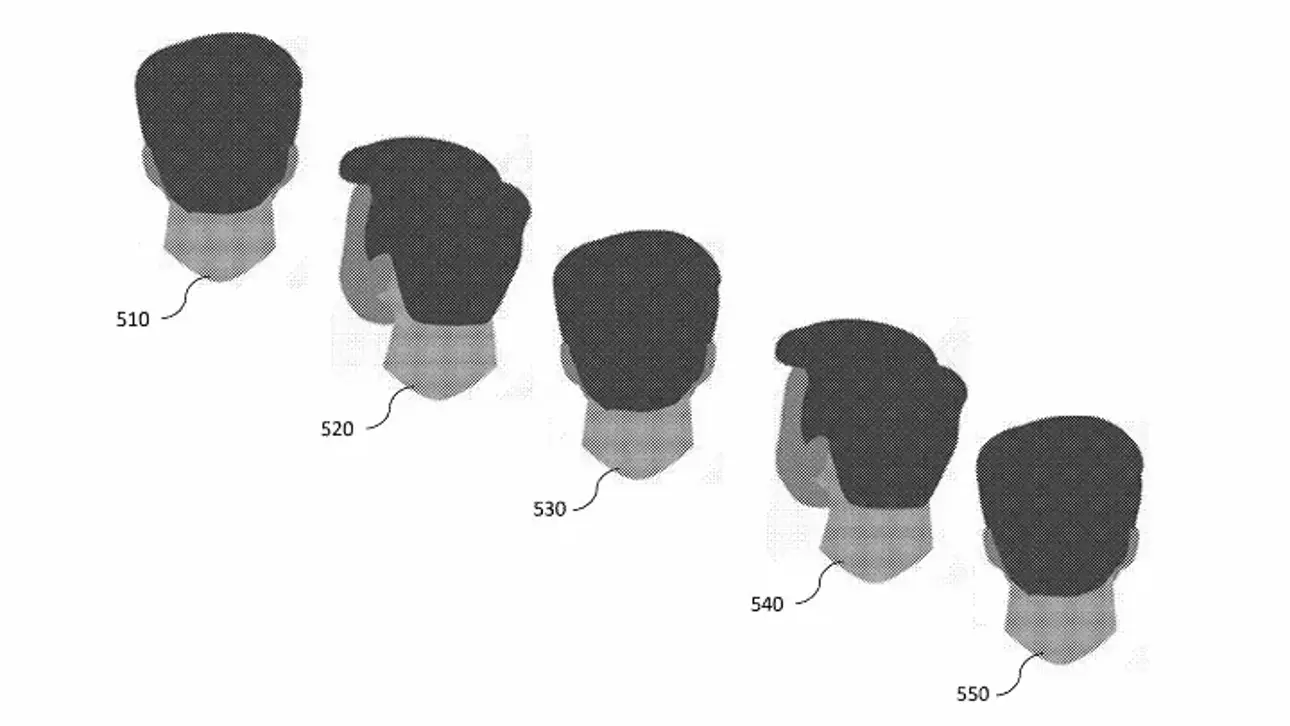
Responsibility for the maneuver remains with the human driver, and the system doesn't relieve the driver of the need to monitor the situation.
Who might benefit from this technology
The most obvious application scenario is assisting drivers with limited mobility who find traditional steering or control lever actions challenging. In this case, gaze control could simplify the driving process and enhance vehicle accessibility.
For most drivers, practical benefits appear less clear since traditional controls are already intuitive and don't require significant effort.
What the patent means for future cars
Like many automaker patents, this technology doesn't guarantee mass production. Companies often register ideas at an early stage to establish priority and protect against competitors. However, the very existence of such a patent shows the direction GM is considering for the development of control interfaces and driver assistance systems.
This English edition was prepared using AI translation under editorial oversight by SpeedMe. The original reporting is by Diana Degtyareva
Latest Stories