Why Subaru Crosstrek and WRX missed top IIHS safety awards
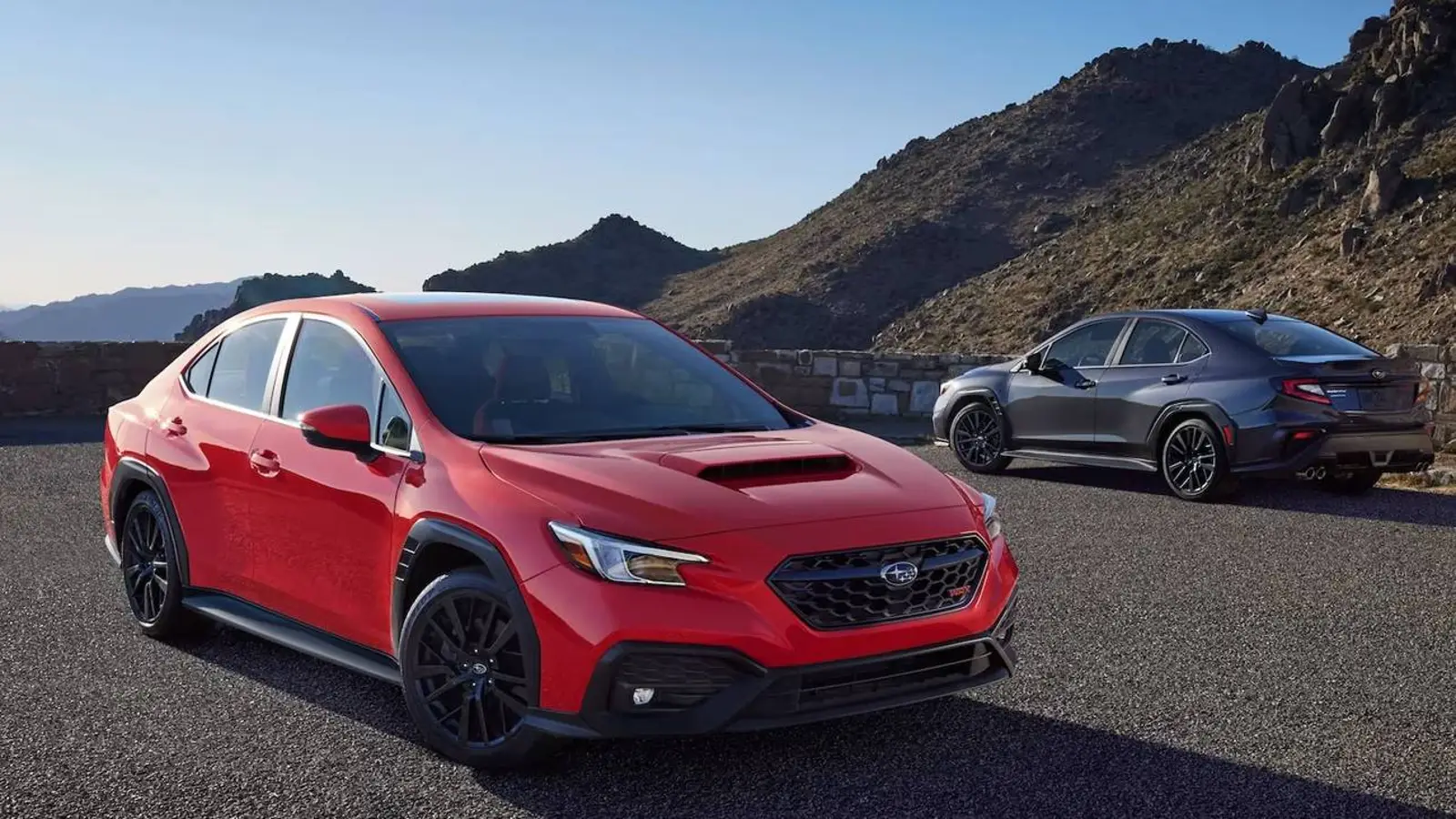 © subaru.jp
Learn why Subaru Crosstrek and WRX failed to qualify for top IIHS awards in 2026 tests due to rear-seat passenger safety issues, including seatbelt risks.
Author: Nikita Novikov
The Insurance Institute for Highway Safety (IIHS) has revised its vehicle evaluation methodology for 2026, with a focus on protecting rear-seat passengers. This update explains why two popular Subaru models—the mainstream Crosstrek and niche WRX—failed to qualify for top awards, despite maintaining high ratings in other categories.
What the WRX tests revealed
The WRX has undergone several seatbelt updates in recent years, but the revised test uncovered a recurring risk: during impact, the lap belt shifts from the pelvis to the abdominal area. This increases injury likelihood and prevents the restraint system from properly distributing forces. In practice, this means the sports sedan recorded weak results in chest protection and dummy movement, automatically disqualifying it from award consideration.
Why the Crosstrek's issue stands out
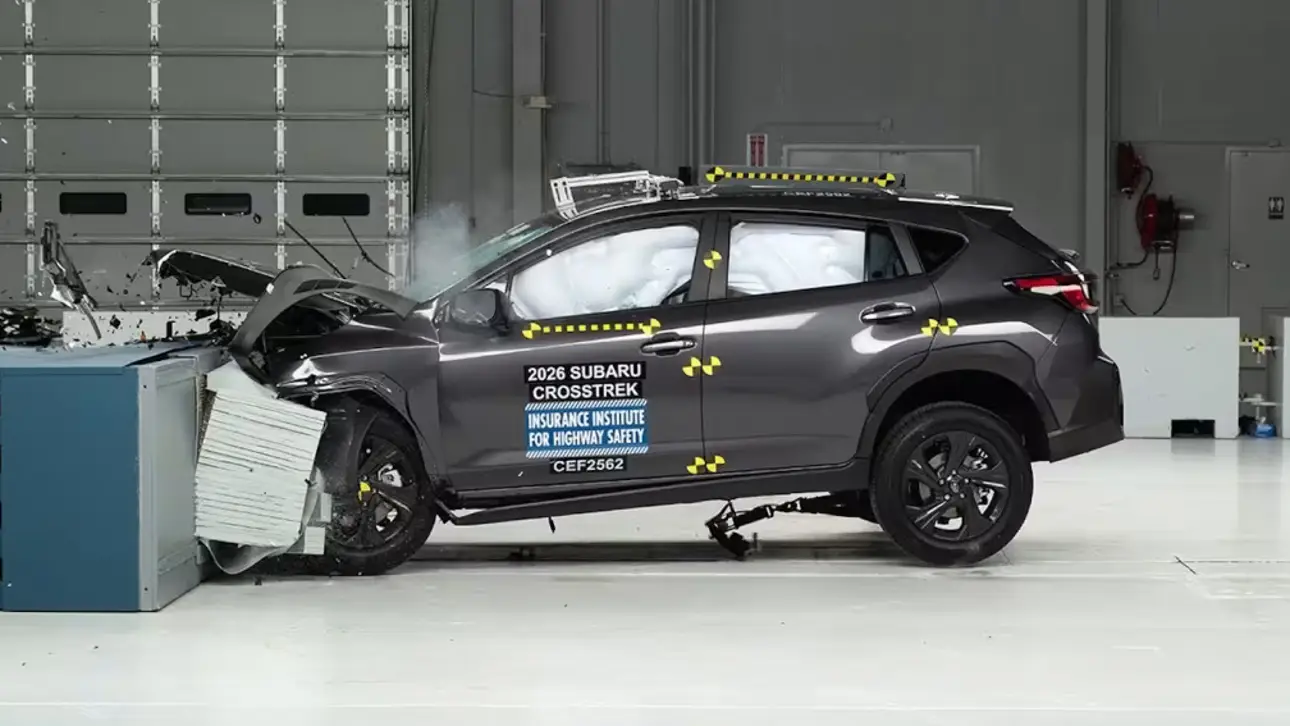
Since the Crosstrek sells in huge volumes, its results carry particular weight. Despite updated rear seatbelts, the effect was the same: in a frontal overlap crash, the belt failed to stay in the correct zone. The vehicle received identical ratings to the WRX—acceptable chest protection and a marginal score for passenger positioning control.
What this means for Subaru's reputation
The brand, with its long safety heritage, maintains high performance across all other tests, and this isn't about fundamental flaws. However, the new IIHS standards highlight nuances that become critical in the race for top ratings. For Subaru, the takeaway is clear: further adaptation of rear passenger restraint systems to meet the updated requirements is needed.
This English edition was prepared using AI translation under editorial oversight by SpeedMe. The original reporting is by Nikita Novikov
Latest Stories