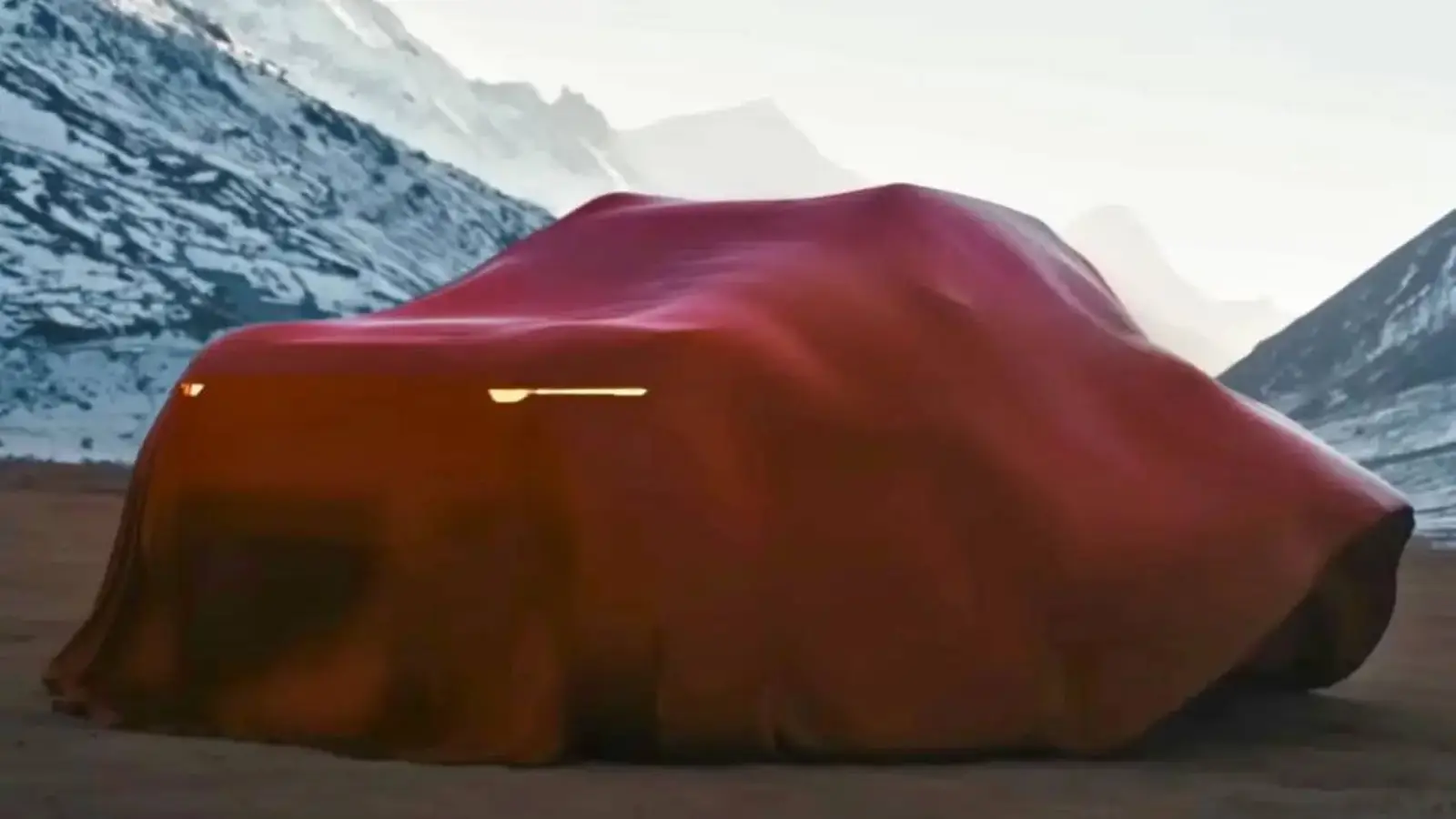
Renault's India strategy shift: new Duster targets growing SUV market
 © media.renault.com
Renault unveils new Duster SUV in India, targeting the affluent middle class with hybrid tech and premium features. Learn about their market pivot and export plans.
Author: Polina Kotikova
Renault is preparing a major relaunch in India, betting on a name that once outsold the brand itself. The new Duster is becoming a key element in this strategic pivot: the company is moving from the mass market segment to target the more affluent and growing middle class, where demand for SUVs is rapidly increasing.
Why Renault is changing its strategy in India
Over the last decade, Renault has lost nearly all the market share it previously gained, with its share dropping from 4% to less than 1%. Meanwhile, India has become one of the world's fastest-growing automotive markets, where demand for SUVs and more premium models is already shaping a market projected to reach 6 million vehicles by 2030.
Under pressure from competition in Europe—primarily from Chinese brands—Renault is seeking new growth opportunities. India is becoming a priority: there is no fierce competition from China here, and the middle class is expanding faster than in any other major economy.
The return of the Duster
On January 26, the company will unveil the new generation Duster, adapted to modern safety standards, emissions regulations, and buyer preferences. For the first time in India, a hybrid powertrain will be introduced.
Following the Duster, two other projects are in the pipeline: a larger SUV in the style of the Dacia Bigster and a fully electric model.
Renault is aiming for annual production of 130,000 to 140,000 Duster units—more than triple the brand's current sales in India. This growth is feasible thanks to the production capacity: the company now has full control over an Indian plant with an annual capacity of 500,000 vehicles.
How Renault plans to establish itself in India
The company is shifting from a 'car for everyone' approach to a clear focus on the middle-class segment. These are buyers looking for modern technology, hybrids, higher levels of finish, and are willing to pay more for the brand.
Beyond updating its lineup, Renault plans to use India as an export hub: components for markets in Latin America and other regions will be produced locally.
This English edition was prepared using AI translation under editorial oversight by SpeedMe. The original reporting is by Polina Kotikova
Latest Stories