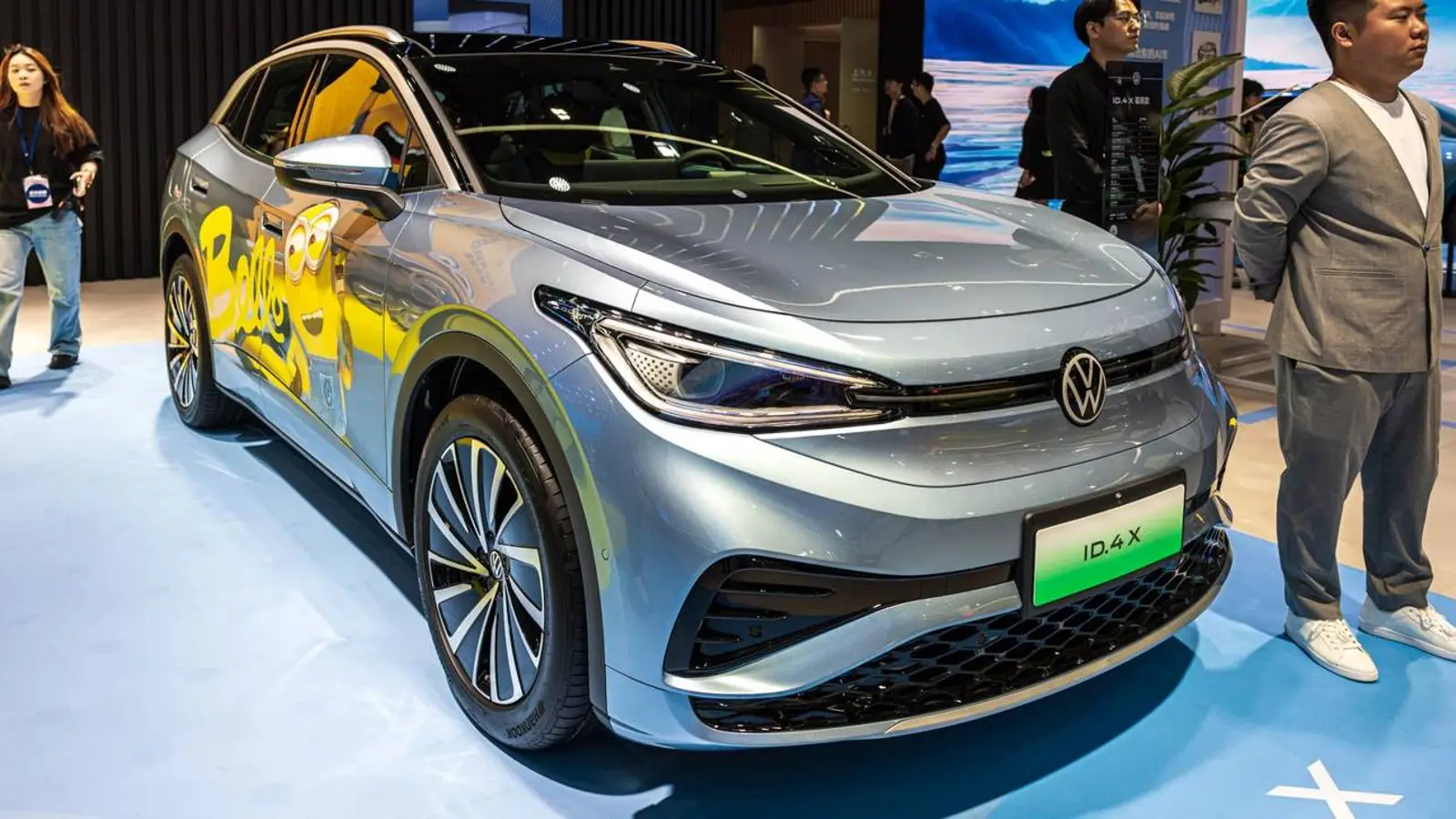
Volkswagen ID.4 renamed to ID.Tiguan with updates and new production
 © B. Naumkin
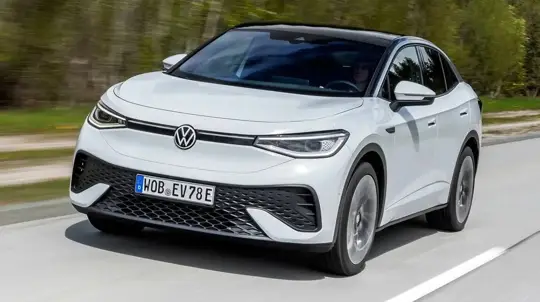
Volkswagen's ID.4 electric crossover is now the ID.Tiguan, with production moving to the Emden plant and updates including the MEB+ platform and new battery.
Author: Nikita Novikov
Volkswagen's IG Metall union has officially confirmed the name change for the electric crossover: the updated ID.4 will launch as the ID.Tiguan. This move reflects a strategy to align electric vehicles more closely with the brand's traditional lineups, aiming to strengthen emotional connections with customers.
ID.Tiguan Production and the Emden Plant's Role
Alongside the facelift, the model is getting a new production home. The Emden plant will manufacture the ID.Tiguan until the end of 2031, taking over all production from the Zwickau site, which previously built the ID.4 and the coupe-style ID.5. For the latter, this marks the end of the line—its production will cease without relocation.
Emden has already been freed up from producing the Passat and Arteon, allowing it to focus on electric models like the ID.7. Consolidating ID.Tiguan production in Lower Saxony is expected to cut costs and streamline logistics.
Why Volkswagen is Renaming Its Electric Cars
Renaming the ID.4 to ID.Tiguan is part of a broader policy. The brand is leveraging familiar names to boost the emotional appeal of its EVs. The first step was the ID.Polo, which replaced the technical designation ID.2. Similarly, an upcoming compact electric crossover will be called ID.Cross instead of ID.2 X.
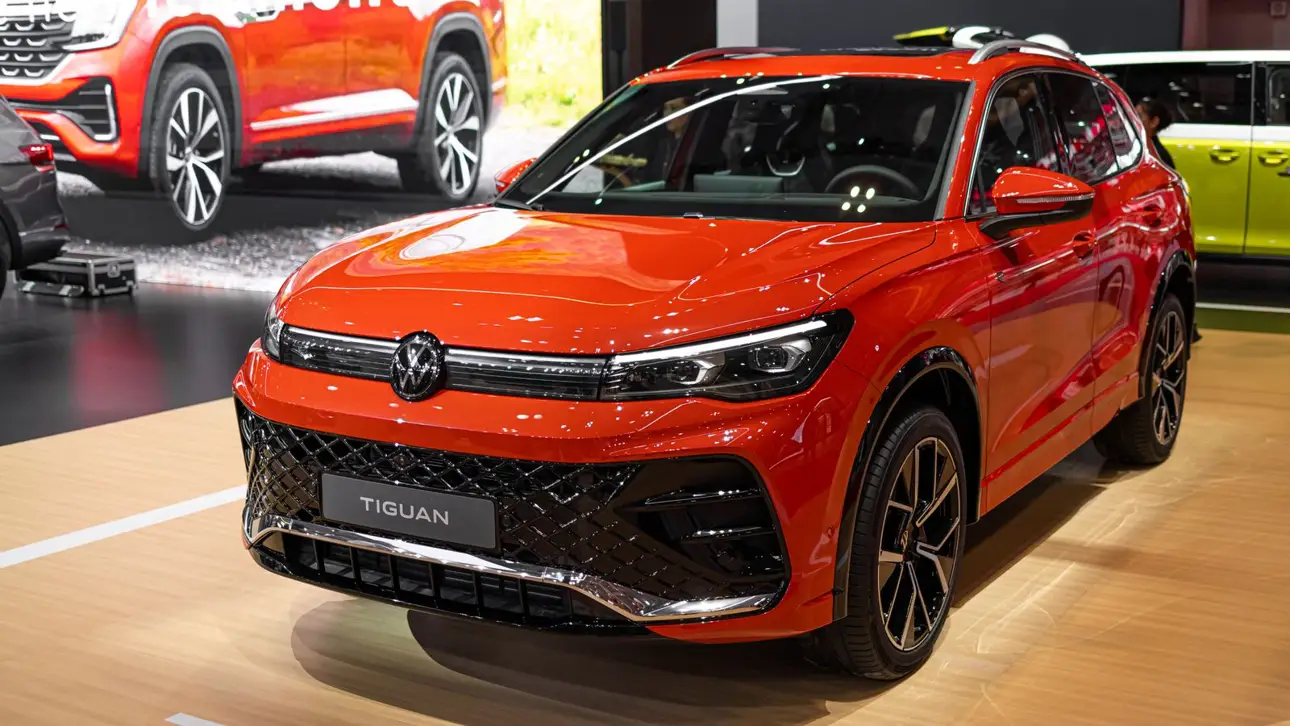
This strategy aims to help customers recognize models more quickly and see them as direct extensions of familiar lineups, rather than as a separate world under the ID badge.
What Updates the ID.Tiguan Will Receive
The changes go beyond just the badge. The facelift will align the electric version's visual style with the current Tiguan while maintaining its distinct character. Switching to the MEB+ platform will bring a new base electric motor and a more affordable LFP battery in the entry-level configuration.
Among the practical improvements is the move away from flush door handles to conventional ones. This decision is designed to enhance ergonomics while also reducing production costs and complexity.
This English edition was prepared using AI translation under editorial oversight by SpeedMe. The original reporting is by Nikita Novikov
Latest Stories