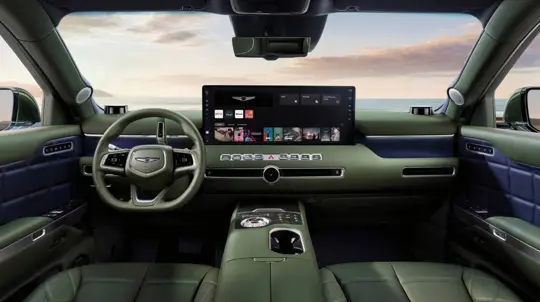
BMW introduces touch strip for safer, more intuitive car controls
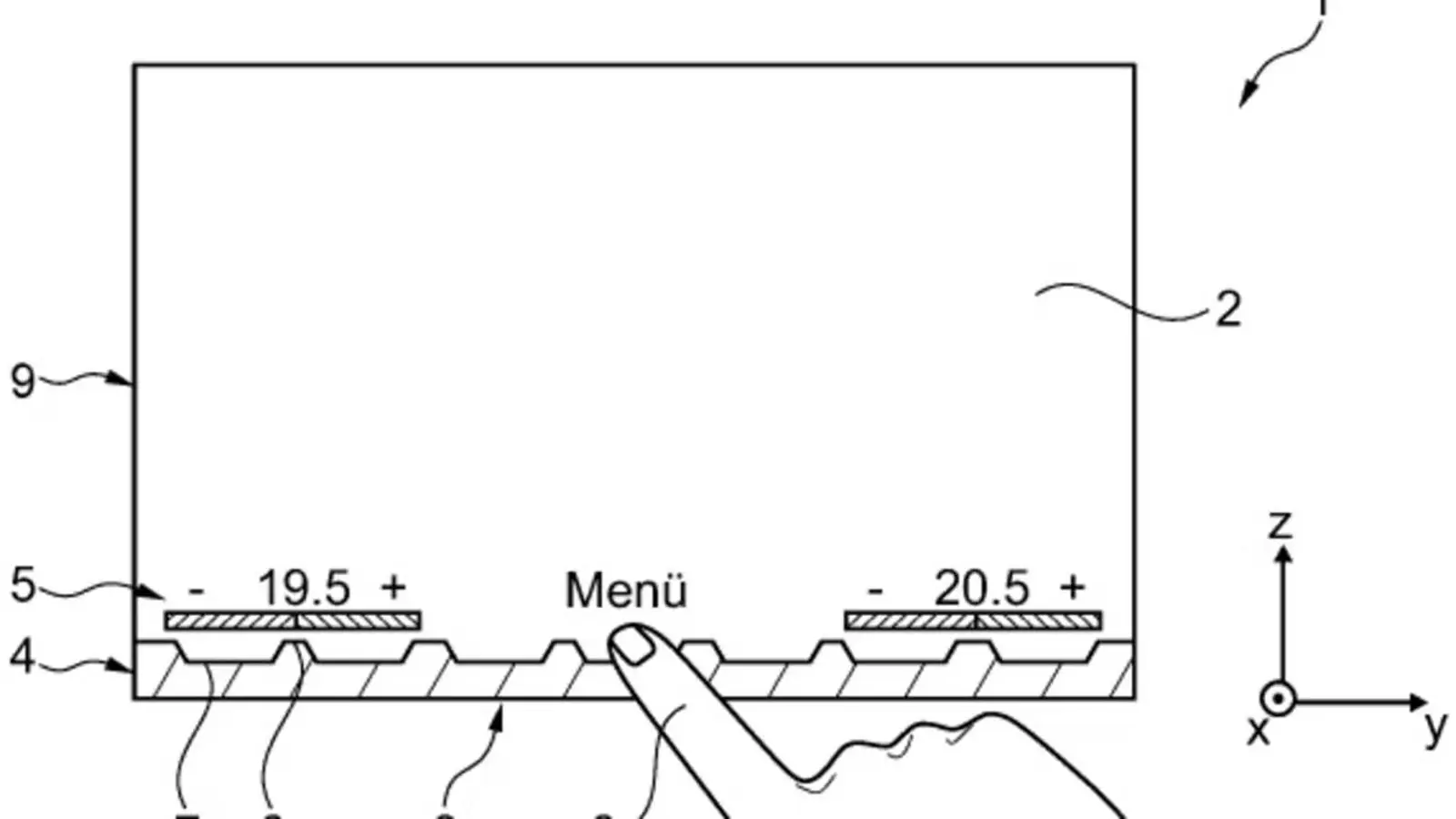 © uspto.gov
BMW has patented a thin touch-sensitive strip to enhance in-car touchscreen accuracy, reduce driver distraction, and add tactile feedback for improved safety.
Author: Polina Kotikova
Large touchscreens have simplified interfaces but haven't necessarily made life easier for drivers. Functions are often buried in menus, and missed taps on icons can distract from the road. BMW has proposed a solution that looks minimalist but significantly changes the user experience.
New Touch Strip
The company has patented a thin sensing strip—a narrow touch-sensitive bar that protrudes just a few millimeters beneath the screen. It works in conjunction with multi-touch to create a unified gesture. An algorithm reads touches at two points simultaneously, improving accuracy and reducing errors.
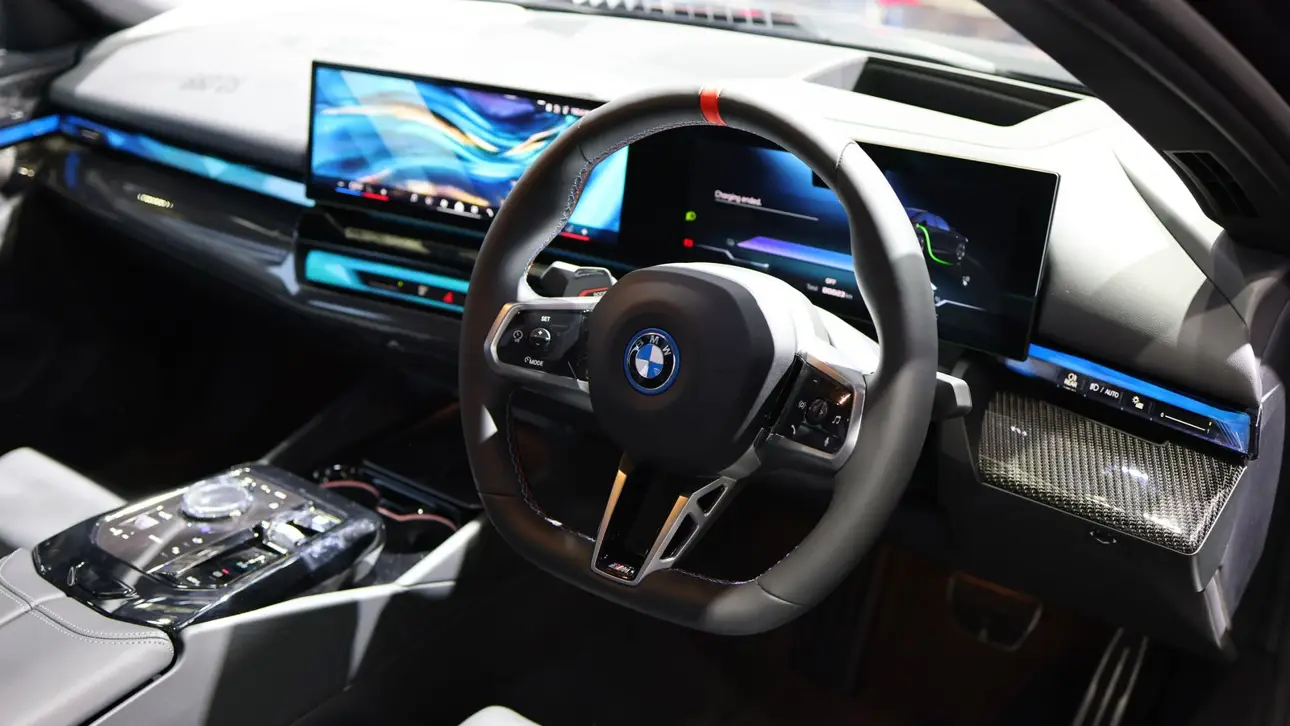
The strip serves as a finger rest, which helps during bumps or on rough roads. It can feature small indentations that align with virtual buttons on the screen, allowing the driver to navigate by touch without taking their eyes off the road.
Tactility Returns
The system supports acoustic, visual, and haptic feedback. BMW emphasizes that aesthetics aren't compromised: the element is small, doesn't clutter the interior, and makes the interface more intuitive.
A trend toward bringing back physical controls is already visible among luxury brands. Genesis retains buttons, and Audi is swapping touch sliders for a physical roller. BMW isn't directly reintroducing buttons but is adding a tactile layer to touch controls.
This English edition was prepared using AI translation under editorial oversight by SpeedMe. The original reporting is by Polina Kotikova
Latest Stories