Why battery costs outweigh old EV values
 © B. Naumkin
Owners of older electric vehicles face high battery replacement costs that exceed car value, making upgrades impractical. Learn about pricing and alternatives.
Author: Diana Degtyareva
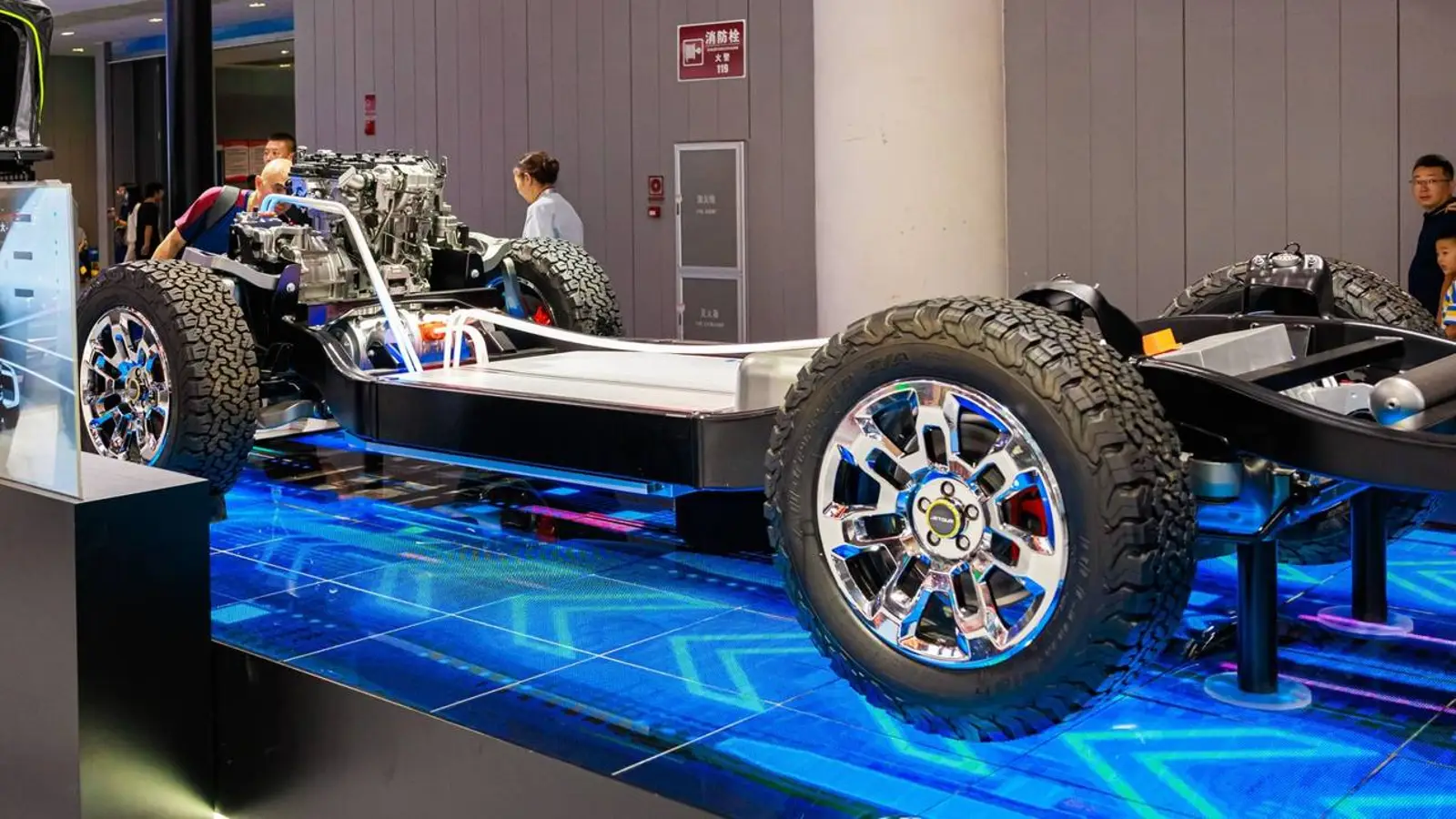
Owners of older electric vehicles are increasingly finding themselves in a situation where the cost of a new battery exceeds the market value of their car. A 2013 case from Wisconsin illustrates just how disproportionate current pricing can be.
Why Battery Costs Outweigh Old EV Values
One owner approached a service center to inquire about replacing the standard 60 kWh battery or upgrading to a more capacious 90 kWh unit. The service quoted $13,830 for the 60 kWh replacement—$13,250 for the battery itself and $580.50 for labor (2.58 hours). The 90 kWh battery proved even more expensive: $18,000 for the battery plus $4,500 to unlock its full capacity. With installation, the total came to $23,262. That's double the value of the older EV, which typically sells for $10,000 to $15,000.
How Owners Are Responding to These Prices
The story, shared on social media, sparked widespread discussion. While some vehicles have covered hundreds of thousands of kilometers on their original batteries, degradation remains inevitable. Third-party suppliers offer an alternative, with batteries that are cheaper but still too costly relative to the car's value, especially for decade-old models. Even if a third-party battery is more affordable, the economic rationale often remains questionable.
Why Battery Replacement Loses Its Appeal
The declining value of older EVs is compounded by rising prices for genuine parts. With battery costs reaching up to $23,000, owners end up paying more than the market price for a comparable vehicle. This makes replacement impractical: it's often simpler to buy another car than to refurbish the current one. The situation creates a paradox: EVs are economical to operate, but their long-term lifecycle is constrained by the high cost of this critical component.
This English edition was prepared using AI translation under editorial oversight by SpeedMe. The original reporting is by Diana Degtyareva
Latest Stories