Mercedes ends GLE 350 de diesel plug-in hybrid production
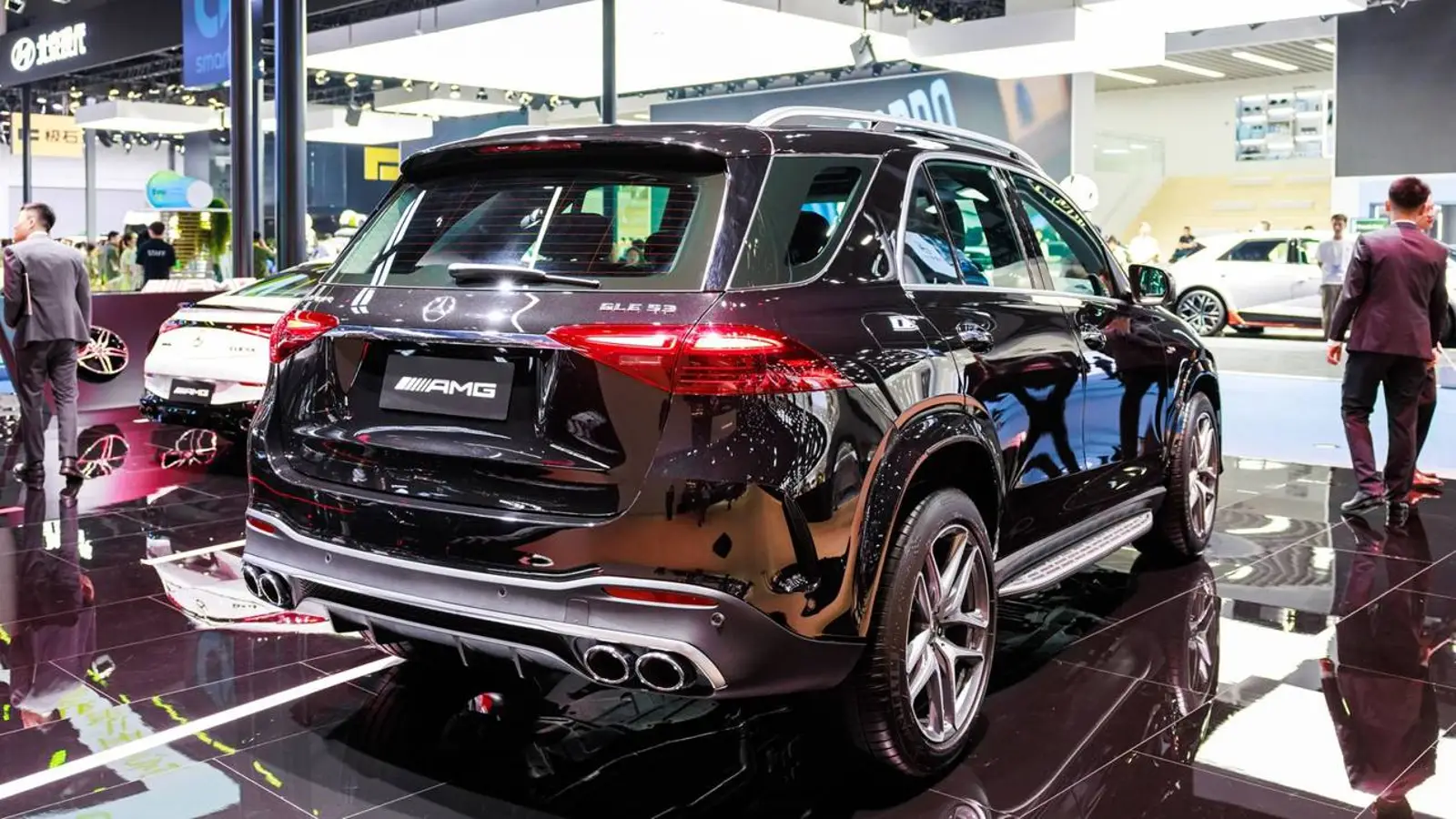 © B. Naumkin
Mercedes stops production of the GLE 350 de diesel PHEV due to costs, complexity, and Euro 7 standards, shifting focus to gasoline hybrids and EVs.
Author: Diana Degtyareva
Mercedes is preparing for extensive updates to its model lineup, and alongside these refreshes, it's reducing the number of powertrain options. Among the casualties is one of the most economical versions of the GLE and GLE Coupe—the diesel plug-in hybrid GLE 350 de. European dealers have already stopped taking orders for this model, with production set to end in August. The model will fade away quietly, though its performance and real-world efficiency were above average for the segment.
Diesel PHEV Discontinued Due to Costs, Complexity, and New Euro 7 Standards
Mercedes' decision is driven not only by the upcoming Euro 7 regulations but also by the rising development costs of diesel hybrids. The combination of a 2.0-liter diesel engine and an electric motor delivered 333 horsepower, high comfort, and a range of over 900 km without refueling. However, increased complexity, expensive updates to meet standards, and a general decline in interest in diesel technology in Europe have made continuing the project impractical. This is why even Peugeot, which started the trend of diesel PHEVs, has previously abandoned their development entirely.
Mercedes' Strategy
The farewell to the diesel PHEV is part of a broader strategic adjustment by Mercedes. The brand is strengthening its lineup of gasoline self-charging hybrids and will retain plug-in hybrids only with gasoline engines. At the same time, the company is increasingly steering customers toward its electric lineup, where distinctive design and technology are deliberately presented as advantages over internal combustion engine models. In practice, this means Mercedes is shaping a new offering policy: those seeking modern styling and features will increasingly need to opt for electric propulsion.
Overall Market Significance
The departure of the diesel GLE 350 de highlights the industry's shift from efficient but costly solutions to simpler schemes that meet regulatory requirements and reduce expenses. For Mercedes, this is another step toward powertrain unification and more aggressive promotion of electric models, reflecting the broader direction of the European automotive sector.
This English edition was prepared using AI translation under editorial oversight by SpeedMe. The original reporting is by Diana Degtyareva
Latest Stories