India reduces EU car import duties in new trade agreement
 © A. Krivonosov
India plans to slash EU car import duties from 110% to 40%, boosting European automakers like Volkswagen and BMW, while protecting local EV makers like Mahindra and Tata.
Author: Daria Kashirina
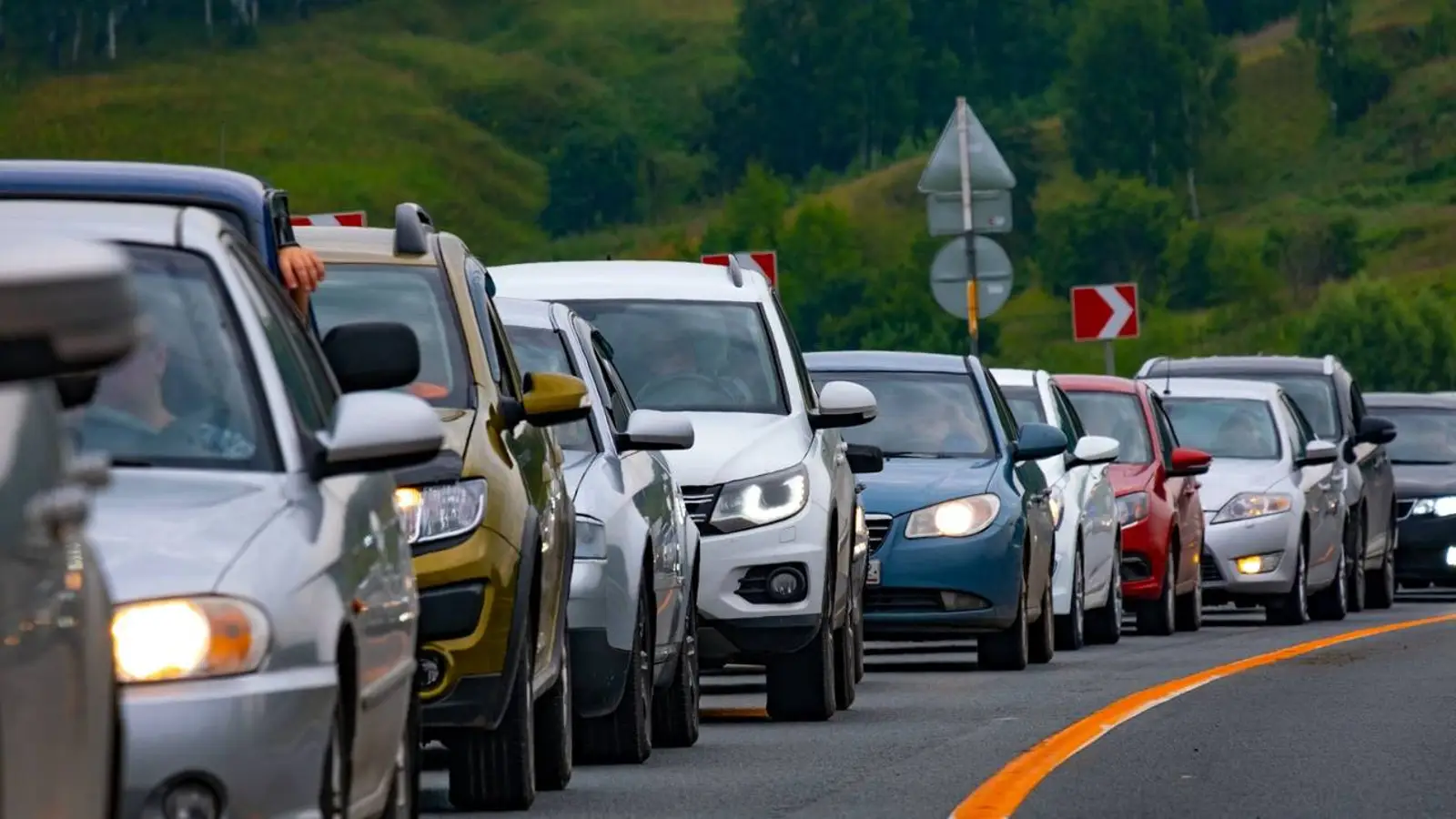
Indian authorities are preparing a major overhaul of customs policy for vehicles imported from European Union countries. According to Reuters, citing sources, as part of an upcoming free trade agreement, the base import duty on European cars could be reduced from 110% to 40% immediately after the document takes effect, which is expected on January 27.
The easing would affect around 200,000 vehicles priced over €15,000 imported from the 27 EU nations. Sources also indicate that the tariff could be further lowered to as little as 10% in the future, effectively opening the Indian market to widespread presence of European automakers.
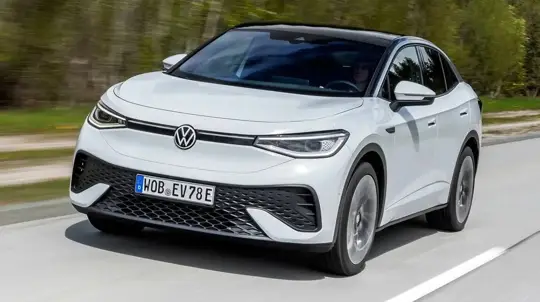
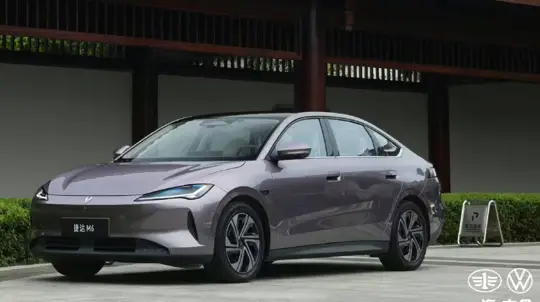
Potential beneficiaries include Volkswagen, Mercedes-Benz, and BMW, whose current market share in India remains minimal. Importantly, the proposed measures do not apply to electric vehicles for at least the first five years. This move is linked to New Delhi's desire to protect investments from domestic companies Mahindra & Mahindra and Tata Motors, which are actively developing their own electric lineups and aim to maintain a competitive edge in the domestic market.
India is currently the world's third-largest automotive market after China and the United States. Annual passenger car sales here reach 4.4 million units, yet European brands hold less than 4% of the market. The majority of sales are controlled by Suzuki Motor, along with local players Mahindra and Tata, which account for about two-thirds of vehicles sold.
Against this backdrop, the duty reduction could be a turning point for the market's structure. If implemented as stated, India could become a key growth market for European auto giants. However, the selective approach to electric vehicles shows the country intends to open up gradually while maintaining tight control over strategic segments of the automotive industry.
This English edition was prepared using AI translation under editorial oversight by SpeedMe. The original reporting is by Daria Kashirina
Latest Stories