Toyota Crown Signia hybrid reaches 240,000 km in 15 months as medical courier
Toyota Crown Signia hybrid hits 240,000 km in 15 months, owner targets 1.5 million km

Toyota Crown Signia hybrid reaches 240,000 km in 15 months as medical courier
A 2025 Toyota Crown Signia hybrid, used as a medical courier, has driven 240,000 km in 15 months with no major issues. Learn how it achieves high mileage with minimal wear and Toyota's durability.
2026-01-28T16:37:29+03:00
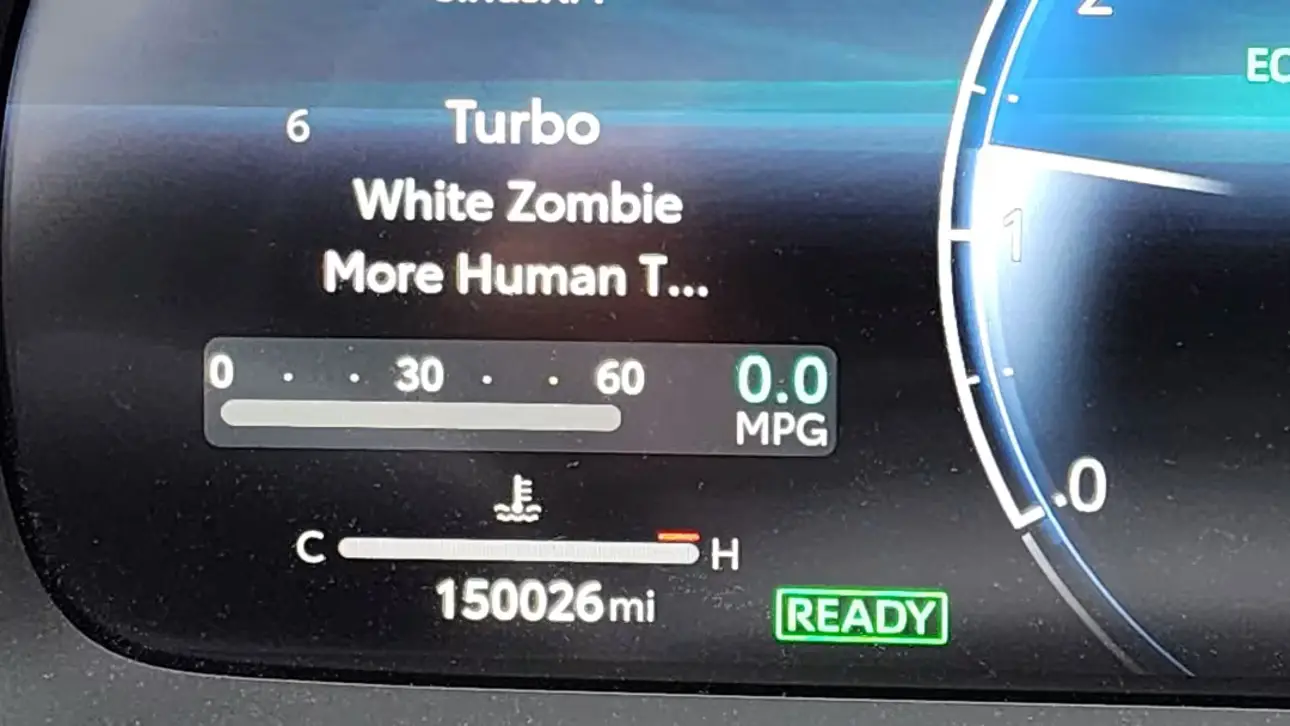
The 2025 Toyota Crown Signia entered the market as a practical hybrid crossover built for long-term reliability. But one owner has transformed this family vehicle into a workhorse. As a medical courier logging daily miles, the crossover has covered 240,000 km in just 15 months, with no major complaints about the engine or hybrid system. The owner aims to reach 1,500,000 km within seven and a half years.How the mileage accumulates with minimal wearThe mileage-obsessed owner drives almost exclusively on highways, where the hybrid system operates in its most efficient mode. With moderate fuel consumption on long trips, the vehicle consistently handles an intensive schedule. All fluids were changed at 160,000 km, and the Crown Signia has already undergone 15 scheduled oil changes.The driver’s only complaints are the small fuel tank capacity and the lack of a spare tire, which is replaced by a repair kit.Why modern Toyotas maintain their durabilityThe Crown Signia’s story reinforces Toyota’s reputation for building vehicles capable of enormous mileage, even in an era of complex electronics. The naturally aspirated 2.5-liter engine in the hybrid setup has long proven itself durable, especially during highway driving.Examples like this aren’t unique. In studies of long-lasting vehicles, the Toyota Sequoia leads the pack, and an early owner of a 2024 Land Cruiser has already surpassed 180,000 km without any interventions. Against this backdrop, issues with the latest V6 engine series remain an exception, linked to a manufacturing defect in part machining rather than a systemic trend.
Toyota Crown Signia, hybrid crossover, high mileage, medical courier, durability, Toyota reliability, 240000 km, long-term reliability, hybrid system, 2025 Crown Signia
2026
Michael Powers
news
Toyota Crown Signia hybrid hits 240,000 km in 15 months, owner targets 1.5 million km
A 2025 Toyota Crown Signia hybrid, used as a medical courier, has driven 240,000 km in 15 months with no major issues. Learn how it achieves high mileage with minimal wear and Toyota's durability.
Michael Powers, Editor
The 2025 Toyota Crown Signia entered the market as a practical hybrid crossover built for long-term reliability. But one owner has transformed this family vehicle into a workhorse. As a medical courier logging daily miles, the crossover has covered 240,000 km in just 15 months, with no major complaints about the engine or hybrid system. The owner aims to reach 1,500,000 km within seven and a half years.
How the mileage accumulates with minimal wear
The mileage-obsessed owner drives almost exclusively on highways, where the hybrid system operates in its most efficient mode. With moderate fuel consumption on long trips, the vehicle consistently handles an intensive schedule. All fluids were changed at 160,000 km, and the Crown Signia has already undergone 15 scheduled oil changes.
The driver’s only complaints are the small fuel tank capacity and the lack of a spare tire, which is replaced by a repair kit.
Why modern Toyotas maintain their durability
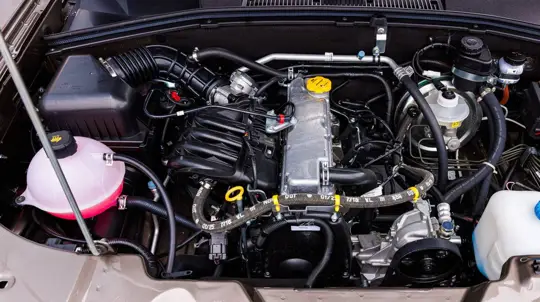
The Crown Signia’s story reinforces Toyota’s reputation for building vehicles capable of enormous mileage, even in an era of complex electronics. The naturally aspirated 2.5-liter engine in the hybrid setup has long proven itself durable, especially during highway driving.
Examples like this aren’t unique. In studies of long-lasting vehicles, the Toyota Sequoia leads the pack, and an early owner of a 2024 Land Cruiser has already surpassed 180,000 km without any interventions. Against this backdrop, issues with the latest V6 engine series remain an exception, linked to a manufacturing defect in part machining rather than a systemic trend.