BMW M5 and XM update for Euro 7 emissions standards
 © A. Krivonosov
BMW's M5 and XM models adjust V8 engines to meet Euro 7 standards, with hybrid systems maintaining performance. Learn about the technical changes and impacts.
Author: Diana Degtyareva
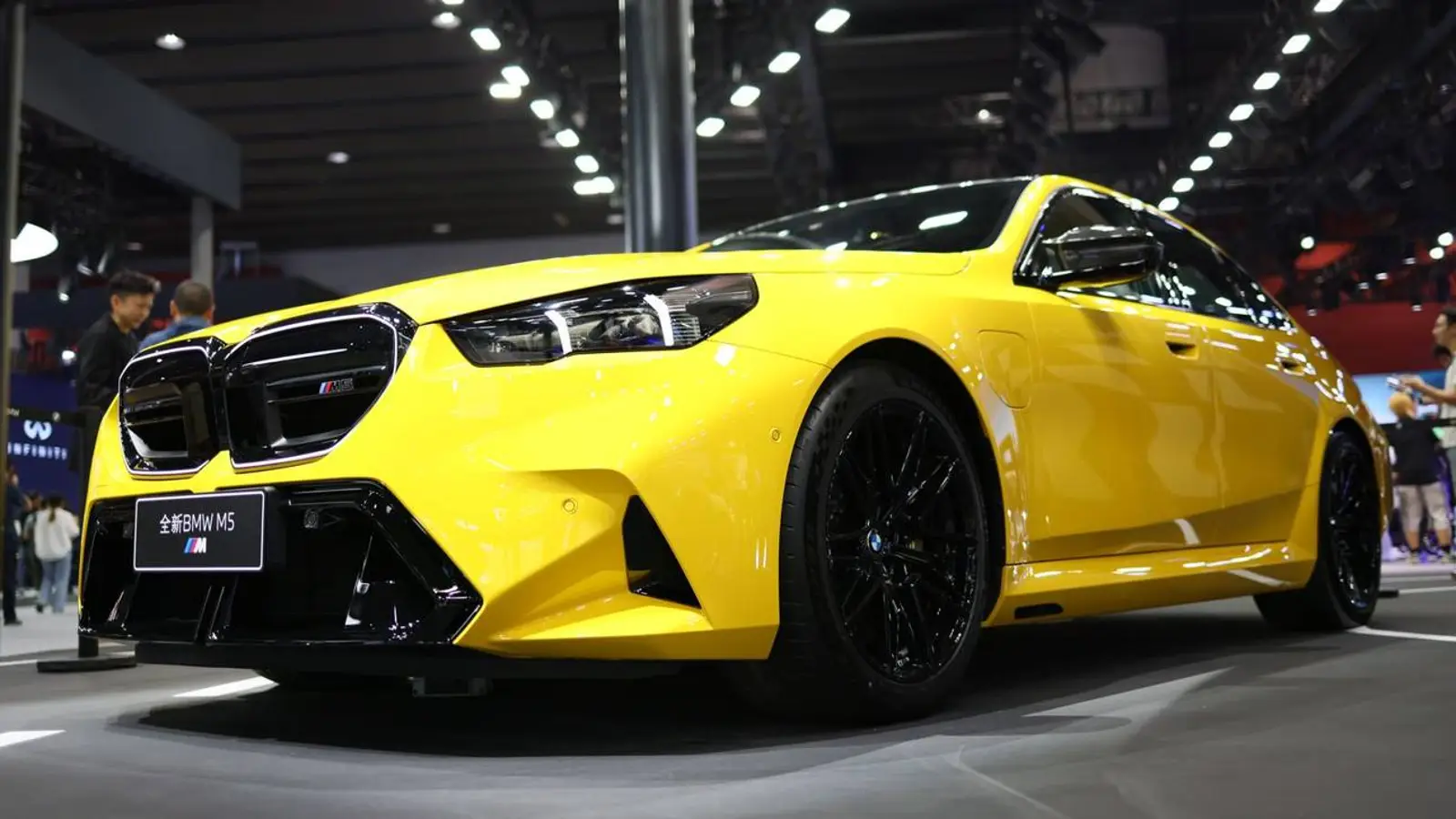
BMW is preparing early for the stricter Euro 7 environmental standards set to take effect in 2027. The new M5 is also affected, with its V8 engine detuned, though the hybrid system's total power remains unchanged. For buyers, this means a change in technical specifications on paper without any impact on performance.
Why the V8 has been weakened
The 4.4-liter twin-turbo V8 S68 in the European M5 now produces 536 horsepower, down from the previous 577. The reason is adaptation to new emissions regulations. To meet the requirements, the engine is switching to the Miller cycle, which improves efficiency and reduces emissions. BMW emphasizes that the hybrid system compensates for the difference through software, maintaining the total output of 717 horsepower.
How M maintains its dynamics
The electric motor in the hybrid drivetrain receives updated software that keeps the combined power at the same level. The instant response of the electric motor makes the internal combustion engine's detuning unnoticeable in real-world driving. It is not specified whether the V8's torque has changed from its previous 750 Nm; the hybrid's total torque remains at 1,000 Nm.
Extending the changes to the XM
Starting in March 2026, the XM Label—BMW's most powerful production car—will undergo a similar update. This model also transitions to the Miller cycle while retaining its total 738 horsepower. The XM 50e variant does not require changes, as its inline-six engine already complies with Euro 7 standards from the outset.
This English edition was prepared using AI translation under editorial oversight by SpeedMe. The original reporting is by Diana Degtyareva
Latest Stories