Volvo XC70's redesigned lighting: intelligent matrix LED system
 © volvocars.com
Explore the Volvo XC70's updated lighting system with Hella's matrix LED technology, offering adaptive beams, glare reduction, and global road adaptation for enhanced safety and style.
Author: Diana Degtyareva
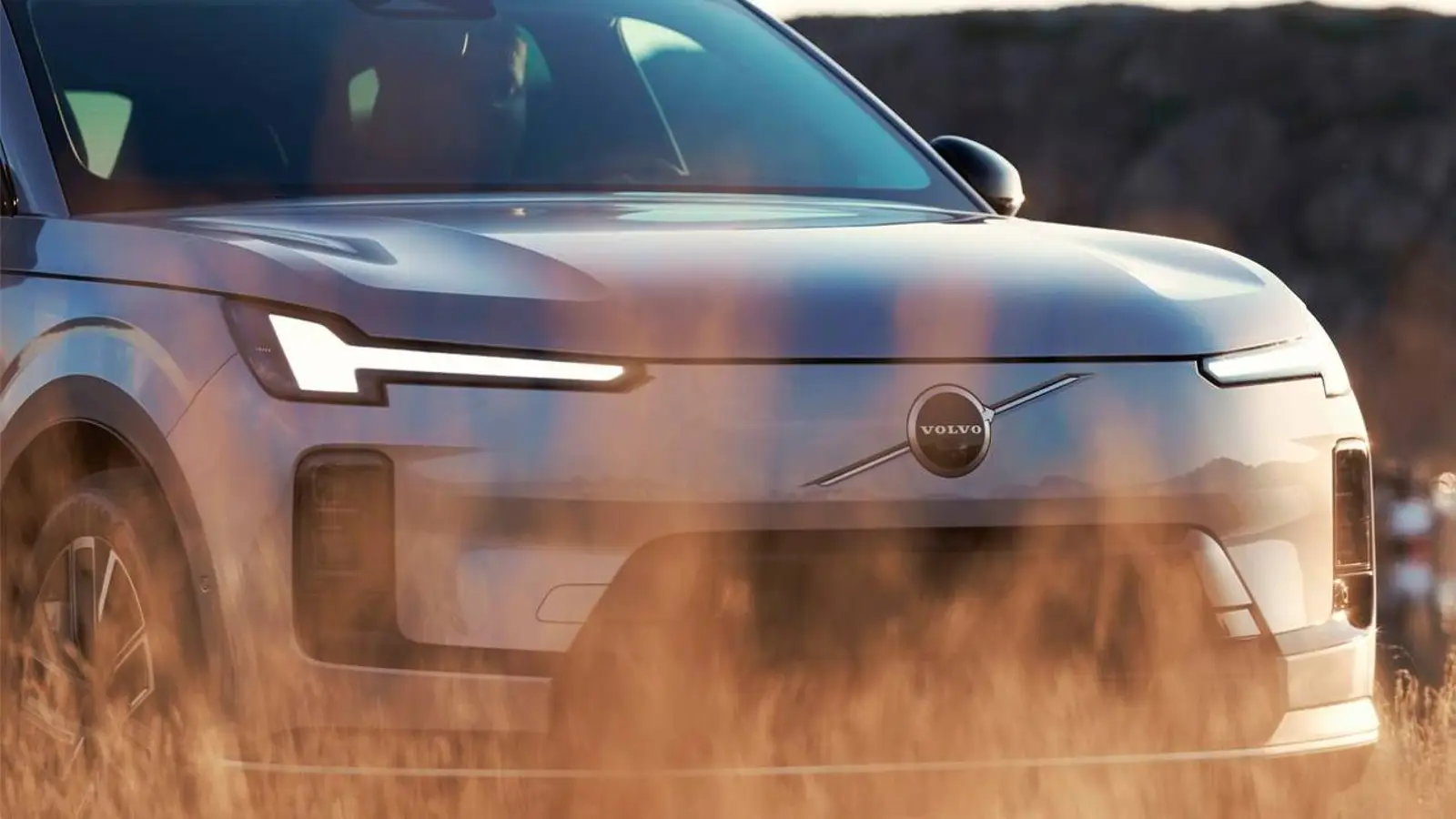
The new Volvo XC70 hasn't just updated its powertrains and interior—its lighting system has been completely redesigned. The signature "Thor's Hammer" design is now more than just a stylistic element: a matrix system from Hella positions the XC70 as a leader in intelligent lighting technology.
How the XC70's New Lighting System Works
The second-generation XC70's headlights use a high-precision matrix LED architecture where each diode is controlled individually. Software analyzes speed, steering angle, traffic, and road surface conditions, automatically adjusting the shape and intensity of the light beam. At high speeds, the beam reaches farther; at lower speeds, it widens to better illuminate the surroundings. In turns, the lighting literally "follows" the trajectory, eliminating dark spots on entry and exit.
A separate algorithm reduces brightness when road reflectors, billboards, or glass surfaces appear—preventing the driver from being dazzled. Front-facing cameras deactivate light segments around oncoming vehicles, maximizing visibility without the risk of glare.
Light color and structure have also become part of the design: when off, the headlights appear "frozen," and when on, they emit a crystal-clear white glow that enhances Volvo's signature style.
Production and Global Adaptation
The headlights are produced by European supplier Hella, known for its high-tech optical systems. The XC70 is assembled in China, and its lighting already meets international standards: it automatically adapts to left-hand and right-hand traffic signals and road markings, allowing the model to be launched in multiple markets without headlight modifications.
Competitors
The smart lighting segment is rapidly evolving, but the XC70's solutions rank among the market's best. Audi and Mercedes offer powerful matrix systems with high pixel density, yet Volvo surpasses them in algorithms for environmental adaptation: recognition of reflective surfaces and dynamic brightness control are still less common. BMW's Laserlight provides outstanding range but is less versatile in urban scenarios. Lexus and Toyota are actively adopting next-generation adaptive lighting, but the XC70 maintains an advantage in beam segmentation precision, especially on winding roads.
This English edition was prepared using AI translation under editorial oversight by SpeedMe. The original reporting is by Diana Degtyareva
Latest Stories