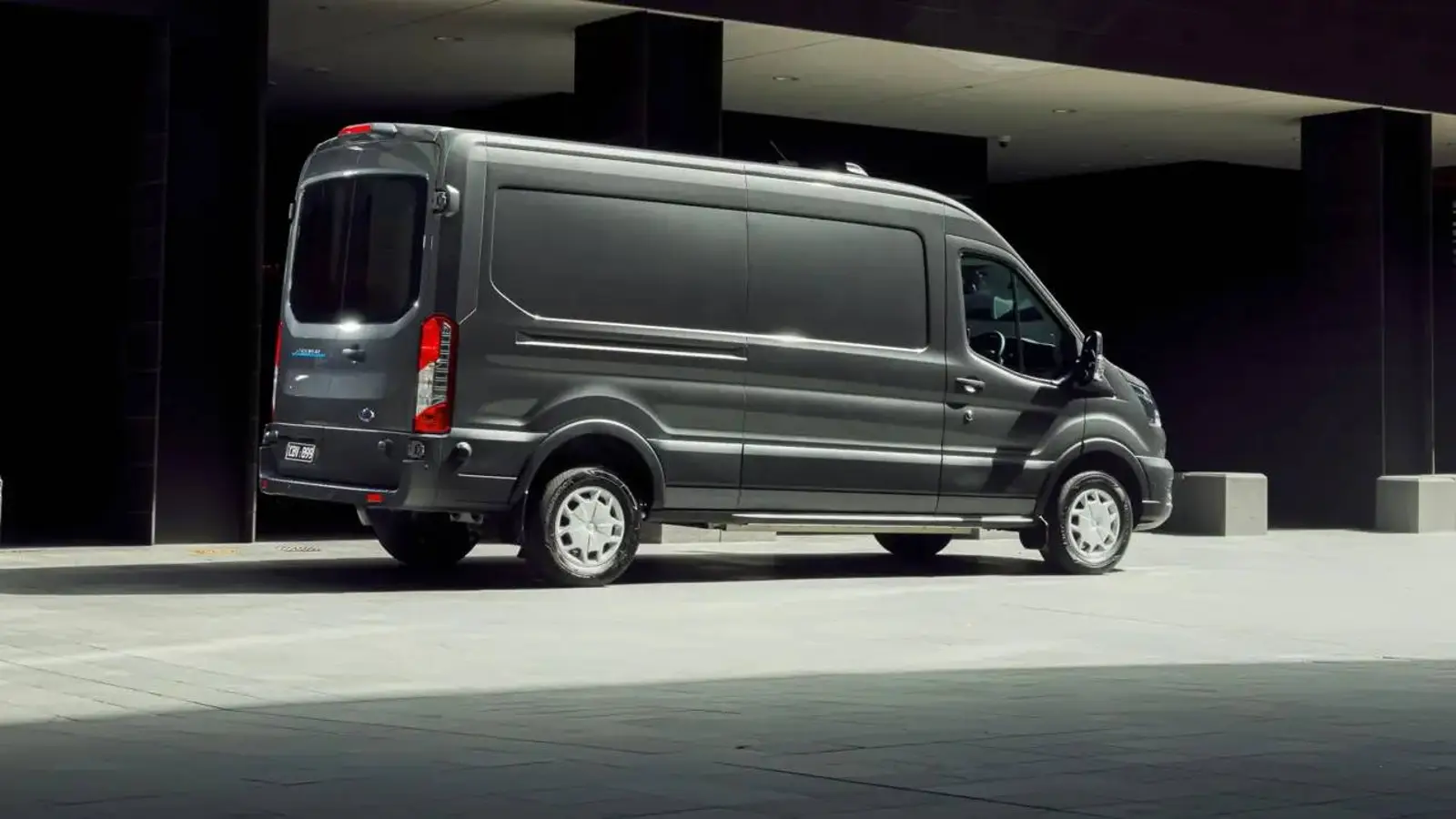
Ford recalls 2026 E-Transit electric vans over battery assembly error
 © fordusacars.com
Ford recalls 98 2026 E-Transit electric vans in the US due to missing battery busbar washers, posing fire and propulsion loss risks. Learn about the fix and safety details.
Author: Dmitry Novikov
Ford Motor Company has announced a recall for a limited batch of 2026 model year E-Transit electric vans in the United States. According to the National Highway Traffic Safety Administration (NHTSA), the campaign affects 98 vehicles manufactured in the fall of 2026.
The recall stems from a potential assembly error in the high-voltage battery. One or more bolts securing the power busbars inside the battery module may have been installed without a conical washer. This can lead to insufficient clamping force, increased electrical resistance, and a risk of electrical arcing.
Ford notes that in a worst-case scenario, the defect could cause battery overheating and fire. Additionally, the heightened resistance at the connection might result in a loss of propulsion while driving, raising the risk of an accident. An early warning sign could be a "Stop Safely Now" message appearing on the dashboard, after which the vehicle can safely come to a stop while maintaining steering and brake function via the 12-volt system.
The root cause was a sorting error by a fastener supplier, which allowed the missing washers to go undetected during production. The issue was identified in November 2025 at the Rawsonville components plant, prompting Ford to halt shipments and launch an internal investigation. As of January 2026, the company has reported no accidents, fires, or warranty claims related to this defect.
As part of the recall, Ford dealers will inspect all high-voltage busbar bolts in the battery free of charge. If a missing washer is found, the fasteners will be replaced with the correct kit. Dealer notifications will begin in early February, with E-Transit owners receiving service invitation letters between February 9 and 13, 2026.
This incident underscores how critical even seemingly minor components remain for electric vehicles, particularly in high-voltage areas.
This English edition was prepared using AI translation under editorial oversight by SpeedMe. The original reporting is by Dmitry Novikov
Latest Stories