Toyota's limp mode for single-motor electric vehicles
 © A. Krivonosov
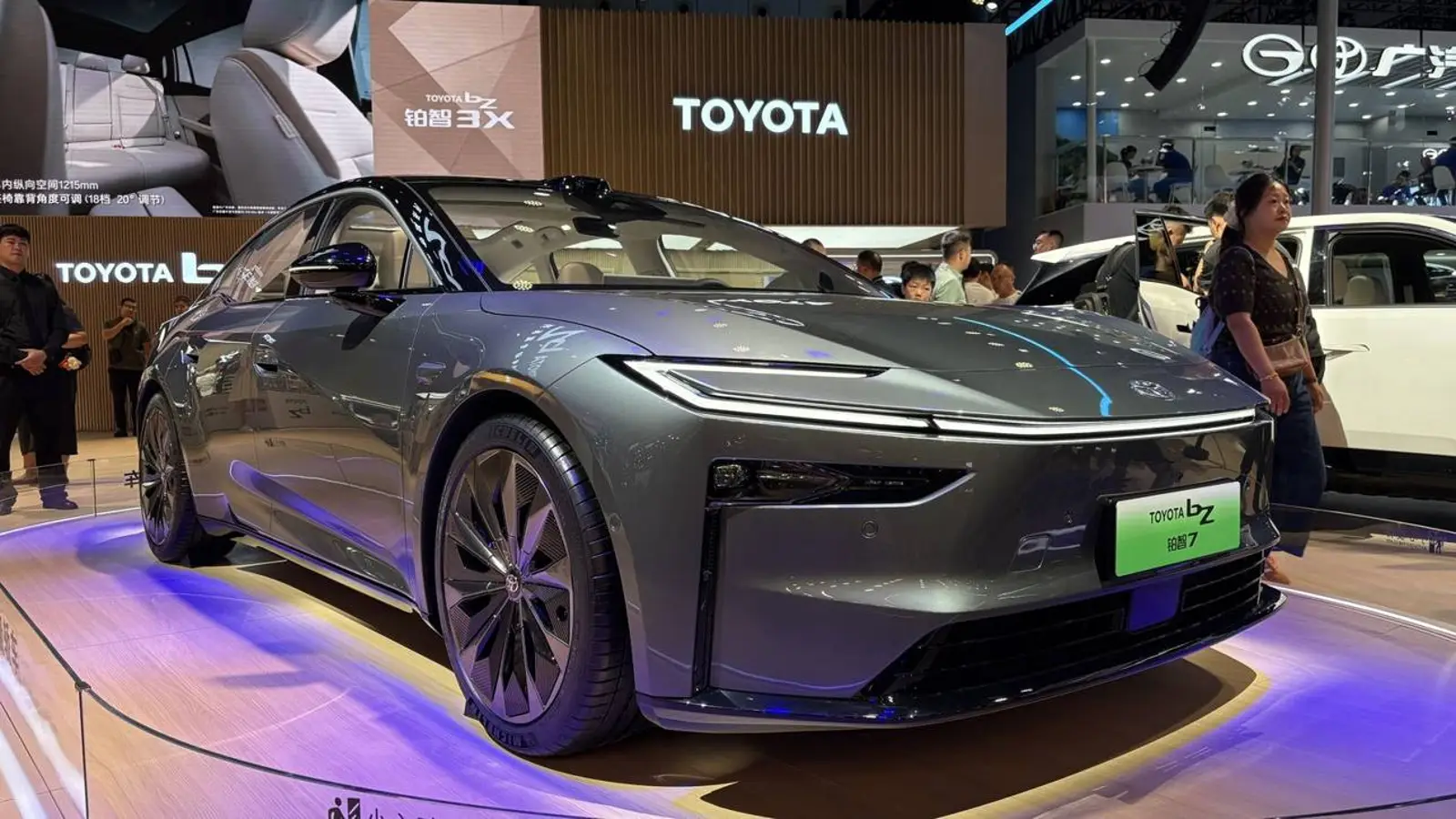
Toyota patents a system to detect faults and maintain propulsion in single-motor EVs, creating a hardware-based limp mode for safer roadside recovery.

Michael Powers, Editor
In conventional electric vehicles, a failure of the electric motor or inverter typically brings the car to a complete halt—unless the model features dual motors, like some Teslas, where the remaining unit can keep things moving. Single-motor EVs don't have that luxury: a failure means you're stopping for good. Toyota is taking a different approach to this problem.
A patent filed with the USPTO outlines a system that detects internal faults—such as short circuits or broken circuits—without fully shutting down the motor. The controller isolates the damaged section of the inverter and reprograms the power delivery algorithm for the remaining phases. Power drops and efficiency suffers, but the electric motor keeps spinning, allowing the vehicle to continue in a safe, reduced-capacity mode.
The idea is to create a hardware-based 'limp mode' for single-motor electric cars. This isn't just a software speed limiter; it's a genuine ability to maintain propulsion despite a partial failure, enabling drivers to reach the roadside or get home rather than waiting for a tow truck.
Unlike Tesla's redundancy through dual motors, Toyota's solution builds fault tolerance into a single unit. If this technology makes it to production vehicles, emergency situations in EVs could be handled differently—not with a sudden stop, but with controlled, continued movement.
This English edition was prepared using AI translation under editorial oversight by SpeedMe. The original reporting is by Денис Денисов
Latest Stories