Tesla's Roadster gets new trademarks, launch still uncertain
 © A. Krivonosov
Tesla has filed two new trademark applications for the second-generation Roadster, the first major update since its 2017 debut. Learn about the delays and ambitious specs.
Author: Diana Degtyareva
| Updated:
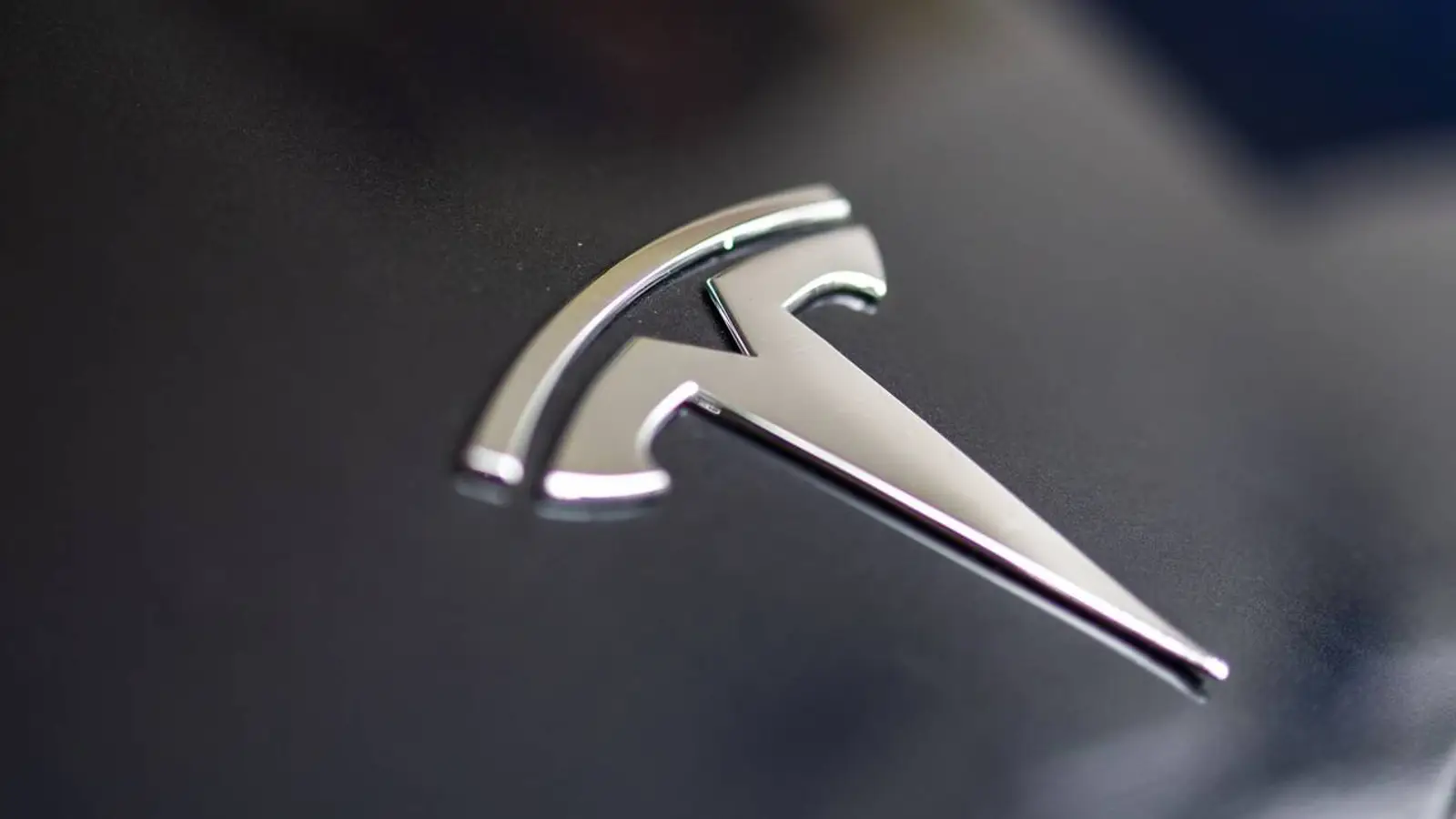
Tesla has taken a rare and cautious step regarding the second-generation Roadster. The company filed two new trademark applications with the United States Patent and Trademark Office, marking the first significant update to the project since its high-profile debut in 2017.
What trademarks Tesla registered
Both applications were discovered in the USPTO database by the publication 32CARS.RU. The first is a graphical mark consisting of three sharp lines that form the silhouette of a two-door electric supercar. This element could be used in brand identity, marketing materials, or as a new visual symbol for the model.
The second application concerns the word "Roadster" written in capital letters with a slanted, futuristic font. This suggests possible preparation for an updated brand style, even if the car itself remains behind the scenes for now.
Why the Roadster still hasn't launched
Since the concept was unveiled in November 2017, Tesla has shared almost no details about the production version of the Roadster. The initially announced specifications seemed revolutionary: a 200 kWh battery, a range of over 1,000 km, acceleration to 96 km/h in 1.9 seconds, and a top speed exceeding 402 km/h.
Given the current level of technology, many of these parameters are now viewed as extremely ambitious or even unrealistic without significant compromises.
What Tesla previously said
Last fall, Tesla's chief designer Franz von Holzhausen stated plans to show the Roadster by the end of 2025 and begin production within two years. However, those deadlines have passed without a public premiere.
This has only reinforced the Roadster's reputation as one of the most protracted and uncertain projects in the modern automotive industry.
This English edition was prepared using AI translation under editorial oversight by SpeedMe. The original reporting is by Diana Degtyareva
Latest Stories