Should American car dealers embrace or reject Chinese imports?
 © A. Krivonosov
Explore the heated debate among U.S. car dealers on Chinese imports, covering tariffs, affordability, and market strategies for growth and competition.
Author: Dmitry Novikov
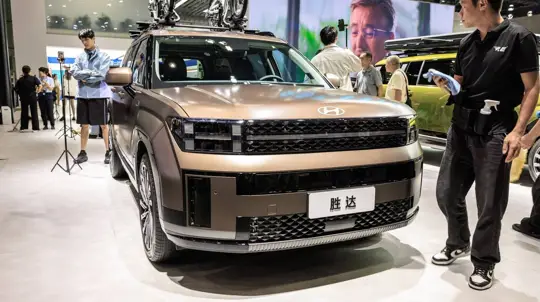
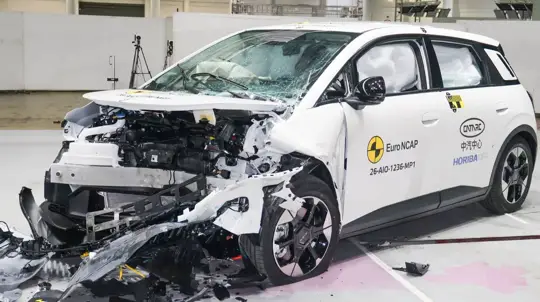
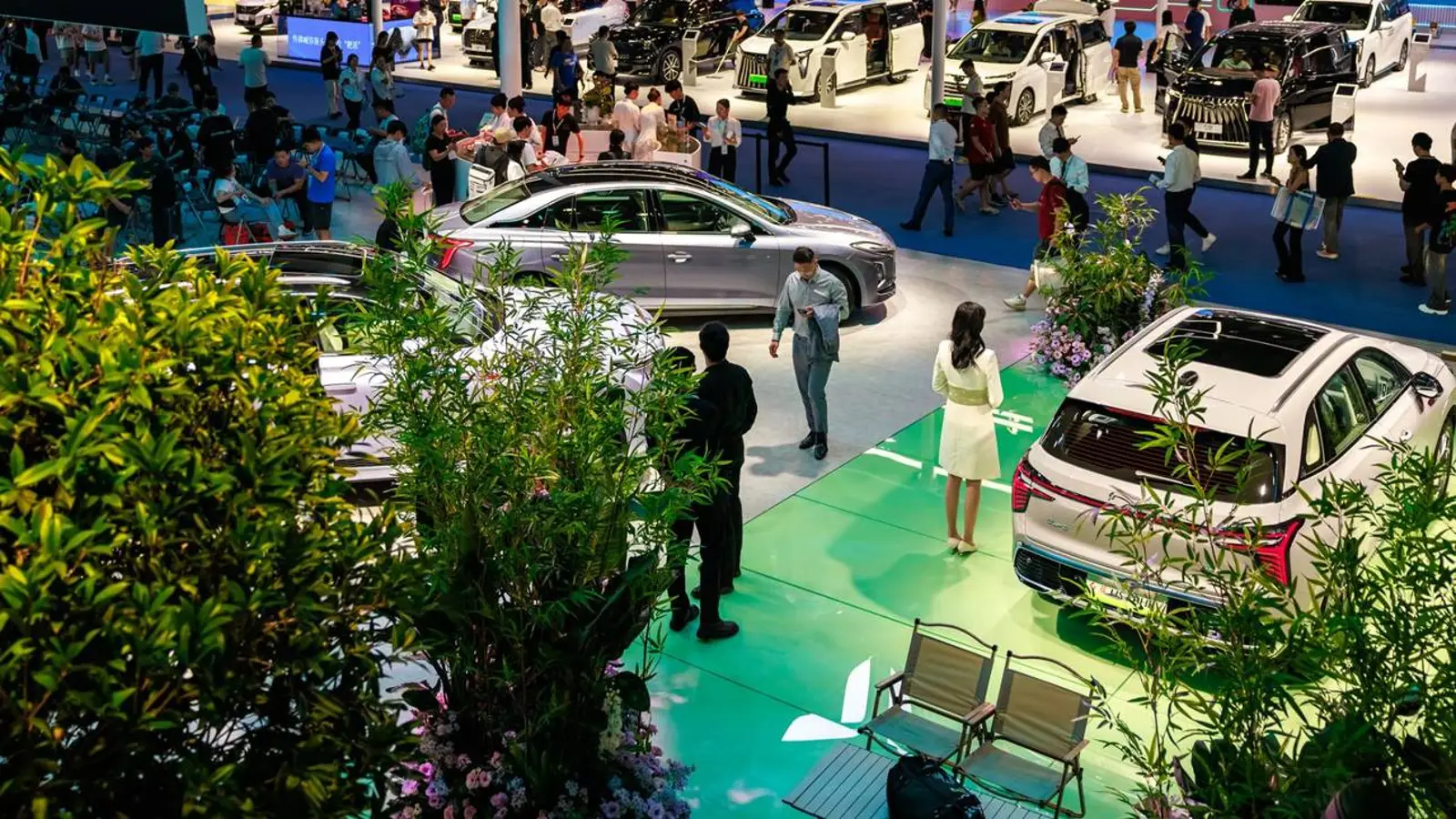
American car dealers find themselves at the center of a heated debate. Rising tariffs, political pressure, and growing competition from China have forced the market to consider a critical question: should they shut their doors to brands from the Middle Kingdom, or instead, take advantage of their attractive pricing and technology?
Why Dealers Are Wary of Chinese Imports
Political rhetoric in the U.S. remains tough, with the administration intensifying efforts to restrict imports. Against this backdrop, dealers fear reputational risks and potential sanctions. However, there's a growing awareness that Chinese cars are increasingly more competitive on price, a crucial factor as the affordability of new vehicles declines.
The Financial Angle
Despite publicly supporting tariff policies, many dealers remain pragmatic. More affordable cars could help revive demand, especially given slowing sales and high credit burdens on buyers. Inexpensive models from China could become a driver of profitability, if regulators allow them into the country.
The Global Context—From Canada to India
The situation is further complicated by external factors. Canada is working to retain automakers by offering incentives in response to American tariffs. India, in contrast, is opening its market to American motorcycles but closing it to electric vehicles, adding pressure to global supply chains. All of this influences dealer strategies in the U.S.
Conclusion
The dealer community is approaching a turning point: the market must balance political directives with commercial interests. Chinese cars could be a source of growth, but their path into the U.S. is hindered by tariffs and geopolitics. Ultimately, dealers' decisions will determine who wins in the battle for customers.
This English edition was prepared using AI translation under editorial oversight by SpeedMe. The original reporting is by Dmitry Novikov
Latest Stories