Xpeng to build megawatt charging network in Europe with up to 1,000 kW stations
 © xpeng.com
Xpeng announces plans to deploy a proprietary charging network in Europe, featuring stations up to 1,000 kW for ultra-fast EV charging. Learn how this supports their vehicles and European expansion.
Author: Nikita Novikov
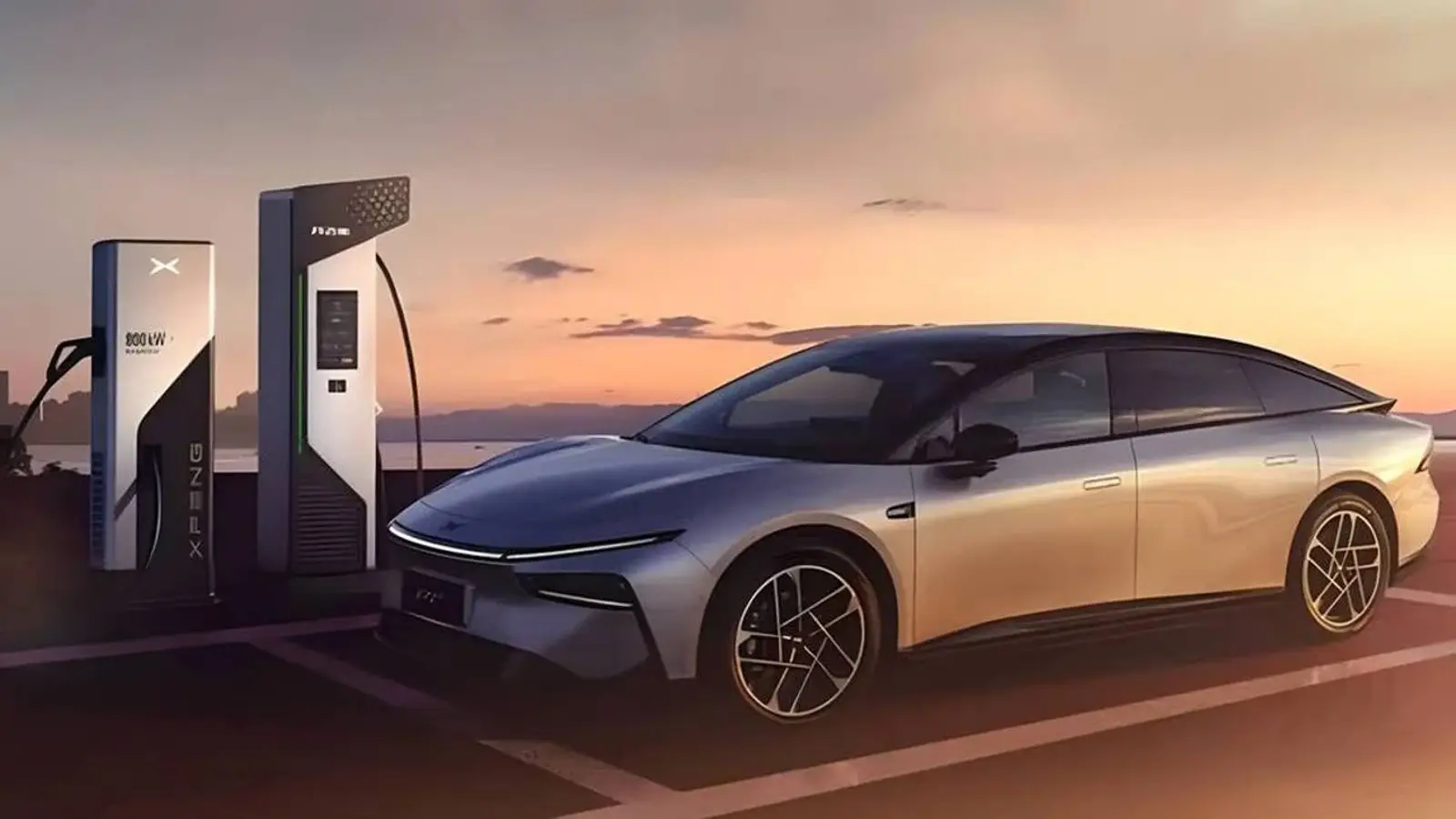
Chinese automaker Xpeng has announced plans to build its own charging network in Europe, with stations capable of delivering up to 1,000 kW. The company, already known for models like the G6 and G9, aims to avoid relying on third-party operators and bring European drivers the same technological environment available in China, where it operates over 3,000 charging stations.
This move is driven by the technical advancements in Xpeng's electric vehicles. Modern models can accept up to 525 kW, charging from 10% to 80% in just 12 minutes. However, corresponding charging points are scarce in Europe, where most stations are limited to 250–350 kW, undermining the cars' real-world advantages.
Now, the manufacturer plans to deploy megawatt-level infrastructure—a step that seems futuristic today. According to European sources, the first stations are already being designed, with some large-scale units capable of charging up to 15 vehicles simultaneously. This represents a shift toward a comprehensive charging ecosystem, rather than isolated fast-charging posts in parking lots.
The stations will feature Xpeng's proprietary architecture, including a dedicated power module, energy storage systems, and the ability to feed power back into the grid. This setup will help smooth load peaks and reduce connection costs, transforming charging hubs into intelligent energy platforms.
Initial rollout is expected in Northern European countries like Norway and Denmark, where electric vehicles have already become mainstream. For Xpeng to gain a foothold in southern markets, including Spain, it will need to extend this infrastructure there as well.
Ultimately, the company aims to control the entire owner experience, from car to plug. While competitors discuss upgrading to 350 kW networks, Xpeng is moving to the megawatt level. Once, 150 kW seemed excessive—today, it's the norm. The next era of charging appears poised to begin with Chinese technology.
This English edition was prepared using AI translation under editorial oversight by SpeedMe. The original reporting is by Nikita Novikov
Latest Stories