Diesel becomes premium choice as electric vehicle market grows
 © A. Krivonosov
A new report shows diesel car buyers now have the highest average income, while EVs become more accessible. Learn about market trends and shifting powertrain preferences.
Author: Daria Kashirina
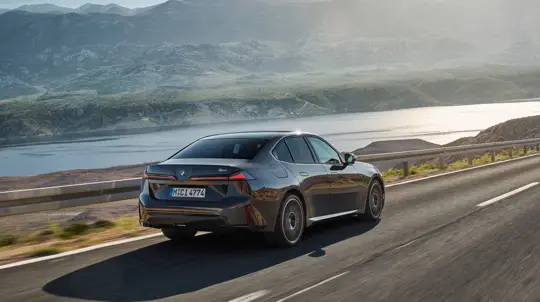
A new report from the German organization DAT reveals an unexpected shift in the market. Diesel, once considered the rational and "people's" choice, is now seeing a change. In 2025, the average monthly income of families purchasing new diesel cars was 5,454 euros—the highest among all powertrain types. For comparison, buyers of new electric vehicles had an average income of 4,856 euros.
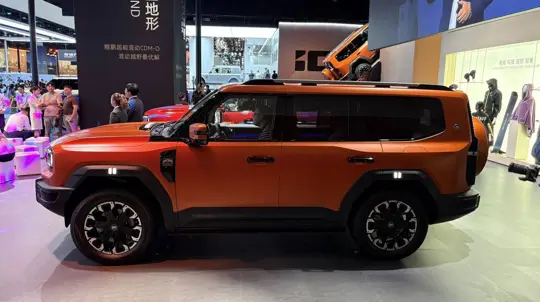
Overall, electric vehicle owners still belong to more affluent categories: their average income is 23% higher than the general average for car owners. However, these differences are gradually narrowing. The expansion of more affordable models and the growth of charging infrastructure are making the switch to electric power less dependent on income level. The reason for diesel's "premiumization" lies in the structure of the market offering.
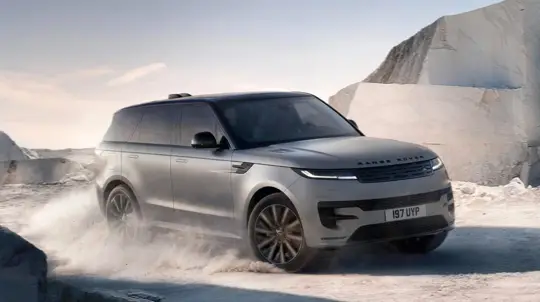
Compact and budget models have nearly vanished from the diesel segment. Today, diesel is predominantly found in large SUVs and mid-range to business-class cars. Consequently, the entry price is significantly higher. Additional pressure comes from the overall rise in car costs.
Over the past 15 years, the average price of a new car has increased by 71%, reaching 44,560 euros. Used cars have become even more expensive, rising by 108% to 18,310 euros. As a result, most buyers are replacing their vehicles out of necessity rather than desire.
Electric vehicles are still more often chosen by owners of private homes, where charging stations can be installed. But as urban infrastructure develops, this factor is gradually losing its critical importance. The market is experiencing an interesting turning point.
If this trend continues, diesel will fully transform into a niche product for expensive models, while the mass market segment will gradually be taken over by petrol hybrids and electric vehicles. The issue of transport accessibility is becoming not just economic, but also social.
This English edition was prepared using AI translation under editorial oversight by SpeedMe. The original reporting is by Daria Kashirina
Latest Stories